
So, how long does artificial lawn last? Generally, high-quality artificial grass can last anywhere from 10 to 20 years or even longer, depending on several key factors. This guide will delve into everything you need to know about the artificial grass lifespan and synthetic turf durability. We’ll explore what influences how long your synthetic lawn will stay looking great, from the materials used to the environment it’s in.
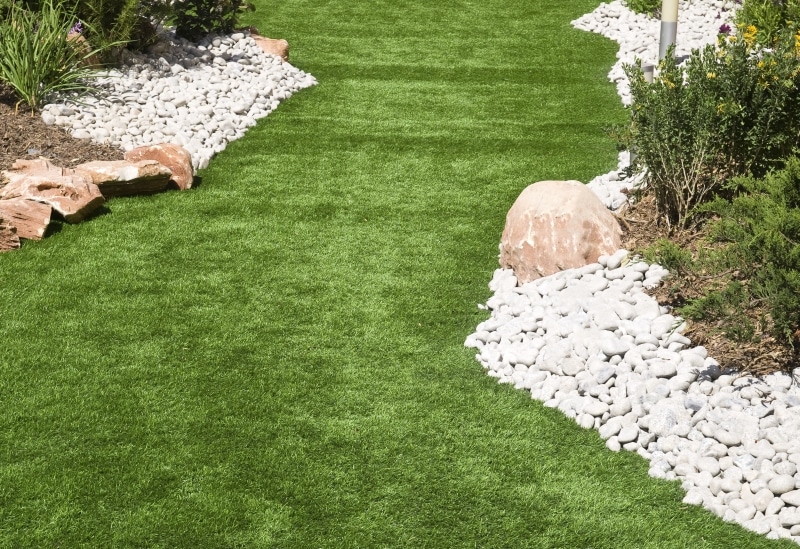
Image Source: www.purchasegreen.com
Deciphering the Longevity of Your Artificial Lawn
When you invest in artificial turf, you’re looking for a long-term solution that reduces maintenance and provides a consistently beautiful outdoor space. But how long does fake grass last? The answer isn’t a simple one-size-fits-all. The lawn longevity is a complex equation influenced by a variety of elements. From the initial quality of the product to how it’s installed and maintained, each stage plays a role in its overall lifespan.
Factors Affecting Artificial Grass Lifespan
Several critical elements contribute to the overall artificial grass lifespan. A deeper look at these will help you make informed decisions and ensure your synthetic lawn serves you well for years to come.
Quality of Materials: The Foundation of Durability
The materials used in manufacturing artificial turf are paramount to its longevity. The type of fibers, the backing material, and the infill all play significant roles.
-
Fiber Type:
- Nylon: Historically known for its resilience and memory, nylon fibers are very strong and can withstand heavy foot traffic. However, they can be prone to fading and becoming stiff over time, especially under intense UV exposure.
- Polyethylene: This is the most common and popular choice for residential artificial lawns. Polyethylene fibers are soft, flexible, and feel more natural. They are also resistant to moisture and chemicals. While not as strong as nylon, modern polyethylene is engineered for excellent durability.
- Polypropylene: Often used for shorter pile heights or as a thatch layer in blended products, polypropylene is less expensive but also less durable than polyethylene. It can become brittle and break down faster under harsh conditions.
-
Yarn Construction: The shape and thickness of the synthetic blades also impact durability. U-shaped or C-shaped blades tend to bounce back better after being flattened. Thicker, higher-quality yarns will naturally last longer than thinner, cheaper ones.
-
Backing System: The backing of the artificial turf is crucial for holding the fibers in place and providing stability.
- Primary Backing: This is where the fibers are woven. Common materials include polypropylene or polyester. A strong, tightly woven primary backing prevents fiber pull-out.
- Secondary Backing (Urethane or Latex): This layer is applied to the primary backing to add strength and flexibility. Urethane is generally considered more durable and resistant to moisture and temperature fluctuations than latex, making it a better choice for longer-lasting turf.
Installation Practices: Setting the Stage for Longevity
Even the highest quality artificial grass can suffer if not installed correctly. Proper installation ensures that the turf lays flat, drains effectively, and is secured against the elements.
- Proper Base Preparation: A well-compacted aggregate base is essential to prevent sinking, shifting, and to ensure good drainage. Without it, water can pool, potentially leading to mold or mildew issues in the backing and weakening the overall structure.
- Secure Edging: The edges of the turf must be secured firmly to prevent unraveling or lifting. This often involves anchoring the turf with stakes or securing it to a solid edging material.
- Correct Infill: The infill material (usually sand, rubber crumb, or specialized polymers) provides support to the blades, helps them stand upright, and aids in drainage. The type and amount of infill can significantly impact the lawn longevity.
Environmental Factors: The Unseen Wear and Tear
The environment in which your artificial lawn is installed plays a significant role in its synthetic turf durability.
-
Climate Effects on Artificial Turf:
- Sunlight (UV Exposure): Intense and prolonged exposure to UV rays can cause synthetic fibers to degrade, fade, and become brittle over time. Higher quality turf will have UV inhibitors built into the fibers, offering better protection.
- Temperature Extremes: Very high temperatures can make some synthetic materials softer and more prone to melting or deforming, especially if dark-colored infill is used. Extreme cold can make certain materials brittle.
- Precipitation: While artificial turf is designed to drain, consistent heavy rainfall in areas with poor sub-base drainage can lead to water saturation, potentially affecting the backing and infill over extended periods.
-
Foot Traffic and Usage: The more the artificial lawn is used, the more wear and tear it will experience. Areas with high foot traffic will naturally show signs of flattening or fiber damage sooner than less-used areas.
Maintenance: Preserving Your Investment
While artificial turf is low-maintenance, it’s not maintenance-free. Regular care can extend its life considerably.
- Regular Cleaning: Removing debris like leaves, twigs, and dirt prevents them from breaking down and staining the turf or hindering drainage.
- Brushing: Periodically brushing the turf against the grain helps to keep the fibers standing upright and prevents matting, especially in high-traffic areas.
- Spot Cleaning: Addressing spills or pet waste promptly prevents staining and odor issues.
Understanding Different Applications and Their Expected Lifespans
The intended use of your artificial turf will also influence its expected lifespan. Different applications demand varying levels of durability and are subjected to different types of stress.
Residential Lawn Replacement Cycle
For a typical homeowner, an artificial lawn is often a long-term solution, aiming to avoid the frequent residential lawn replacement cycle associated with natural grass.
- Backyards and Play Areas: These areas often experience moderate to heavy foot traffic, especially if children or pets use them regularly. With good quality turf and proper installation, you can expect a lifespan of 10-15 years for these high-use areas.
- Decorative Lawns: Areas that are purely aesthetic and experience minimal foot traffic can last significantly longer, potentially 15-20 years or even more, as the fibers are not subjected to constant flattening and abrasion.
Patio Turf Life Expectancy
Patio turf life expectancy can be quite high, as patios are often used for entertaining and are not typically subject to the same level of wear and tear as a full lawn.
- Balconies and Rooftop Patios: These can last 15-20+ years if the material is UV-resistant and the installation allows for proper drainage away from the building structure.
- Ground-Level Patios: Similar to decorative lawns, these can achieve a very long lifespan, often exceeding 20 years, especially with good quality turf and minimal direct foot traffic.
Pet-Friendly Artificial Turf Lifespan
The presence of pets introduces unique considerations for the pet-friendly artificial turf lifespan.
- Durability for Pets: Pets can be hard on lawns. Digging, running, and frequent urination can impact the turf. Look for turf specifically designed for pets, often featuring denser construction and more resilient fibers.
- Odor Control: While not directly related to lifespan, good drainage is crucial for managing pet waste and preventing odors. Ensure the turf has adequate drainage holes and consider antimicrobial infill options.
- Expected Lifespan: With regular cleaning and good drainage, pet-friendly artificial turf can still achieve a good lifespan, typically 8-12 years, though heavy use by energetic pets might reduce this slightly.
Commercial Synthetic Grass Durability
Commercial synthetic grass durability needs to be exceptionally high to withstand the demands of public spaces.
- High-Traffic Areas: Parks, public plazas, sports fields, and event venues experience constant and heavy use. For these applications, commercial-grade synthetic grass is engineered for maximum synthetic turf durability.
- Expected Lifespan: Commercial installations, while often more expensive initially, are built to last. Depending on the intensity of use, they can last anywhere from 5-10 years for extremely heavy-use sports fields to 10-15+ years for less intensely used commercial landscapes. The quality of the fibers, backing, and installation is paramount here.
Assessing the Artificial Grass Lifespan: What to Look For
When you’re considering purchasing artificial turf, or if you’re trying to gauge the remaining life of your existing lawn, there are several indicators to observe.
Signs of Aging and Wear
Over time, even the best artificial turf will show signs of aging and garden grass wear and tear. Recognizing these early can help you plan for potential replacement or targeted maintenance.
- Fiber Flattening/Matting: If the blades are consistently lying flat and not springing back, it’s a sign of wear, especially in high-traffic areas. This can be exacerbated by inadequate infill.
- Fading: While modern turf has UV protection, some fading is inevitable over many years, particularly in very sunny climates. The green might become less vibrant.
- Fiber Breakage: Thinner or lower-quality fibers may start to break or fray, especially at the tips, giving the lawn a worn appearance.
- Weeds or Moss: If weeds are starting to grow through the backing or moss is accumulating, it could indicate poor drainage or wear in the infill layer, potentially compromising the turf’s integrity.
- Unevenness or Sagging: This is often a sign of inadequate base preparation or settling over time, which can lead to water pooling and further damage.
Longevity Charts and Manufacturer Warranties
Many reputable manufacturers offer warranties on their artificial turf products, which can be a good indicator of their expected lifespan.
- Warranty Periods: Warranties typically range from 8 to 15 years, covering defects in materials and manufacturing. It’s important to read the fine print, as warranties often have conditions regarding installation and maintenance.
- Manufacturer Data: Leading manufacturers often provide data and testimonials on the longevity of their specific products under various conditions. This can be a valuable resource when comparing options.
Extending the Life of Your Artificial Lawn
While the lifespan of artificial turf is influenced by many factors beyond your control, there are proactive steps you can take to maximize its longevity.
Essential Maintenance Practices
- Rinse Regularly: Especially in areas with airborne pollutants or if you have pets, rinsing the turf with water can help wash away dirt, dust, and any pet waste residues.
- Sweep or Brush Periodically: Use a stiff-bristled brush (not a metal one) or a leaf blower to remove leaves, debris, and to help keep the fibers standing upright. Brushing against the grain is particularly effective for reviving flattened areas.
- Address Spills Immediately: For any spills, especially sticky or colored liquids, blot them up as soon as possible and rinse the area.
- Manage Weeds: Be vigilant about any weeds that try to sprout. Pull them out by hand as soon as you see them. If they become persistent, consider a weed killer safe for synthetic turf.
- Infill Top-Up: Over time, especially in high-traffic areas, the infill can get displaced. Periodically topping up the infill helps maintain the turf’s structure and appearance.
Protecting Against Damage
- Avoid Sharp Objects: Be mindful of sharp objects like furniture legs, garden tools, or stray nails that could cut or tear the turf.
- Pet Considerations: While pet-friendly turf is robust, very large or particularly destructive dogs might benefit from designated play areas or training to curb digging habits. Ensure prompt cleaning of pet waste.
- Temperature Management: In extremely hot climates, consider lighter colored infill materials if you are installing new turf, as dark colors can absorb more heat. Some manufacturers offer cooling infills.
- Snow and Ice: While artificial turf can handle snow, heavy ice buildup can be problematic. If possible, try to clear heavy ice accumulation carefully to prevent damage to the fibers.
Frequently Asked Questions About Artificial Lawn Lifespan
Here are some common questions homeowners and businesses have about the longevity of artificial grass.
Q1: What is the average lifespan of artificial grass?
A1: The average lifespan of good quality artificial grass is typically between 10 and 20 years, with some high-end products lasting even longer under optimal conditions.
Q2: Can artificial grass fade over time?
A2: Yes, artificial grass can fade over time due to prolonged exposure to UV rays. However, high-quality turf products are manufactured with UV inhibitors to significantly slow down this process, making them more resistant to fading.
Q3: How does climate affect artificial turf’s durability?
A3: Climate plays a significant role. Intense sunlight can degrade fibers, extreme heat can soften some materials, and freeze-thaw cycles can potentially affect backing and infill. However, modern synthetic turf is engineered to withstand a wide range of climates with proper installation and material selection.
Q4: Does heavy foot traffic reduce the lifespan of artificial grass?
A4: Yes, heavy and constant foot traffic can lead to fiber flattening and wear and tear, potentially reducing the perceived lifespan and aesthetic appeal of the artificial grass. Regular brushing can help mitigate this by restoring the fibers’ upright position.
Q5: What is the difference in lifespan between residential and commercial artificial grass?
A5: Commercial artificial grass is typically designed for much higher durability and resilience due to heavier usage. While residential lawns might last 15-20 years, commercial installations in very high-traffic areas may have a lifespan of 5-10 years, though they are engineered for superior resilience.
Q6: How can I extend the life of my artificial lawn?
A6: To extend the life of your artificial lawn, ensure regular cleaning, brush the fibers periodically to prevent matting, address spills immediately, manage weeds, and ensure proper drainage. Protecting it from sharp objects and extreme conditions also helps.
Q7: Does having pets shorten the lifespan of artificial turf?
A7: Pets can contribute to wear and tear, especially if they dig or urinate frequently on the same spot. However, with proper cleaning and the use of pet-friendly turf products with good drainage, the lifespan can still be substantial, typically around 8-12 years, with prompt maintenance being key.
Q8: What does a manufacturer’s warranty on artificial turf typically cover?
A8: Manufacturer warranties usually cover defects in materials and manufacturing, such as excessive fading or fiber breakdown. They often have specific requirements for installation and maintenance, so it’s important to read the warranty details carefully.
By considering these factors and implementing proper care, you can ensure your artificial lawn remains a beautiful and functional asset for many years to come, far outlasting the cycle of traditional lawn care.