
If your lawn mower won’t start, it’s usually due to common issues like fuel issues, spark plug problems, a battery dead state, a carburetor clogged with debris, engine oil low levels, an ignition system fault, an air filter dirty with grass clippings, starter motor issues, a blade obstruction, or a fuel line blockage. These are the most frequent culprits, and fortunately, many can be resolved with simple DIY steps.
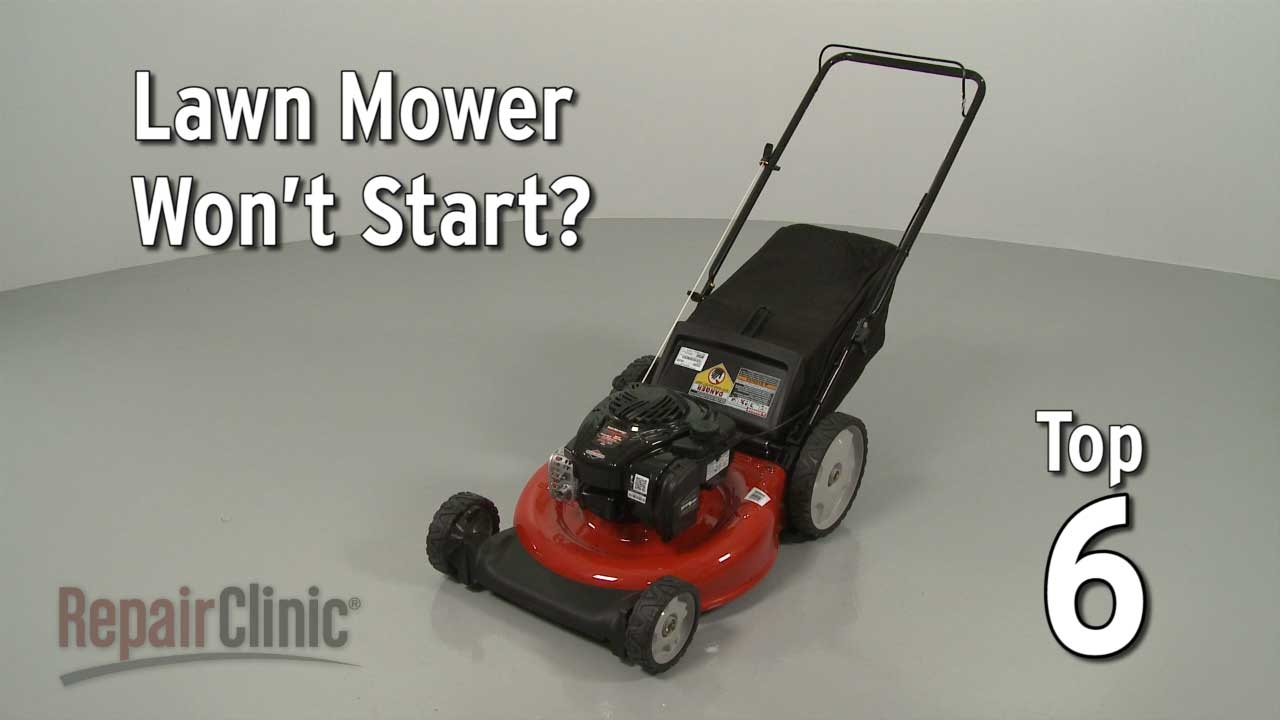
Image Source: i.ytimg.com
Getting Your Mower Back in Action: Troubleshooting Common Starting Problems
There’s nothing more frustrating than reaching for your lawn mower on a sunny day, ready to tackle a growing lawn, only to find it stubbornly refusing to start. This is a common problem, and it’s usually not a sign of a major, expensive repair. Most of the time, your mower is telling you it needs a little attention to one of its core components. This guide will walk you through the most likely reasons your mower won’t fire up and how you can fix them yourself.
Fuel: The Lifeblood of Your Engine
A lawn mower engine needs a steady supply of clean fuel to run. If it’s not getting it, it won’t start. This is where most starting problems begin.
Fuel Issues: The First Place to Look
When your mower won’t start, the very first thing to check is the fuel. It sounds basic, but it’s amazing how often this is the culprit.
- Is there enough gas? This is the most obvious question. Many people forget to refuel, especially after a long winter or a busy season. Always check your fuel tank.
- Is the fuel fresh? Gasoline doesn’t last forever. Ethanol in modern gasoline can attract moisture and break down over time, especially if left in the tank over winter. Old fuel can gum up your fuel system. If the gas in your tank has been there for more than a month or two, it’s a good idea to drain it and refill with fresh gasoline.
- Is the fuel valve open? Some mowers have a fuel shut-off valve. Make sure it’s in the “on” position. If it’s closed, no fuel will reach the engine.
Fuel Line Blockage: A Hidden Obstacle
If you have fuel in the tank and the valve is open, but the engine still isn’t getting it, a fuel line blockage could be the problem. The fuel line is the small tube that carries gas from the tank to the carburetor. Over time, debris or gummed-up fuel can cause a blockage.
Steps to check for a fuel line blockage:
- Locate the fuel line: It usually runs from the fuel tank to the carburetor.
- Disconnect the fuel line: Carefully disconnect it from the carburetor. Place a small container underneath to catch any dripping fuel.
- Check for fuel flow: You might need to gently squeeze the fuel line or, if your mower has a primer bulb, press it. If fuel doesn’t come out, or only trickles out, you have a blockage.
- Clean or replace the fuel line: You can try to blow compressed air through the line (from the tank side, if possible) to clear it. If it’s heavily clogged or damaged, replacing the fuel line is the best solution.
The Spark: Igniting the Engine
Once fuel is reaching the engine, you need a spark to ignite it. This is where the spark plug and ignition system come into play.
Spark Plug Problems: The Tiny But Mighty Component
The spark plug is a crucial part of the ignition system. It creates the spark that ignites the fuel-air mixture.
- Is the spark plug fouled? Over time, spark plugs can get dirty with carbon deposits, oil, or fuel. This prevents a strong spark.
- Is the spark plug damaged? The electrode on the spark plug can wear down or become damaged, affecting its ability to spark.
- Is the spark plug gap correct? The gap between the electrodes is critical for a proper spark.
How to check and clean a spark plug:
- Remove the spark plug: Use a spark plug socket wrench. Be gentle, as they can be fragile.
- Inspect the spark plug: Look for black, sooty deposits, oil, or a worn-down electrode.
- Clean the spark plug: You can use a wire brush or sandpaper to gently clean off deposits. For stubborn grime, a spark plug cleaner solution can be effective. Ensure it’s completely dry before reinstallation.
- Check the gap: Use a gap gauge to ensure the space between the electrodes is set to the manufacturer’s recommended specification (usually found in your mower’s manual).
- Replace if necessary: If the spark plug is heavily fouled, damaged, or very old, it’s best to replace it with a new one. They are inexpensive and a common cause of starting issues.
Ignition System Fault: The Electrical Pathway
The ignition system is responsible for delivering the spark to the spark plug at the right time. A fault here can prevent your mower from starting. This can be more complex to diagnose than a simple spark plug issue.
- Ignition Coil: This component boosts the battery voltage to create a high-voltage spark. If the coil is faulty, no spark will be generated.
- Ignition Module/Points: Older mowers may have ignition points and a condenser. These can wear out or become misaligned, affecting spark timing. Modern mowers use electronic ignition modules which are less prone to wear but can still fail.
- Wiring: Damaged or loose wires in the ignition system can interrupt the electrical flow.
Diagnosing ignition system faults typically requires a spark tester to confirm if a spark is being produced. If you suspect an ignition system fault beyond the spark plug, it might be time to consult your mower’s manual or a professional.
Airflow: The Engine’s Breath
An engine also needs air to mix with fuel for combustion. If it can’t get enough clean air, it won’t run.
Air Filter Dirty: Choking the Engine
The air filter prevents dirt, dust, and debris from entering your engine. An air filter dirty with grass clippings and dust will restrict airflow, making it difficult for the engine to start or run smoothly.
How to check and clean an air filter:
- Locate the air filter: It’s usually housed in a black plastic cover on the side of the engine.
- Remove the air filter: Open the cover and carefully take out the filter.
- Inspect the filter: Hold it up to a light. If you can’t see light through it, or if it’s heavily clogged with dirt and grass, it needs attention.
- Clean or replace:
- Paper filters: Gently tap the filter on a hard surface to dislodge loose debris. You can also use compressed air to blow out the dirt from the inside out. Do not wash paper filters with water. If it’s very dirty, it’s best to replace it.
- Foam filters: These can often be washed with mild soap and water. Rinse thoroughly and allow to dry completely before reinstalling. You may need to lightly re-oil a foam filter with a specific foam filter oil (check your manual).
- Reinstall: Once clean and dry, put the air filter back in its housing and secure the cover.
Oil: The Engine’s Lubricant and Cooler
Engine oil does more than just lubricate; it also helps to cool the engine. Low oil levels can cause various problems, including starting issues.
Engine Oil Low: A Critical Warning
Most modern lawn mowers have a low-oil sensor that can prevent the engine from starting if the oil level is critically low. This is a safety feature designed to protect the engine from severe damage.
How to check engine oil:
- Ensure the mower is on a level surface.
- Locate the oil dipstick: It’s usually a yellow or orange handle.
- Remove the dipstick and wipe it clean.
- Reinsert the dipstick fully, then remove it again.
- Check the oil level: The oil should be between the “add” and “full” marks on the dipstick.
- Add oil if necessary: If the oil level is low, add the type and amount of oil recommended in your owner’s manual. Use a funnel to avoid spills. Do not overfill.
Carburetor: The Fuel Mixer
The carburetor is responsible for mixing the correct amount of fuel and air for the engine. If it’s not working correctly, the engine won’t start.
Carburetor Clogged: The Grimy Culprit
Over time, especially if fuel sits in the mower for extended periods, small particles of dirt or gummy fuel deposits can clog the tiny passages within the carburetor. A carburetor clogged is a very common reason for a mower not starting.
Symptoms of a clogged carburetor:
- The engine cranks but won’t start.
- The engine starts but runs poorly, stalls, or sputters.
- Black smoke coming from the exhaust.
How to address a clogged carburetor:
- Try a carburetor cleaner: You can buy aerosol carburetor cleaner. With the engine off, spray some cleaner into the carburetor’s air intake (where the air filter sits). Let it sit for a few minutes, then try to start the mower. This can sometimes clear minor clogs.
- Clean the carburetor bowl: Many carburetors have a small bowl at the bottom. You can unscrew this bowl (make sure you have a container ready for fuel) and clean out any sediment or debris.
- Full carburetor cleaning: For more significant clogs, you may need to remove the carburetor, disassemble it, and clean all the internal passages with carburetor cleaner. This is a more involved process and may require reference to your mower’s manual or online tutorials specific to your model. If you’re not comfortable with this, it’s best to take it to a repair shop.
The Starter Motor: Engaging the Engine
The starter motor is what turns the engine over to get it running. If the starter motor isn’t working, the engine won’t have the initial push it needs.
Starter Motor Issues: When the Crank Doesn’t Turn
- Electric Starter: If your mower has an electric starter, the problem could be the starter motor itself, a faulty solenoid, or a loose connection.
- Recoil Starter (Pull Cord): If you have a pull-start mower, the rope might be stuck, the recoil mechanism might be broken, or the starter pulley might be damaged.
Troubleshooting starter issues:
- Electric Starter: Check the battery (see below). Ensure all connections to the starter motor and solenoid are clean and tight. If you hear a clicking sound but the engine doesn’t turn over, it could be a weak battery or a faulty starter.
- Recoil Starter: Try pulling the cord. If it feels jammed, there might be an obstruction or a broken internal part. If the rope pulls out but doesn’t retract or engage the engine, the recoil mechanism may need repair or replacement.
The Battery: Powering the Start (for Electric Start Mowers)
If your mower has an electric start, the battery is essential.
Battery Dead: No Juice to Crank
A battery dead or significantly drained is a common reason an electric start mower won’t even try to crank.
How to check the battery:
- Check connections: Ensure the battery terminals are clean and the cables are securely attached. Corrosion can prevent good contact.
- Test the voltage: Use a multimeter to check the battery’s voltage. A fully charged 12-volt battery should read around 12.6 volts or higher. If it’s significantly lower, the battery may need to be charged or replaced.
- Charge the battery: Use a suitable battery charger for your mower’s battery type.
- Replace the battery: If the battery is old or won’t hold a charge, it needs to be replaced.
The Blade: A Sometimes-Overlooked Obstacle
While less common for a no-start situation, a severely obstructed blade can put enough strain on the engine to prevent it from starting.
Blade Obstruction: A Physical Barrier
If the mower blade is jammed by thick grass, a stick, or other debris, the starter motor (especially on electric start models) or the engine itself might not be able to turn over.
How to check for blade obstruction:
- Always disconnect the spark plug wire before checking the blade to prevent accidental starting.
- Turn the mower on its side.
- Inspect the blade: Look for any foreign objects or thick grass wrapped around it.
- Clear any obstructions: Carefully remove any debris that is preventing the blade from spinning freely.
Common Scenarios and Solutions Table
Here’s a quick reference table for common starting problems and their likely causes:
| Symptom | Possible Cause(s) | Quick Fixes |
|---|---|---|
| Mower won’t crank (electric start) | Battery dead, loose connections, faulty starter | Check/clean terminals, charge or replace battery, check connections. |
| Mower cranks but won’t start | Fuel issues, spark plug problems, air filter dirty, carburetor clogged, ignition system fault | Check fuel level/freshness, check fuel valve, clean/replace spark plug, clean/replace air filter, check/clean carburetor, check ignition. |
| Mower starts but runs rough/stalls | Carburetor clogged, fuel issues, air filter dirty | Clean carburetor, check fuel for freshness, clean/replace air filter. |
| Mower starts and runs, then stops | Overheating, fuel cap issue | Ensure proper oil level, check that the fuel cap vent isn’t blocked. |
| Mower makes clicking sound (electric start) | Weak battery, faulty starter solenoid | Charge battery, check battery connections, test/replace solenoid. |
| Pull cord is stuck | Internal recoil mechanism issue, obstruction | Check for obvious obstructions, may require disassembly of recoil starter. |
Proactive Maintenance for a Hassle-Free Mowing Season
Preventing starting problems is always better than fixing them. Regular maintenance ensures your mower is ready when you are.
Seasonal Tune-Up Checklist
Before the start of each mowing season, or at least annually, perform these checks:
- Change the oil: Fresh oil keeps the engine lubricated and running smoothly.
- Replace the spark plug: A new spark plug is cheap insurance against starting problems.
- Clean or replace the air filter: This is vital for proper engine performance.
- Check the fuel: Drain old fuel and refill with fresh gasoline. Consider using a fuel stabilizer, especially if you won’t be using the mower for an extended period.
- Sharpen or replace the blade: A sharp blade cuts grass cleanly and reduces strain on the engine.
- Inspect belts and cables: Ensure they are in good condition and properly tensioned.
- Clean the mower: Remove grass clippings and debris from the deck and engine to prevent overheating and corrosion.
Frequently Asked Questions (FAQ)
Q: How often should I change my lawn mower’s oil?
A: It’s generally recommended to change your lawn mower’s oil once a year, or after every 50 hours of use, whichever comes first. Always consult your owner’s manual for specific recommendations.
Q: My mower was working fine last week, but now it won’t start. What happened?
A: This is often due to old fuel going bad, or a fuel line blockage forming. Fuel can degrade quickly, especially with ethanol content, and can gum up the carburetor even in a short period.
Q: Can I use automotive gasoline in my lawn mower?
A: Yes, you can use regular unleaded gasoline (typically 87 octane). However, avoid using gasoline with a high ethanol content if possible, as it can attract moisture and degrade faster. If you must use ethanol blends, consider using a fuel stabilizer.
Q: My electric start mower won’t crank, but the lights come on. What’s wrong?
A: If the lights work, your battery dead state is likely not complete, but it could be too weak to turn the starter motor. It could also indicate a problem with the starter motor itself or a faulty starter solenoid.
Q: How do I know if my carburetor is clogged?
A: Symptoms of a clogged carburetor include the engine cranking but not starting, starting but running poorly, sputtering, or dying unexpectedly. You might also see black smoke from the exhaust.
By systematically working through these common issues, you can often get your lawn mower running again without needing to call a professional. Remember to always prioritize safety and disconnect the spark plug wire before performing any maintenance.