
Image Source: www.cumminlandscapesupply.com
How Much Does A Yard Of Masonry Sand Weigh?
A yard of masonry sand typically weighs between 2,200 and 2,700 pounds. This weight can vary based on several factors, including moisture content and the specific type of sand used.
When you’re planning a construction or landscaping project, knowing the weight of materials is crucial. It helps with ordering, transportation, and ensuring you have enough for the job without overspending. One of the most common questions people have is: How much does a yard of masonry sand weigh? This is a vital piece of information for anyone working with bulk materials.
Let’s dive deep into the factors that influence the weight of masonry sand and provide you with a clear, comprehensive answer. We’ll explore the density of sand, different types of sand, and how moisture affects its mass.
Fathoming the Weight of Masonry Sand
Masonry sand, also known as mortar sand, is a specific type of sand used primarily for mixing mortar. It’s finer than construction sand and is screened to remove larger particles and debris. Its consistent grain size makes it ideal for creating smooth, workable mortar for laying bricks, blocks, and stones.
The masonry sand weight per cubic yard is not a fixed number. It’s influenced by a combination of the sand’s physical characteristics and external conditions.
Factors Affecting Sand Weight
Several elements contribute to the variation in sand’s weight:
- Grain Size and Shape: Finer grains tend to pack more tightly, increasing density. Angular grains can also interlock better than rounded grains.
- Mineral Composition: While most sand is silica (quartz), variations in mineral content can slightly alter density.
- Moisture Content: This is perhaps the most significant factor. Damp sand is considerably heavier than dry sand because water adds mass.
- Compaction: How tightly the sand is packed into the cubic yard will also affect its weight. Loose sand will weigh less than compacted sand.
Deciphering Sand Density
Sand density is the key to determining its weight. Density is defined as mass per unit volume. For sand, we often talk about bulk density, which includes the air spaces between the grains.
Loose Sand Density vs. Compacted Sand Density
- Loose Sand Density: This refers to the weight of sand when it’s simply poured into a container without any effort to compact it. It will have more air pockets, making it less dense and lighter.
- Compacted Sand Density: This is the weight of sand after it has been compressed. Compaction forces the grains closer together, reducing air spaces and increasing density.
Loose sand density for masonry sand can range from approximately 90 to 105 pounds per cubic foot.
What is the Weight of a Cubic Foot of Masonry Sand?
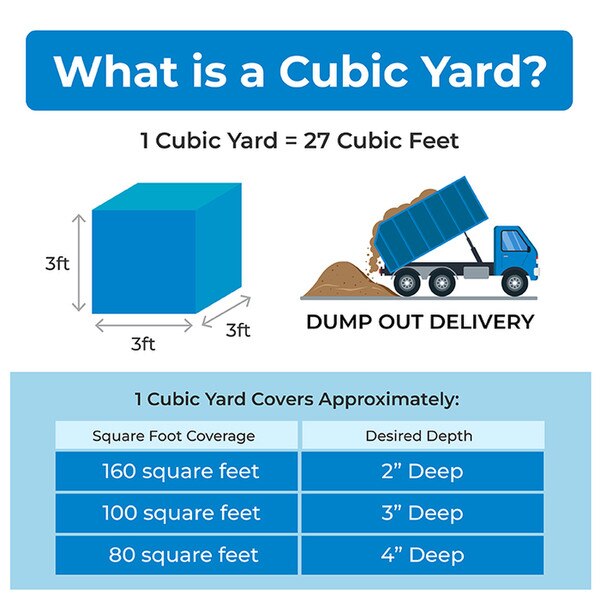
Since a cubic yard contains 27 cubic feet (3 feet x 3 feet x 3 feet), we can estimate the weight per cubic yard by multiplying the weight per cubic foot by 27.
- If we use the lower end of loose sand density (90 lbs/cu ft): 90 lbs/cu ft * 27 cu ft = 2,430 lbs per cubic yard.
- If we use the higher end of loose sand density (105 lbs/cu ft): 105 lbs/cu ft * 27 cu ft = 2,835 lbs per cubic yard.
This gives us a preliminary range, but we must remember that moisture and compaction play significant roles.
How Much Does a Yard of Sand Weigh? A Closer Look
The question, “how much does a yard of sand weigh?” is multifaceted. While we’ve established a range, let’s break it down further for masonry sand specifically.
Typical Weight Ranges for Masonry Sand
Based on industry standards and common practice, the masonry sand weight per cubic yard typically falls between:
- 2,200 to 2,700 pounds (1 to 1.35 tons)
This range accounts for the typical moisture levels and variations in grain packing encountered in bulk sand deliveries.
Moisture: The Hidden Weight Factor
Water adds a significant amount of weight to any material. Sand, being porous, can absorb and hold a considerable amount of moisture.
How Moisture Affects Sand Weight
- Dry Sand: Very dry sand will be at the lower end of the weight spectrum.
- Damp Sand: As sand becomes damp, its weight increases. Water fills the spaces between the sand grains, adding mass.
- Saturated Sand: Saturated sand, with water filling all pore spaces, will be at the heavier end of the spectrum, and can even exceed the typical ranges if not properly drained.
It’s important to remember that when sand is delivered in bulk, it’s rarely perfectly dry. It’s more likely to be slightly damp from ambient humidity or recent rain.
Comparing Masonry Sand to Other Sand Types
While we’re focusing on masonry sand, it’s helpful to see how its weight compares to other common types of sand. This will provide a broader perspective on bulk sand weight.
Construction Sand Weight
Construction sand, also known as all-purpose sand or concrete sand, is generally coarser than masonry sand. It often contains a wider range of particle sizes and can include small amounts of gravel.
- Construction sand weight per cubic yard: Typically ranges from 2,500 to 2,800 pounds. Its coarser nature and larger grain size can lead to more void space when loose, but it can also pack densely.
Landscaping Sand Weight
Landscaping sand is a broad category. It can include washed sand, decorative sand, or even decomposed granite. The composition can vary widely.
- Landscaping sand weight per yard: This can vary significantly. Washed concrete sand used for landscaping might weigh around 2,500 pounds per cubic yard. Decorative sands, depending on their composition (e.g., crushed stone), could weigh more.
Play Sand Weight Per Yard
Play sand is specifically processed to be clean, fine, and safe for children. It’s often silica sand that has been washed and screened to remove sharp edges and impurities.
- Play sand weight per yard: Generally falls in a similar range to masonry sand, often around 2,400 to 2,600 pounds per cubic yard. Its fineness can lead to denser packing.
Type S Mortar Sand Weight
“Type S” refers to a specific classification of mortar, indicating its strength and properties. Type S mortar sand is a type of masonry sand that meets certain ASTM standards.
- Type S mortar sand weight per cubic yard: The weight will be within the typical masonry sand range, so 2,200 to 2,700 pounds per cubic yard, depending on the specific characteristics and moisture content.
How Much Does Gravel Weigh Per Yard?
It’s also useful to know the weight of gravel for comparison, as it’s often used in conjunction with sand in construction projects.
- Weight of gravel per yard: This varies greatly depending on the type of aggregate and its size. Common gravel weights are:
- Crushed Gravel (3/4 inch): Approximately 2,600 – 2,800 pounds per cubic yard.
- Pea Gravel (3/8 inch): Approximately 2,500 – 2,700 pounds per cubic yard.
- River Rock (1-3 inch): Approximately 2,400 – 2,600 pounds per cubic yard.
As you can see, gravel densities are generally comparable to, or slightly higher than, sand densities.
Practical Implications of Sand Weight
Knowing the weight of a yard of sand is not just an academic exercise. It has direct practical applications:
Ordering and Delivery
- Truck Capacity: Sand is typically sold by the cubic yard, but trucks have weight limits. Knowing the weight helps ensure you don’t exceed payload capacity, especially when ordering large quantities.
- Estimating Material Needs: For projects like patios, walkways, or filling a sandbox, accurate weight estimates help prevent under-ordering (leading to delays) or over-ordering (leading to waste).
Transportation
- Vehicle Suitability: If you’re picking up sand yourself, knowing the weight per yard is essential for determining if your vehicle (trailer, truck bed) can safely handle the load.
- Hauling Costs: Some suppliers might charge based on weight, especially for long-distance deliveries.
Project Planning
- Structural Load: For projects where sand will be a component of a structure or fill, its weight contributes to the overall load.
- Mixing Ratios: While mortar is mixed by volume, understanding the weight can be helpful for certain applications or when working with specific mix designs.
Calculating Sand Weight for Your Project
If you need to calculate the weight of sand for a specific volume, you can use the average density.
Formula for Weight Calculation
Weight = Volume (in cubic yards) × Weight per cubic yard
For example, if you need 3 cubic yards of masonry sand and estimate each yard weighs 2,500 pounds:
Weight = 3 cubic yards × 2,500 lbs/cubic yard = 7,500 pounds
Estimating Moisture Content
If you know the approximate moisture content, you can adjust the weight. However, this is often difficult to do precisely without specialized equipment. It’s generally best to use the typical ranges provided by suppliers.
What Type of Sand is Used for Masonry?
Masonry sand is specifically designed for use in mortar. Its key characteristics include:
- Fineness: It’s a fine-grained sand, typically passing through a No. 16 sieve.
- Grain Shape: Grains are usually angular, which helps create a strong bond with cement.
- Cleanliness: It’s screened to remove organic matter, clay, and other contaminants that could weaken the mortar.
This contrasts with:
- Concrete Sand: Coarser, with a wider range of particle sizes, used for mixing concrete.
- Play Sand: Very fine, soft, and clean, used for sandboxes and recreational purposes.
- Decorative Sand: Can be various types, including colored or textured sands, for landscaping and decorative use.
Tables and Visual Aids
To summarize the information, here are some helpful tables:
Table 1: Typical Weight Ranges of Bulk Materials per Cubic Yard
| Material | Typical Weight Range (lbs/cubic yard) |
|---|---|
| Masonry Sand | 2,200 – 2,700 |
| Construction Sand | 2,500 – 2,800 |
| Landscaping Sand | 2,400 – 2,800 (highly variable) |
| Play Sand | 2,400 – 2,600 |
| Type S Mortar Sand | 2,200 – 2,700 |
| Crushed Gravel (3/4″) | 2,600 – 2,800 |
| Pea Gravel (3/8″) | 2,500 – 2,700 |
| Topsoil (loose) | 1,800 – 2,500 |
| Compost (loose) | 1,000 – 1,600 |
Table 2: Factors Influencing Sand Weight
| Factor | Impact on Weight |
|---|---|
| Moisture Content | Increases weight (damp/wet sand is heavier) |
| Grain Size | Finer grains can pack denser, increasing weight |
| Grain Shape | Angular grains can pack tighter than rounded ones |
| Compaction | Increases density and weight |
| Mineral Content | Minor impact; denser minerals increase weight |
Frequently Asked Questions (FAQ)
Q1: Can I assume a standard weight for any type of sand?
A1: No, it’s best to be aware that different types of sand and their moisture content can lead to varying weights. Always check with your supplier for their specific material’s weight per cubic yard.
Q2: Does the weight of sand change if it’s wet?
A2: Yes, wet sand is significantly heavier than dry sand because water adds mass to the material.
Q3: Why is knowing the weight of sand important for a project?
A3: It’s important for ordering the correct amount, ensuring transportation safety and compliance with weight limits, and for accurate project budgeting.
Q4: What is the difference in weight between masonry sand and regular sand?
A4: Masonry sand is a specific type of sand. “Regular sand” is a vague term. If you mean construction sand, masonry sand is often slightly lighter due to its finer and more consistent grain size when dry, but moisture levels can equalize or reverse this.
Q5: How much does a ton of sand equal in cubic yards?
A5: If we assume an average of 2,500 pounds per cubic yard, then one ton (2,000 pounds) would be approximately 0.8 cubic yards (2000 / 2500 = 0.8). Conversely, 1 cubic yard would be about 1.25 tons (2500 / 2000 = 1.25).
Conclusion
In conclusion, the question of how much does a yard of masonry sand weigh has a nuanced answer, but a practical range can be established. For most purposes, you can estimate that a cubic yard of masonry sand weighs between 2,200 and 2,700 pounds. Always remember that moisture content is the most significant variable. When in doubt, consult with your sand supplier for the most accurate weight information for their specific product. This knowledge will ensure your projects are well-planned and executed smoothly.