
So, how many volts are in a lawn mower battery? While most electric lawn mower batteries are typically 12, 18, 24, 36, 40, 48, or even 80 volts, the exact voltage depends on the type of mower and its intended power output.
The world of lawn care is changing. Gone are the days when gas-powered mowers were the only option. Electric lawn mowers, powered by rechargeable batteries, are becoming increasingly popular. They offer a quieter, cleaner, and often more convenient way to keep your lawn looking its best. But when it comes to these battery-powered machines, one question often arises: “How many volts are in a lawn mower battery?” This article will dive deep into the fascinating topic of lawn mower battery voltage, explaining everything you need to know to make informed decisions about your equipment.
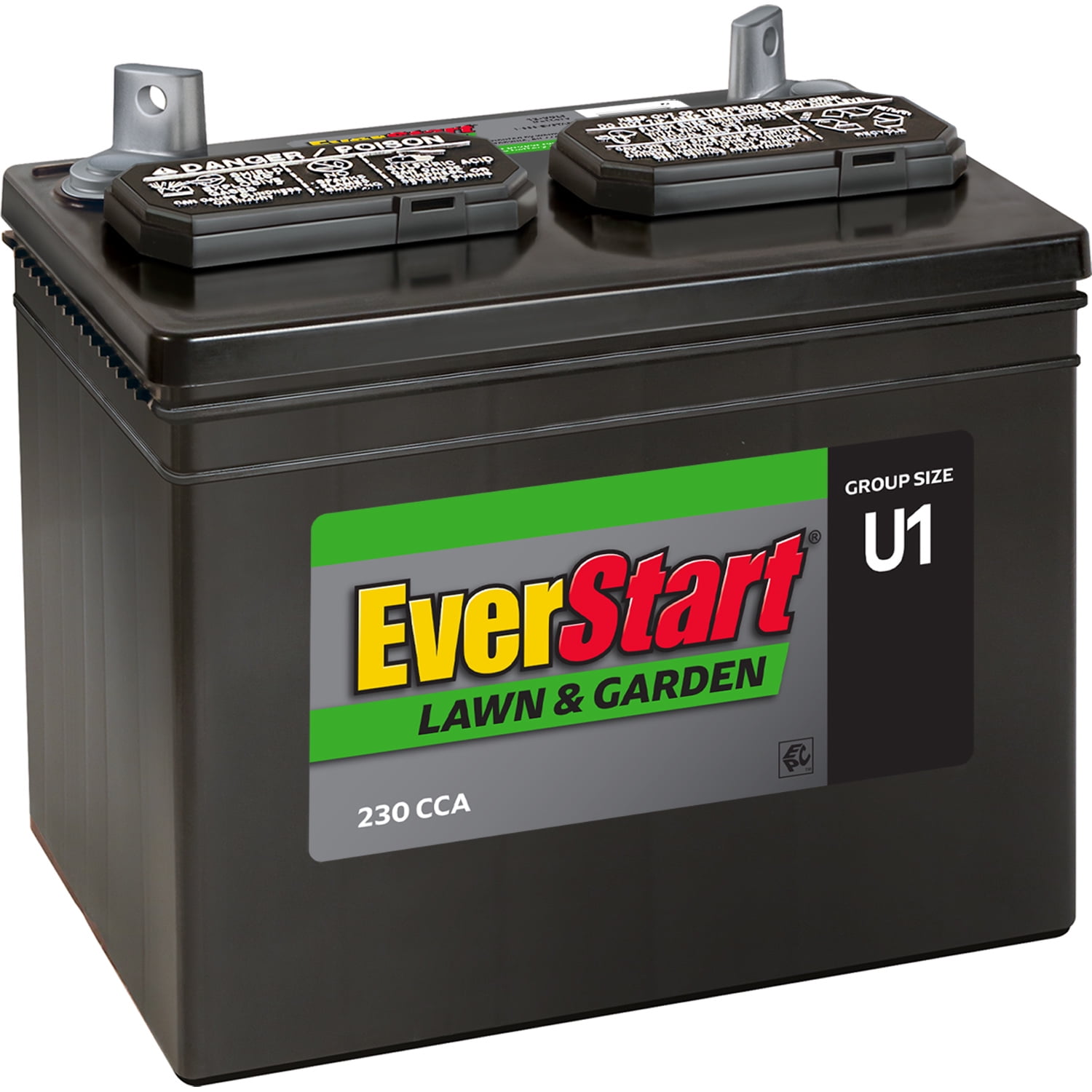
Image Source: i5.walmartimages.com
Deciphering Lawn Mower Battery Types
Before we get too deep into voltage, it’s important to grasp the different lawn mower battery types you’ll encounter. These batteries are the heart of your electric mower, providing the energy to spin the blades and propel the machine.
Lead-Acid Batteries
Historically, lead-acid batteries were the go-to for many applications, including early electric mowers. They are robust and relatively inexpensive but also quite heavy and have a shorter lifespan compared to newer technologies. You’ll often find them in older or entry-level electric mowers.
Lithium-Ion Batteries
Lithium-ion (Li-ion) batteries are now the dominant force in electric lawn care. They are lighter, more powerful, offer a longer lifespan, and charge faster than lead-acid batteries. Most modern electric mowers, from walk-behind models to riding mowers, utilize Li-ion technology. These batteries are a significant advancement, offering better performance and a more enjoyable user experience.
Nickel-Cadmium (NiCd) and Nickel-Metal Hydride (NiMH) Batteries
While less common now in high-power applications like lawn mowers, you might still see NiCd or NiMH batteries in some smaller or older electric tools. They were stepping stones to Li-ion but have drawbacks like memory effect (in NiCd) and lower energy density.
The Significance of Voltage in Your Mower
Voltage, measured in volts (V), is a crucial factor in any electric tool, and your lawn mower is no exception. Think of voltage as the “push” or “pressure” that electrical current receives. A higher voltage means more electrical “pressure,” which can translate to more power.
How Voltage Affects Performance
- Power Output: Higher voltage generally means a more powerful motor. This translates to better cutting performance, especially in thicker or taller grass. A mower with higher voltage for electric lawn mower applications will likely have more torque and be able to handle more demanding conditions without bogging down.
- Speed: Voltage can also influence the speed at which the mower operates and the motor spins.
- Efficiency: While not directly a measure of efficiency, voltage plays a role in how efficiently the mower converts battery energy into cutting power.
Common Voltages in Electric Lawn Mowers
You’ll see a range of voltages when shopping for an electric mower. Here’s a breakdown of what’s common:
- 12 Volt Lawn Mower Battery: While you might find some very small, toy-like electric mowers or specific attachments using a 12 volt lawn mower battery, it’s not common for a full-sized, functional lawn mower.
- 18 Volt Lawn Mower Battery: You’ll typically see 18-volt batteries in smaller, lighter cordless tools. A few very compact electric mowers might use 18-volt batteries, often in pairs to increase overall voltage and power.
- 24 Volt Lawn Mower Battery: The 24 volt lawn mower battery is a step up and can be found in some walk-behind mowers. This voltage offers a good balance of power and portability for smaller to medium-sized lawns.
- 36 Volt Lawn Mower Battery: 36-volt systems are becoming more prevalent, offering a noticeable increase in cutting power compared to 24-volt models.
- 40 Volt Lawn Mower Battery: 40-volt systems are very popular for their excellent performance-to-weight ratio. Many reputable brands offer mowers in this voltage class, providing ample power for most residential lawns.
- 48 Volt Lawn Mower Battery: Stepping up to 48 volts means more power and often longer runtimes. These are found in more robust walk-behind mowers and some smaller riding mowers.
- 80 Volt Lawn Mower Battery: For serious lawn care enthusiasts or those with larger properties, 80-volt systems are the top tier. These mowers are designed for high performance, comparable to gas-powered models, with substantial cutting power and extended runtimes.
Beyond Voltage: Understanding Amps and Capacity
While voltage is critical, it’s not the only battery specification you should consider. How many amps in a lawn mower battery and its capacity are equally important for determining performance and runtime.
Amperage and Amperage-Hour (Ah)
- Amperage (A): Amperage refers to the rate of electrical current flow. In a lawn mower, it’s a measure of how much power the battery can deliver at a given moment. Higher amperage generally means more instant power.
- Ampere-Hour (Ah): This is a measure of battery capacity. It tells you how much current the battery can deliver over a period of time. For example, a 5.0 Ah battery can theoretically deliver 5 amps for one hour, or 2.5 amps for two hours, and so on. A higher Ah rating generally means longer runtimes.
Battery Capacity and Runtime
Lawn mower battery capacity directly impacts how long you can mow on a single charge. A mower with a higher Ah rating will likely allow you to complete a larger lawn or mow for a longer duration before needing to recharge. It’s crucial to consider your lawn size when selecting a mower based on its battery capacity.
The Importance of a Rechargeable Lawn Mower Battery
The beauty of electric mowers lies in their rechargeable lawn mower battery. This feature offers several advantages:
- Cost Savings: Over time, you save money by not having to buy gasoline.
- Environmental Benefits: Electric mowers produce zero direct emissions, making them a more eco-friendly choice.
- Convenience: No more trips to the gas station or messy oil changes. Simply plug in your battery when it’s depleted.
Mower Battery Charging Explained
Proper mower battery charging is essential for maximizing the lifespan and performance of your battery.
- Charger Compatibility: Always use the charger that came with your mower or a manufacturer-approved replacement. Using the wrong charger can damage the battery or even pose a fire hazard.
- Charging Times: Charging times vary significantly depending on the battery’s voltage, capacity, and the charger’s power output. High-capacity batteries can take several hours to fully charge.
- Battery Management Systems (BMS): Most modern Li-ion batteries have a BMS built-in. This system protects the battery from overcharging, over-discharging, and overheating, ensuring safety and longevity.
- Storage: If you’re storing your mower for an extended period, it’s generally recommended to keep the battery partially charged (around 50-70%). Avoid storing a fully depleted or fully charged battery for long durations, as this can degrade its capacity over time.
When is Lawn Mower Battery Replacement Needed?
Like all batteries, rechargeable lawn mower batteries have a finite lifespan. Eventually, you’ll need lawn mower battery replacement. Here are some signs your battery might be nearing the end of its life:
- Significantly Reduced Runtime: If your mower used to last an hour but now only lasts 15-20 minutes, the battery’s capacity has likely degraded.
- Failure to Hold a Charge: The battery might charge quickly but then deplete just as fast.
- Slow Motor Performance: Even with a full charge, the mower’s motor might seem weaker or struggle more than usual.
- Physical Damage: Any visible signs of swelling, leaking, or damage to the battery casing mean it should be replaced immediately for safety reasons.
Choosing a Replacement Battery
When it’s time for a lawn mower battery replacement, it’s crucial to get the correct specifications.
- Voltage Match: The replacement battery must have the same voltage as your original battery. Using a battery with a different voltage can damage the mower’s electronics.
- Capacity (Ah): You can usually opt for a battery with a higher Ah rating than your original for longer runtimes, provided it’s the same voltage and physically fits your mower.
- Brand and Compatibility: Stick to manufacturer-specified batteries or reputable third-party brands known for quality and compatibility. Always check the product description to ensure it’s designed for your specific mower model.
Comparing Voltages: What’s the Best Choice?
The “best” voltage for your lawn mower depends on your specific needs and lawn characteristics.
12 Volt Lawn Mower Battery vs. 24 Volt Lawn Mower Battery
As mentioned, a 12 volt lawn mower battery is typically for very small or specialized units. A 24 volt lawn mower battery offers a significant increase in power and is suitable for small to medium-sized lawns. If you have a basic, flat lawn and don’t often encounter thick grass, a 24V mower might suffice.
Higher Voltages: 36V, 40V, 48V, and 80V
- 36V/40V: These are excellent all-around options for most suburban lawns. They provide good power for moderate grass conditions and offer decent runtimes.
- 48V: If you have a larger lawn, slightly thicker grass, or want a bit more power to tackle inclines, a 48V mower is a great choice. You’ll likely get longer runtimes and more consistent performance.
- 80V: These are the workhorses. If you have a large property, thick turf, or frequently mow in challenging conditions, an 80V mower will offer the most power, torque, and potentially the longest runtimes. They are often comparable to their gas-powered counterparts in terms of performance.
Factors Influencing Mower Battery Performance
Several factors, beyond just the voltage and capacity, can influence how well your lawn mower battery performs:
- Battery Chemistry: As discussed, Lithium-ion is the leading technology for its energy density and longevity.
- Motor Efficiency: A more efficient motor will draw less power from the battery, leading to longer runtimes.
- Cutting Conditions: Mowing wet, tall, or thick grass requires more power and will drain the battery faster than mowing dry, short grass.
- Terrain: Mowing on slopes or uneven terrain requires more energy than mowing on flat ground.
- Battery Temperature: Batteries perform best within a certain temperature range. Extreme heat or cold can reduce their efficiency and lifespan.
Frequently Asked Questions (FAQ)
Can I use a battery from a different brand in my lawn mower?
Generally, no. Lawn mower batteries are designed for specific voltage and connector types. Using a battery from a different brand or model that isn’t explicitly stated as compatible can damage your mower or the battery, and may void your warranty.
How long should a lawn mower battery last?
A good quality Lithium-ion lawn mower battery should last anywhere from 3 to 5 years, or between 500 to 1000 charge cycles, depending on usage and care.
What happens if I use a higher voltage battery than my mower is rated for?
This is highly discouraged and can be very dangerous. A higher voltage battery will push more power than the mower’s motor and electronics are designed to handle, potentially causing immediate damage, overheating, or even a fire. Always match the voltage.
How can I extend the life of my lawn mower battery?
- Avoid fully discharging the battery regularly.
- Store the battery in a cool, dry place.
- Use the correct charger.
- Avoid exposing the battery to extreme temperatures.
- Keep the battery terminals clean.
Is an electric lawn mower with a higher voltage always better?
Not necessarily. While higher voltage generally means more power, it also often means a heavier battery and a higher cost. For smaller lawns and lighter duty, a lower voltage mower can be perfectly adequate and more cost-effective. Consider your lawn size, grass type, and typical mowing conditions when deciding on voltage.
Conclusion
When delving into lawn mower battery voltage, it’s clear that this specification is a cornerstone of your electric mower’s capability. From the fundamental differences in lawn mower battery types to the practicalities of mower battery charging and eventual lawn mower battery replacement, a thorough understanding empowers you to make the best choices for your lawn care needs. Whether you’re looking at a 12 volt lawn mower battery for a small unit or considering the robust power of an 80-volt system, knowing the relationship between voltage, amperage, and capacity is key. By paying attention to these details, you can ensure your electric lawn mower delivers the performance you need for a beautifully manicured lawn, year after year.