
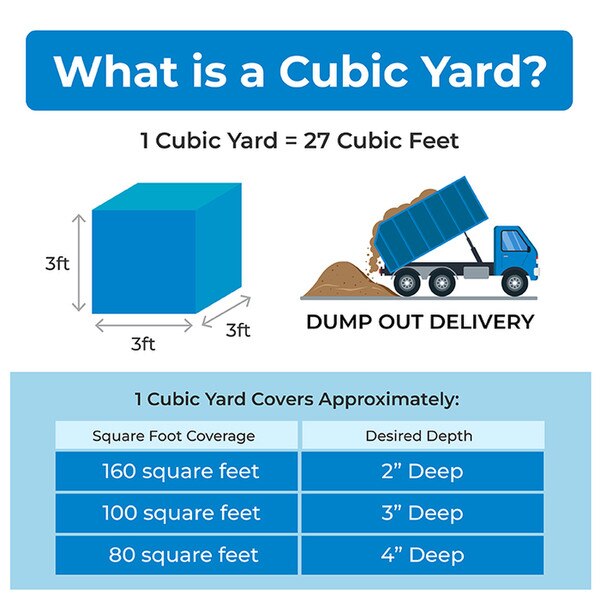
Image Source: www.cumminlandscapesupply.com
How Much Does A Cubic Yard Of Sand Weight?: The Facts
A cubic yard of sand typically weighs between 2,500 and 3,000 pounds, but this can vary. Figuring out how much does sand weigh per cubic yard involves looking at several factors. This post will break down the facts about sand density and guide you through the weight of sand per cubic yard.
When you’re planning a project, whether it’s a big backyard patio, a new driveway, or a sandpit for the kids, knowing the weight of your materials is crucial. This is especially true when ordering bulk materials like sand. You need to ensure your truck or trailer can handle the load, and you’re getting the right amount for your needs. So, let’s dive into the specifics of cubic yard sand weight.
Deciphering Sand’s Weight: It’s Not One-Size-Fits-All
Many people ask, “How much does a cubic yard of sand weigh?” The answer isn’t a single number because sand isn’t a uniform substance. Think of it like asking how much a gallon of milk weighs – it depends on whether it’s whole, skim, or even chocolate milk! Similarly, the bulk density of sand changes based on its type, moisture content, and how it’s packed.
Factors Influencing Sand Weight
Several key elements determine how much does sand weigh:
- Type of Sand: Different geological formations create sands with varying mineral compositions and grain sizes. This directly impacts their density.
- Moisture Content: Wet sand is heavier than dry sand. Water fills the spaces between sand grains, adding significant weight.
- Particle Size and Shape: Finer sands, with their smaller grains, tend to pack more densely than coarser sands with larger, more irregular grains.
- Compaction: How tightly the sand is packed into the cubic yard also affects its weight. Loosely poured sand will weigh less than sand that has been vibrated or compressed.
The Science Behind Sand’s Density
Sand density refers to the mass of sand per unit of volume. It’s usually measured in pounds per cubic foot or kilograms per cubic meter. For bulk materials like sand, we often talk about bulk density, which includes the air spaces between the grains.
A good way to visualize this is to imagine filling a box with marbles. If you just pour them in, there will be a lot of air gaps. If you shake the box or tap it, the marbles will settle closer together, reducing the air gaps and increasing the density. Sand behaves similarly.
How Much Does Sand Weigh Per Cubic Yard?
Let’s get down to the numbers. When discussing the weight of sand per cubic yard, we’re generally looking at a range because of the factors mentioned above.
- Dry Sand: Typically, one cubic yard of dry sand weighs approximately 2,500 to 2,800 pounds.
- Wet Sand: When sand is wet, its weight can increase significantly, often reaching 2,800 to 3,000 pounds or even more, depending on how saturated it is.
It’s important to remember these are average figures. If you’re ordering sand for a specific project, it’s always best to ask your supplier for their specific weight per cubic yard. They often have a sand density chart or can provide an estimate based on the type of sand you are ordering.
Types of Sand Weight: A Closer Look
The types of sand weight vary widely. Here’s a breakdown of some common types you might encounter:
Construction Sand Weight
Construction sand weight is a critical factor in building projects. This sand is typically coarser and more angular than other types, which helps it bind well with cement and create strong structures.
- All-Purpose Construction Sand (Concrete Sand): This is a common choice for mixing concrete, mortar, and plaster. It’s generally clean and well-graded. The weight typically falls within the 2,500 to 2,800 pounds per cubic yard range for dry material.
- Mason Sand: This is a finer-grained sand used for mortar and bricklaying. Due to its finer particles, it can sometimes pack a bit denser. A cubic yard of dry mason sand might weigh between 2,600 and 2,900 pounds.
When ordering for construction, precision is key. If you’re calculating how much you need for a concrete mix, knowing the exact density your supplier uses is beneficial.
Landscaping Sand Weight
Landscaping sand weight is important for projects like creating patios, leveling garden beds, or filling sandboxes. The types of sand used in landscaping can vary from coarse to fine decorative sands.
- Play Sand: This is a finely screened and washed sand, often rounded grains, making it safe and comfortable for children’s sandboxes. Its weight can be a bit lighter due to the rounding of the grains and potential for looser packing. Dry play sand might weigh around 2,400 to 2,700 pounds per cubic yard.
- Decorative Gravel/Sand Mixes: These often contain larger aggregate along with sand. The weight per cubic yard will depend heavily on the mix ratio.
- Coarse Sand (for drainage): Used in landscaping for drainage layers, this sand has larger grains. It might weigh around 2,500 to 2,800 pounds per cubic yard when dry.
For landscaping, consistency is often more important than precise weight. However, if you are moving large quantities, knowing the approximate weight helps in planning.
Other Sand Types and Their Weights
- Silica Sand: Known for its high quartz content and purity, silica sand is used in glassmaking, foundries, and filtration. Its density can be higher due to the uniform nature of the grains. Dry silica sand can weigh between 2,700 and 3,000 pounds per cubic yard.
- River Sand: Often naturally rounded and smoothed by water, river sand can have a range of grain sizes. Its weight would be similar to construction or play sand, depending on the specific characteristics.
- Crushed Stone Fines: Sometimes referred to as “manufactured sand,” this material is produced by crushing rock. The angularity of these particles can lead to denser packing and potentially higher weight.
The Impact of Moisture: A Heavy Truth
We cannot overstate the impact of moisture on sand’s weight. Imagine carrying a bucket of dry sand versus a bucket of wet sand. The wet sand is noticeably heavier. This is because water fills the interstitial spaces – the tiny gaps between the sand grains.
- Slightly Damp Sand: Might weigh a little more than dry sand, perhaps an extra 100-200 pounds per cubic yard.
- Very Wet or Saturated Sand: Can add hundreds of pounds, pushing the total weight towards the upper end of the range, or even exceeding 3,000 pounds per cubic yard.
When ordering sand, especially during rainy seasons or if it’s stored outdoors, the moisture content can be a significant variable. Some suppliers will specify “dry loose measure” to provide a consistent baseline.
Calculating Your Sand Needs: Using a Sand Weight Calculator
Knowing the approximate weight is useful, but you might also need to calculate how much sand you need for a specific volume. This is where a sand weight calculator comes in handy.
Most online calculators will ask for:
- The volume you need: This is often in cubic yards or cubic feet.
- The type of sand: Some calculators have pre-set densities for common sand types.
- The desired density: If you know the specific density of the sand you’re using, you can input it directly.
Formula for Calculation:
Weight = Volume × Density
- Example: If you need 5 cubic yards of sand and the dry sand density is 2,700 pounds per cubic yard:
Weight = 5 cubic yards × 2,700 pounds/cubic yard = 13,500 pounds
This calculation helps you determine:
- How much your total sand order will weigh.
- If your truck or trailer can legally and safely carry the load.
- How many cubic yards you need to order to reach a certain weight for a project.
A Quick Sand Density Chart Reference
Here is a simplified sand density chart to give you a quick reference. Remember, these are approximate values for dry, loose sand.
| Type of Sand | Approximate Weight per Cubic Yard (Dry Loose) |
|---|---|
| Construction Sand | 2,500 – 2,800 lbs |
| Mason Sand | 2,600 – 2,900 lbs |
| Play Sand | 2,400 – 2,700 lbs |
| Silica Sand | 2,700 – 3,000 lbs |
| River Sand | 2,500 – 2,800 lbs |
| Crushed Stone Fines | 2,600 – 2,900 lbs |
Note: These figures do not account for moisture or compaction. For precise calculations, always consult your supplier.
Practical Implications: Why Does Sand Weight Matter?
Knowing the weight of sand per cubic yard is not just an academic exercise. It has real-world implications for many tasks:
Project Planning and Material Ordering
When you order bulk materials, they are typically sold by the cubic yard. However, if you’re working with a weight limit for delivery or trying to estimate how much your truck can carry, the weight becomes critical.
- Truck and Trailer Capacity: Most pickup trucks have a payload capacity of around 1,000 to 2,000 pounds. A single cubic yard of sand, weighing up to 3,000 pounds, would likely exceed this capacity. This means you’ll need a larger truck, a dump trailer, or multiple trips.
- Delivery Costs: Some suppliers might charge based on weight for larger deliveries, or their delivery vehicle capacity might be influenced by the density of the material.
Construction and Engineering
In construction, the density and weight of materials directly impact structural integrity.
- Foundation Strength: The weight of the soil and fill materials used in foundations contributes to the overall load on the ground.
- Concrete Mix Design: The exact weight of sand and aggregate per cubic yard is crucial for achieving the correct strength and workability in concrete mixes.
- Drainage Systems: The void spaces in coarser sands used for drainage are important for water flow. Their density will affect how much water can pass through.
Landscaping and Backyard Projects
Even for smaller projects, knowing the weight can save you from over-ordering or struggling to move materials.
- Sandbox Filling: Knowing the weight helps estimate how much sand you can safely transport and how much is needed for a good depth.
- Patio Base Preparation: The sand base for pavers needs to be a specific depth and compacted correctly. Understanding the weight can help in calculating material quantities for larger areas.
Tips for Ordering and Handling Sand
To make your sand ordering and handling process smoother, keep these tips in mind:
- Always Ask Your Supplier: Don’t rely solely on general charts. Ask your sand supplier for the specific weight per cubic yard of the sand you are ordering. They can often provide a more accurate figure based on their inventory.
- Consider Moisture: If ordering during or after rain, expect the sand to be heavier. If your project is sensitive to weight, try to order during dry periods or ask for the “dry loose” weight.
- Measure Carefully: Ensure you accurately measure the area you need to fill to calculate the required volume in cubic yards. Use our earlier formula or an online sand weight calculator for this.
- Plan Your Transportation: Know the weight capacity of your vehicle. It’s often better to underestimate what your truck can haul and make an extra trip than to overload it.
- Storage: If you have excess sand, store it in a way that minimizes moisture absorption to keep its weight consistent for future use. Covering it with a tarp is a good practice.
Frequently Asked Questions About Sand Weight
Q: How much does a cubic yard of wet sand weigh compared to dry sand?
A: Wet sand is significantly heavier. A cubic yard of wet sand can weigh 200-500 pounds more than the same volume of dry sand, due to water filling the spaces between grains.
Q: Can I transport a cubic yard of sand in a standard pickup truck?
A: It is unlikely. Most standard pickup trucks have a payload capacity of around 1,000-2,000 pounds. A cubic yard of sand can weigh between 2,500-3,000 pounds or more, exceeding most truck capacities. You’ll likely need a larger truck, a dump trailer, or multiple trips.
Q: What is the most common weight for a cubic yard of sand?
A: The most commonly cited range for a cubic yard of dry, loose sand is between 2,500 and 2,800 pounds.
Q: Does the color of sand affect its weight?
A: The color itself doesn’t directly affect weight, but the minerals that cause the color can influence density. For example, sand with a higher quartz content (often lighter in color) might be denser than sand with more organic material or lighter minerals.
Q: Where can I find a reliable sand weight calculator?
A: Many landscaping supply websites, construction material calculators, and general online tool websites offer free sand weight calculator functions. Simply search for “sand weight calculator” online.
Q: Is there a standard sand density chart I can refer to?
A: While there isn’t one single “official” chart, many construction and landscaping material suppliers provide their own sand density chart or specific weight data for their products. Online resources also offer general charts for different sand types.
Q: How does sand compaction affect its weight per cubic yard?
A: Compacting sand reduces the air spaces between the grains, making it denser. Therefore, compacted sand will weigh more per cubic yard than the same sand in a loose state.
By grasping the nuances of sand density and how much does sand weigh, you can approach your projects with greater confidence and accuracy. Whether you’re a homeowner planning a garden or a contractor on a large build, knowing these facts ensures you order the right amount of material and handle it safely and effectively.