
When your trusty lawn mower finally gives up the ghost, you might wonder, “Can I just throw it in the trash?” The short answer is no, you cannot simply toss a lawn mower into your regular garbage bin. Proper disposal is crucial for environmental safety and often required by local regulations. This guide will walk you through the best ways to handle used mower disposal, covering everything from gas-powered beasts to quiet electric models.
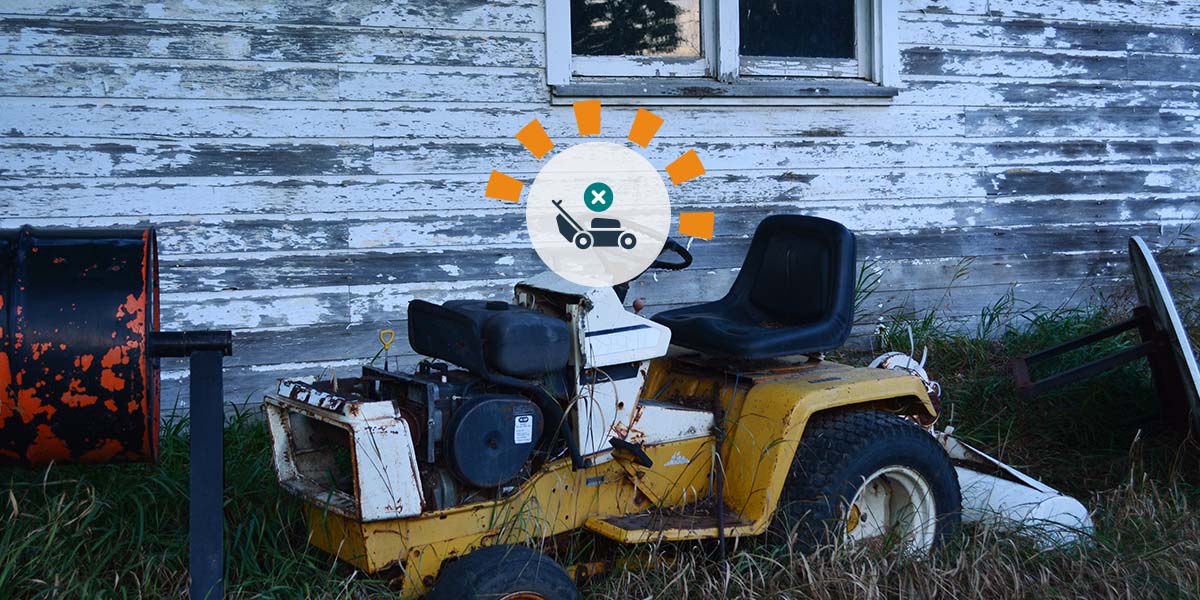
Image Source: dumpsters.com
Your Old Lawn Mower Removal Options
Getting rid of an old lawn mower doesn’t have to be a chore. Several convenient and responsible avenues exist for its removal. We’ll explore each one to help you find the best fit for your situation.
Exploring Lawn Mower Recycling Programs
Many communities offer dedicated lawn mower recycling programs. These programs are designed to handle the specific materials and potential hazards found in lawn mowers, ensuring they are processed in an environmentally sound manner.
- How they work: Local waste management facilities or specialized recycling centers often accept old mowers. They will break down the mower, separating metal components for scrap, and safely disposing of any hazardous fluids like gasoline or oil.
- Finding a program: Check your local municipality’s website or contact their waste management department. They usually have information on drop-off locations, accepted items, and any associated fees. Sometimes, events are held specifically for bulky item recycling.
What to Do with a Used Mower Disposal
When you need to arrange for used mower disposal, consider these practical steps.
- Drain Fluids: For gas mowers, it’s essential to drain all gasoline and oil before transporting or handing over the mower. Store these fluids in approved containers for proper disposal at a hazardous waste collection site. Many auto parts stores or service stations accept used motor oil.
- Remove Battery: If your mower has a battery (common in electric start gas mowers and all electric mowers), remove it. Batteries often require separate recycling due to their chemical content. Check with your local recycling center for battery disposal guidelines.
- Consult Local Guidelines: Always confirm your local regulations for disposing of large appliances or machinery. Some areas might have specific pick-up days or designated drop-off points.
Old Lawn Mower Removal: Making it Easy
Dealing with old lawn mower removal can be simplified by understanding the options available.
- Curbside Pickup: Some municipalities offer special curbside pickup for bulky items. You may need to schedule this in advance and might pay a small fee.
- Scrap Metal Dealers: If your mower is mostly metal and no longer functional, a scrap metal dealer might be willing to take it. They typically pay based on the weight of the metal. Be sure to confirm they accept lawn mowers and if there are any preparation requirements.
- Junk Removal Services: For a hassle-free solution, consider a professional junk lawn mower pickup service. These companies will come to your home, load the mower, and handle its disposal or recycling for you. This is often the most convenient option, especially for larger mowers like riding models.
Disposing of Different Types of Lawn Mowers
The type of lawn mower you own will influence the best disposal method. Here’s a breakdown for common mower types:
Gas Mower Disposal: Handling the Hazards
Gas mower disposal requires a bit more care due to the presence of fuel and oil, which are hazardous materials.
- Step 1: Emptying the Fuel Tank:
- Safety First: Ensure the mower is on a flat, stable surface in a well-ventilated area, away from ignition sources. Wear gloves and eye protection.
- Drain the Fuel: Use a hand-crank fuel pump or siphon to carefully remove all gasoline from the tank. Store the gasoline in an approved container. Never pour gasoline down a drain or onto the ground.
- Step 2: Draining the Oil:
- Warm Engine (Optional but helpful): If the mower has been used recently, the oil will drain more easily when warm. Allow it to cool slightly before proceeding.
- Locate Drain Plug: Most gas mowers have a drain plug at the bottom of the engine crankcase. Place a suitable container beneath the plug.
- Remove and Drain: Use an appropriate wrench to remove the drain plug and allow all the oil to drain out.
- Dispose of Oil Responsibly: Take the used oil to a local auto parts store, repair shop, or household hazardous waste facility that accepts used motor oil.
- Step 3: Transport and Disposal: Once all fluids are removed, the mower can be transported to a recycling center, scrap dealer, or junk removal service.
Electric Mower Disposal: Eco-Friendly Alternatives
Electric mower disposal is generally simpler as they don’t contain flammable liquids. However, battery disposal is a key consideration.
- Battery Removal:
- Identify the Battery: Locate the mower’s battery pack.
- Disconnect and Remove: Follow the manufacturer’s instructions to safely disconnect and remove the battery.
- Battery Recycling: Lithium-ion and other types of batteries require special recycling. Many electronics stores, hardware stores, and municipal recycling centers have battery drop-off points. Check for local battery recycling programs.
- Mower Body: The main body of an electric mower can often be taken to general recycling centers or scrap metal yards, similar to gas mowers, after the battery is removed.
Riding Mower Disposal: Bigger Challenges, Bigger Solutions
Riding mower disposal presents a larger undertaking due to their size and weight. The principles for gas and electric versions still apply, but the logistics are different.
- Fluid Drainage: As with push gas mowers, drain all fuel and oil safely and responsibly.
- Battery Removal: If your riding mower is electric start or fully electric, remove the battery for separate recycling.
- Transportation: Riding mowers are heavy. You’ll likely need a trailer, truck, or a specialized junk removal service for transport.
- Recycling Centers: Many recycling centers that accept cars or large appliances can also handle riding mowers.
- Junk Removal Services: These services are particularly well-suited for commercial mower disposal or large residential units, as they have the equipment to handle the weight and transport.
Commercial Mower Disposal: Specialized Needs
Commercial mower disposal for businesses or landscaping companies often involves larger, more robust equipment.
- Bulk Recycling: Businesses may have contracts with waste management companies that can handle large-scale disposal and recycling of equipment.
- Trade-In Programs: When purchasing new commercial equipment, dealers may offer trade-in options for old mowers, simplifying the disposal process.
- Specialized Haulers: Companies that specialize in equipment removal can handle the logistics of transporting and disposing of large commercial mowers.
Beyond Disposal: Other Responsible Options
Before you decide on disposal, consider if your old mower could still serve a purpose or contribute to a good cause.
Considering Lawn Mower Donation
Lawn mower donation is a fantastic way to give your working or repairable mower a second life.
- Who Accepts Donations:
- Local Charities: Organizations like Habitat for Humanity ReStores, community gardens, or vocational schools sometimes accept donated tools and equipment.
- Non-Profit Organizations: Many non-profits that provide services to low-income families or community development programs might be grateful for a working mower.
- Schools with Agricultural Programs: High school or community college agricultural programs might use older mowers for practice and learning.
- Condition Matters: Ensure your mower is in reasonably good working condition, or clearly state if it needs repairs. Be prepared to provide a donation receipt for tax purposes.
Selling Your Old Lawn Mower
If your mower is still functional, selling it is a great way to recoup some of its cost and prevent it from becoming waste.
- Online Marketplaces: Websites like Craigslist, Facebook Marketplace, eBay, or local classifieds are excellent places to list your mower.
- Garage Sales: Include your mower in a neighborhood or garage sale.
- Pricing: Research similar models online to determine a fair price. Be honest about the mower’s condition.
Selling for Scrap Metal
If your mower is beyond repair and you’re looking to get a little money back, you can sell it as scrap metal lawn mower.
- Prepare for Sale: As mentioned earlier, drain all fluids. Remove any non-metal parts like plastic shrouds, belts, or batteries if you can easily do so. This makes it easier for the scrap yard and potentially increases the price you get per pound for the metal.
- Find a Local Yard: Search for local scrap metal yards that accept automotive or machinery parts.
Preparing Your Lawn Mower for Disposal or Donation
Regardless of your chosen method, some preparation ensures a smooth process.
Step-by-Step Preparation Guide
- Clean the Mower: Give your mower a good cleaning. Remove grass clippings, dirt, and debris from the deck, wheels, and engine. This makes it more appealing for donation or easier for recyclers to handle.
- Secure Loose Parts: Tape down or secure any loose cords, handles, or detachable parts so they don’t fall off during transport.
- Gather Manuals/Accessories: If you have the original owner’s manual, maintenance records, or any extra parts (like a mulching kit), include them, especially if donating.
- Document Condition: If selling or donating, take clear photos of the mower from all angles, highlighting any wear and tear.
Environmental Considerations in Lawn Mower Disposal
Responsible disposal goes beyond simply getting rid of an item; it’s about minimizing environmental impact.
Why Proper Disposal Matters
- Hazardous Materials: Gas and oil are toxic and can contaminate soil and water if not handled correctly. Batteries can also leach harmful chemicals.
- Resource Conservation: Recycling metal components reduces the need for virgin materials, saving energy and resources.
- Landfill Reduction: Keeping bulky items like lawn mowers out of landfills is essential for managing waste effectively.
The Role of Scrap Metal Lawn Mower Reclamation
When a mower is designated as a scrap metal lawn mower, it enters a system of reclamation.
- Metal Recovery: Ferrous metals (like steel) and non-ferrous metals (like aluminum) are separated and processed.
- Energy Savings: Recycling metal uses significantly less energy than producing new metal from raw ore.
- Economic Benefits: The scrap metal industry creates jobs and contributes to the economy.
FAQs About Lawn Mower Disposal
Here are answers to some common questions people have about getting rid of their old lawn mowers.
Frequently Asked Questions
Q1: Can I put an old lawn mower in my curbside trash bin?
A: Generally, no. Most municipal trash services do not accept large items like lawn mowers in regular bins due to their size, weight, and potential hazardous components. You’ll need to arrange for special pickup or take it to a designated facility.
Q2: How do I dispose of gasoline and oil from a lawn mower?
A: Never pour gasoline or oil down drains or on the ground. Store them in approved, sealed containers and take them to a household hazardous waste collection site, a recycling center that accepts automotive fluids, or sometimes an auto parts store or service station.
Q3: Is it legal to just leave an old lawn mower on the curb?
A: No, it’s usually illegal and considered illegal dumping. Leaving items on the curb without proper arrangement can result in fines and is unsightly for your neighborhood.
Q4: What if my lawn mower is broken? Can I still donate it?
A: Some organizations might accept broken mowers if they have repair programs or can salvage parts. However, it’s best to check with the organization beforehand. If it’s too far gone, recycling or scrap metal is a better option.
Q5: Where can I find a junk lawn mower pickup service?
A: You can find these services by searching online for “junk removal services near me,” “appliance removal,” or specifically “lawn mower disposal services.” Many national junk removal companies operate locally.
Q6: Do I need to remove the battery before recycling an electric mower?
A: Yes, it’s highly recommended. Batteries often require separate, specialized recycling due to their chemical composition. Removing the battery ensures both the mower and the battery are disposed of responsibly.
Q7: How do I dispose of a riding mower?
A: Disposing of a riding mower is similar to a push mower, but requires more effort due to its size. Drain fluids, remove the battery if applicable, and then arrange for transport to a recycling center, scrap yard, or use a junk removal service equipped to handle heavy equipment.
By following these guidelines, you can ensure your old lawn mower is disposed of in a way that protects the environment and adheres to local regulations. Whether you choose lawn mower recycling, used mower disposal through a service, or lawn mower donation, making a responsible choice is key.