
If you’re wondering how much is 1 cubic yard of gravel, you’re likely planning a project like a driveway, pathway, or garden bed. The cost of one cubic yard of gravel can range from $20 to $75 or more, depending on the type of gravel, where you live, and whether you include delivery fees. This price fluctuates based on many factors, which we will explore in detail.
Knowing the cost of gravel is crucial for budgeting any landscaping or construction project. Whether you need a small amount for a decorative border or a large quantity for a new driveway, grasping the pricing structure will save you money and prevent unexpected expenses. This guide will break down everything you need to know about the gravel price per yard, from the material itself to the delivery costs.
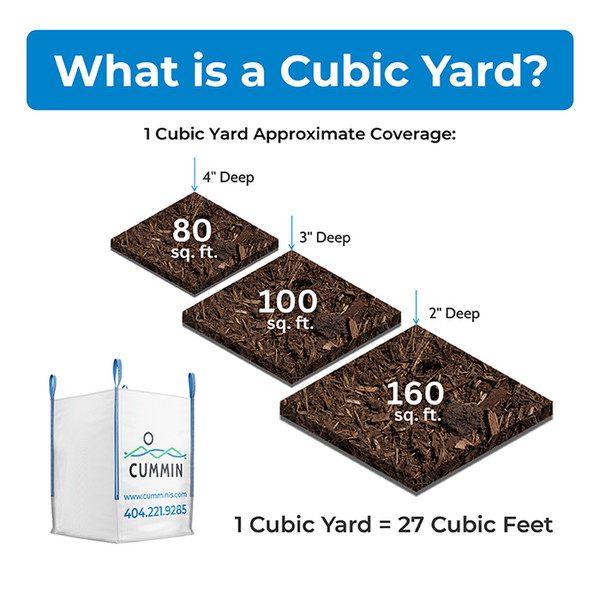
Image Source: www.cumminlandscapesupply.com
Deciphering Gravel Pricing: What Influences the Cost?
The price of gravel isn’t a single, fixed number. Several elements combine to determine the final bulk gravel cost. Let’s look at the key factors that influence how much you’ll pay for that cubic yard.
Type of Gravel: Not All Rocks Are Created Equal
The specific type of gravel you choose has a significant impact on its price. Different gravels are quarried from various rock types and have different compositions, textures, and uses.
- Crushed Stone: This is a very common and often less expensive option. It’s made by crushing larger rocks. The size of the crushed stone can vary, from fine dust to larger chunks. Prices for crushed stone typically range from $20 to $40 per cubic yard.
- Pea Gravel: Named for its small, rounded shape resembling peas, this gravel is popular for decorative landscaping, pathways, and drainage. Its smooth texture and attractive appearance make it slightly more costly than basic crushed stone. Expect to pay between $30 to $50 per cubic yard.
- River Rock: Similar to pea gravel but often larger and with a wider variety of colors and shapes, river rock is also used for landscaping and decorative purposes. The natural smoothing and aesthetic appeal can push the price up. Landscaping gravel cost for river rock can be anywhere from $40 to $70 per cubic yard.
- Decomposed Granite (DG): This fine, gravelly material is excellent for pathways and patios because it compacts well, creating a firm surface. Its unique properties can make it a bit pricier than standard crushed stone. The price of driveway gravel using DG can be around $30 to $60 per cubic yard.
- Specialty Gravels: Some gravels, like decorative colored stones or specific types of imported rock, can be significantly more expensive due to their rarity, processing, or aesthetic appeal. These can range from $50 to $100+ per cubic yard.
Quantity Matters: Bulk vs. Bagged
When purchasing gravel, you’ll often have the choice between buying it in bulk or in bags. This choice can dramatically affect the gravel price per yard.
- Bulk Gravel: Buying gravel in bulk means purchasing it by the cubic yard, typically delivered by a dump truck. This is the most cost-effective method for larger projects. When you buy in bulk, you are essentially getting the loose gravel price directly from the quarry or supplier. The per-cubic-yard price is usually lower because you’re cutting out the packaging and handling costs associated with bags.
- Bagged Gravel: Gravel sold in bags (typically weighing 50 lbs to 100 lbs) is convenient for smaller jobs, like filling a single planter or creating a small garden path. However, the gravel bag price vs bulk is almost always higher on a per-cubic-yard basis. You’re paying for the convenience of portability and pre-measured quantities. A bag of gravel might cost $5-$10, but to get a cubic yard, you’d need roughly 15-20 bags, which quickly adds up to a much higher total cost compared to buying in bulk.
Location, Location, Location: The Impact of Geography
Where you live plays a significant role in the cost of gravel.
- Proximity to Quarries: If you live near a gravel quarry, you’ll likely pay less. Transporting gravel is a major cost component, so the further you are from the source, the higher the price will be.
- Regional Pricing: Different regions have varying supply and demand for gravel. Areas with extensive construction or landscaping projects may see higher prices due to increased demand.
- Local Taxes and Permits: Local taxes, environmental regulations, and permit fees can also be factored into the final price of gravel in certain areas.
Delivery Costs: Bringing the Gravel to You
One of the biggest variables in the total cost of gravel is the gravel delivery price. This is an essential consideration, especially for bulk purchases.
- Delivery Fees: Most suppliers charge a delivery fee. This fee is often a flat rate per delivery or calculated based on the distance from the supplier to your location. A typical delivery fee might range from $50 to $150 or more.
- Minimum Order Requirements: Some suppliers may have minimum order quantities for delivery. If your project requires less than their minimum, you might need to pay an additional surcharge or arrange for pickup.
- Delivery Zones: Suppliers often have designated delivery zones. Deliveries outside these zones might incur higher fees or not be available at all.
Calculating Your Gravel Needs: How Much Do You Really Need?
Before you can figure out how much is 1 cubic yard of gravel, you need to know how many cubic yards your project requires. Accurately estimating your needs prevents overspending or running short.
The Role of a Gravel Volume Calculator
A gravel volume calculator is an invaluable tool for this process. These online calculators help you determine the cubic yardage needed based on your project’s dimensions: length, width, and depth.
To use a gravel volume calculator, you’ll typically need:
- Length: The longest side of your project area.
- Width: The shorter side of your project area.
- Depth: How thick you want the gravel layer to be.
It’s important to measure these dimensions accurately. For irregular shapes, you might need to break the area down into smaller, regular shapes (like rectangles or squares) and add their volumes together.
Standard Measurements and Conversions
Most gravel volume calculator tools will ask for measurements in feet. The output will be in cubic feet, which then needs to be converted to cubic yards.
- Conversion: 1 cubic yard = 27 cubic feet.
Most calculators will do this conversion for you, but it’s good to know the basic math.
Example Calculation:
Let’s say you want to build a pathway that is 10 feet long, 3 feet wide, and you want a gravel depth of 4 inches (which is 0.33 feet).
- Volume in Cubic Feet: 10 ft (length) × 3 ft (width) × 0.33 ft (depth) = 9.9 cubic feet.
- Volume in Cubic Yards: 9.9 cubic feet / 27 cubic feet per cubic yard = 0.367 cubic yards.
For a project like this, you would likely round up to the nearest half or full cubic yard to account for settling and any minor measurement inaccuracies. So, you might order 0.5 cubic yards or 1 cubic yard.
Estimating Depth for Different Projects
The required depth of gravel varies significantly depending on the application.
- Pathways and Patios: A depth of 2-4 inches is usually sufficient for pedestrian traffic.
- Driveways: For a functional driveway, a depth of 4-6 inches is recommended. For heavier vehicle traffic, up to 8-12 inches might be necessary, often laid in layers.
- Landscaping Beds: Garden beds might only require 2-3 inches of decorative gravel.
- French Drains: For drainage purposes, larger gravel or clean stone is used, with depths often specified by the project design.
Always consider the intended use and the weight the gravel will need to support.
The Price Breakdown: How Much Does Gravel Cost?
Now that we’ve explored the factors influencing gravel prices, let’s put some numbers to the cost of gravel. Keep in mind these are estimates and can vary widely.
Typical Gravel Prices Per Cubic Yard
Here’s a table illustrating typical price ranges for different types of gravel before delivery:
| Gravel Type | Average Price Per Cubic Yard (Material Only) |
|---|---|
| Crushed Stone | $20 – $40 |
| Pea Gravel | $30 – $50 |
| River Rock | $40 – $70 |
| Decomposed Granite | $30 – $60 |
| Specialty Gravels | $50 – $100+ |
Incorporating Delivery Costs
To get a more realistic total for bulk gravel cost, you must add delivery.
-
Scenario 1: Small project, close to quarry.
- 1 cubic yard of crushed stone: $30
- Delivery fee: $75
- Total Cost: $105
-
Scenario 2: Medium project, moderate distance.
- 2 cubic yards of pea gravel: $40/yard x 2 yards = $80
- Delivery fee: $100
- Total Cost: $180
-
Scenario 3: Larger project, specialized material.
- 5 cubic yards of river rock: $55/yard x 5 yards = $275
- Delivery fee: $125
- Total Cost: $400
This shows that gravel delivery price can significantly increase the overall expense. It’s always wise to get a quote that includes both the material and the delivery.
The Price of Driveway Gravel
When people talk about price of driveway gravel, they are usually referring to durable, compactable materials like crushed stone or decomposed granite. These are often priced at the lower to mid-range of the gravel spectrum because their primary function is structural rather than purely decorative.
- Base Layer: The foundation of a driveway often uses larger crushed stone for drainage and stability, priced around $25-$40 per cubic yard.
- Surface Layer: A top layer of smaller crushed stone or decomposed granite for a smoother finish might cost $30-$50 per cubic yard.
For a typical driveway (e.g., 1000 sq ft, 4 inches deep), you would need roughly 12-13 cubic yards.
* Material Cost: 12.5 yards x $35/yard (average) = $437.50
* Delivery Cost: Assume $100
* Total for Driveway Gravel (estimated): $537.50
This can escalate quickly with larger driveways or more expensive gravel types.
Landscaping Gravel Cost: Adding Beauty and Function
The landscaping gravel cost can be more varied due to the wider range of decorative options. While basic crushed stone can be used, many homeowners opt for more visually appealing types like pea gravel, river rock, or decorative colored stones to enhance their gardens, walkways, and water features.
- For a small garden bed (e.g., 50 sq ft, 3 inches deep), you’d need about 0.5 cubic yards.
- If you choose pea gravel at $40 per cubic yard plus a $75 delivery fee, the cost would be $40 x 0.5 + $75 = $95.
This highlights that for small quantities, delivery can often cost more than the material itself.
Tips for Saving Money on Gravel
Getting the best value for your gravel purchase requires a little planning and research.
Shop Around and Get Quotes
Don’t settle for the first quote you receive. Contact multiple local landscape supply yards, quarries, and even some home improvement stores to compare prices. Be sure to ask for quotes that include delivery if that’s what you need.
Time Your Purchase Wisely
Sometimes, prices can fluctuate seasonally. While not as pronounced as some other building materials, purchasing gravel during off-peak seasons might yield small savings. However, the primary driver will always be the type of gravel and delivery location.
Consider Pickup if Possible
If you have a truck or trailer capable of hauling bulk materials and your project is relatively small, picking up the gravel yourself can eliminate the gravel delivery price. This is a significant cost saver, especially for smaller quantities where the delivery fee could double the material cost.
Buy in Bulk When Appropriate
For larger projects, buying gravel by the cubic yard in bulk is almost always more economical than purchasing bags. Use a gravel volume calculator to accurately determine your needs and then place a single bulk order.
Ask About Delivery Minimums and Surcharges
If your project requires less than a full cubic yard, inquire about whether the supplier offers smaller delivery loads or if there are any surcharges for less-than-truckload deliveries. Sometimes, combining your order with a neighbor’s can help meet minimums and split delivery costs.
Frequently Asked Questions About Gravel Pricing
Here are some common questions people ask when trying to figure out the cost of gravel:
Q1: How much does one cubic yard of gravel weigh?
A1: The weight of one cubic yard of gravel varies depending on the type of rock and its density. However, a general estimate is between 2,000 to 2,500 pounds (1 to 1.25 tons). This is important if you’re planning to haul it yourself, as you’ll need to ensure your vehicle can handle the weight.
Q2: Is it cheaper to buy gravel in bulk or bags?
A2: Generally, it is much cheaper to buy gravel in bulk (by the cubic yard) than in bags. You’re paying for the material itself without the added costs of packaging and individual handling. The gravel bag price vs bulk difference can be substantial.
Q3: What is the most affordable type of gravel?
A3: The most affordable type of gravel is typically basic crushed stone, often referred to as ‘crusher run’ or ‘road base.’ Its price is driven by its common availability and simpler processing compared to decorative stones.
Q4: How much does gravel delivery cost per load?
A4: The gravel delivery price varies greatly by location and supplier. Expect to pay anywhere from $50 to $150 or more per delivery. This fee is for the truck and driver, regardless of how many cubic yards are on the truck (up to its capacity).
Q5: Can I use the gravel from a construction site?
A5: While tempting, using gravel from construction sites without explicit permission or proper sourcing can lead to legal issues and may result in receiving unsuitable material. It’s always best to purchase gravel from reputable suppliers who can guarantee its quality and suitability for your project.
Q6: How do I calculate how many cubic yards of gravel I need for a driveway?
A6: To calculate the amount of gravel for a driveway, you’ll need its length, width, and the desired depth of the gravel layer. Use a gravel volume calculator or the formula: (Length x Width x Depth) / 27. Ensure all measurements are in feet before dividing by 27 to get cubic yards. For driveways, a depth of 4-6 inches is common.
Q7: What’s the difference between gravel and stone?
A7: In landscaping and construction, the terms ‘gravel’ and ‘stone’ are often used interchangeably. However, ‘gravel’ typically refers to smaller, fragmented pieces of rock (often less than 2 inches), while ‘stone’ can refer to larger rocks or specifically quarried and shaped stones. For pricing, the categories above (crushed stone, pea gravel, river rock) cover the common materials.
Q8: How deep should gravel be for a garden path?
A8: For a garden path that is mainly for walking and not heavy traffic, a depth of 2-3 inches is usually sufficient. This provides a stable surface and a pleasant aesthetic without being overly deep or costly.
Conclusion: Investing in Your Project
When you ask how much is 1 cubic yard of gravel, you’re asking about an investment in your property’s functionality and appearance. The cost of gravel can range significantly, from about $20 for basic crushed stone at the quarry to upwards of $75 or more when considering specialized types and delivery fees. By carefully considering the type of gravel, your project’s needs, local pricing, and delivery costs, you can accurately budget and make informed decisions. Utilizing tools like a gravel volume calculator and shopping around for the best gravel price per yard will ensure you get the most value for your money. Whether it’s for a durable driveway or a charming garden path, knowing the intricacies of gravel pricing helps bring your project to life efficiently and affordably.