
So, how long can a lawn go without water? A healthy lawn, especially one accustomed to regular watering, can typically survive for about 2-4 weeks without water under moderate conditions before showing significant signs of stress. However, this can vary greatly depending on grass type, soil, temperature, and rainfall.
A parched lawn might seem like a lost cause, but most grasses possess remarkable resilience. The ability of a lawn to withstand dry spells is often referred to as its drought tolerance. Knowing how long your specific lawn can go without water is crucial for effective lawn care tips and for making informed decisions during periods of water restriction or scarcity. This guide will delve into the factors influencing lawn survival, the signs of water stress, and how to drought-proof your green space.
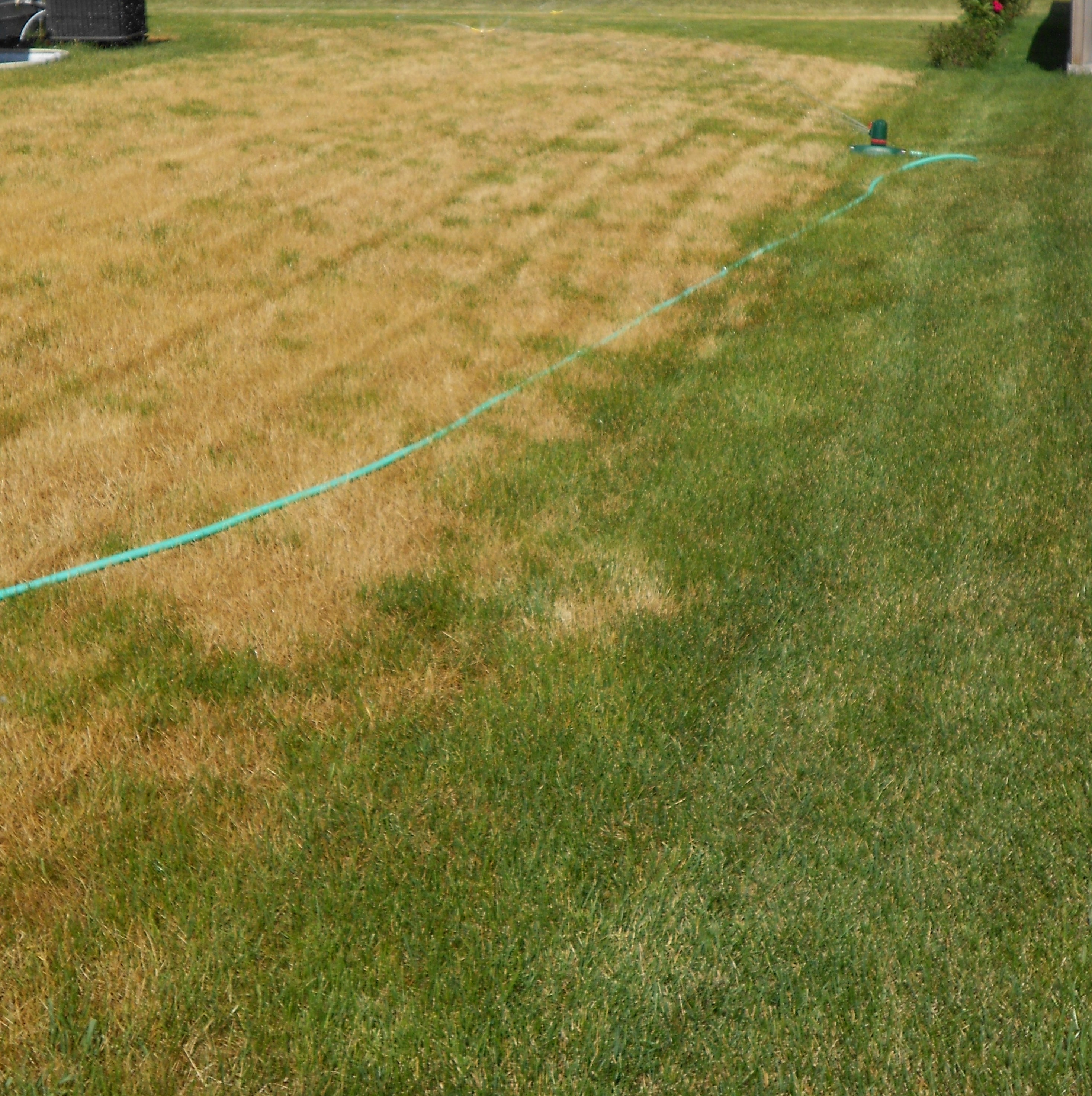
Image Source: extension.illinois.edu
Fathoming Turfgrass Survival
The lifespan of a lawn without water isn’t a fixed number; it’s a dynamic interplay of several environmental and biological factors. Each blade of grass is a living organism with specific needs, and its ability to endure drought is a testament to nature’s ingenuity.
Grass Type Matters for Drought Tolerance
Different types of grass have evolved distinct strategies for surviving dry periods. Some are naturally better equipped to handle the absence of rain or irrigation than others.
- Cool-Season Grasses: These grasses, like Kentucky bluegrass, perennial ryegrass, and fescues, are best suited for cooler climates. They tend to go dormant in hot, dry weather. While they can survive periods without water by shutting down their metabolic processes, prolonged drought will eventually kill them. Their drought tolerance is generally lower than warm-season grasses.
- Warm-Season Grasses: Species such as Bermuda grass, Zoysia grass, and St. Augustine grass thrive in warmer climates. They have deeper root systems, allowing them to access moisture deeper in the soil. When conditions become dry, they also go dormant, turning brown, but they can often recover more quickly once water becomes available. Their drought tolerance is typically higher.
Table 1: Drought Tolerance of Common Grass Types
| Grass Type | Climate | Drought Tolerance | Dormancy Tendency |
|---|---|---|---|
| Kentucky Bluegrass | Cool | Moderate | High |
| Perennial Ryegrass | Cool | Moderate | Moderate |
| Tall Fescue | Cool | Good | Moderate |
| Fine Fescues | Cool | Very Good | High |
| Bermuda Grass | Warm | Very Good | High |
| Zoysia Grass | Warm | Excellent | High |
| St. Augustine | Warm | Good | Moderate |
Soil Composition: The Foundation of Resilience
The type of soil in your lawn plays a pivotal role in how long it can last without water. Soil acts as a reservoir, holding moisture for plant roots.
- Sandy Soils: These soils drain very quickly, meaning water doesn’t stay around for long. Lawns in sandy soil will likely show signs of water stress sooner and require more frequent watering during dry spells. Their drought tolerance is lower due to poor water retention.
- Clay Soils: Clay soils hold onto moisture much longer, acting like a sponge. While this is beneficial during dry periods, poorly draining clay can lead to root rot if overwatered. Lawns in clay soil can often go longer without water, exhibiting better lawn survival in dry spells.
- Loam Soils: A mixture of sand, silt, and clay, loam soils offer a good balance of drainage and water retention, making them ideal for most grasses and contributing to better drought tolerance.
Weather and Environmental Factors
The external environment significantly dictates how quickly a lawn will succumb to thirst.
- Temperature: Higher temperatures increase evaporation from the soil surface and transpiration from the grass blades. During a heatwave effects, a lawn will use water much faster, reducing its lawn survival time.
- Wind: Windy conditions can exacerbate water loss from the soil and plants, accelerating the onset of water stress.
- Sunlight: Intense, prolonged sunlight means more photosynthesis and thus, more water usage by the grass.
- Humidity: Low humidity increases the rate of evaporation from both the soil and plant surfaces.
Deciphering Signs of Water Stress
Observing your lawn for subtle changes is key to proactive lawn care tips. Recognizing the early signs of water stress allows you to intervene before permanent damage occurs.
Early Indicators of Thirst
Before the grass turns completely brown, there are several visual cues that your lawn is in need of hydration.
- Footprint Persistence: Walk across your lawn. If your footprints remain visible in the grass for an extended period, it’s a sign that the grass blades lack the moisture and turgor to spring back up.
- Color Changes: The vibrant green of a healthy lawn may start to fade to a duller, bluish-green. This is an initial indication that the grass is conserving moisture.
- Leaf Blade Curling: Grass blades will often curl inwards or fold along their length in an attempt to reduce surface area exposed to the sun and minimize water loss. This is a very common sign of water stress.
Advanced Signs of Drought
As water stress intensifies, the lawn’s condition deteriorates, and the risk to lawn survival increases.
- Wilting: The grass blades will start to droop and lie flat, losing their upright posture. This is a more severe symptom than curling.
- Brown Patches: As the grass dehydrates, it will begin to turn brown. These patches can start small and expand if the dry conditions persist.
- The Wilting Point: This is the critical stage where the grass has lost so much internal moisture that it can no longer support its own structure, and irreversible damage may occur. Reaching the wilting point means the plant is severely stressed, and lawn survival becomes questionable.
Table 2: Stages of Lawn Water Stress
| Stage | Visual Indicators | Action Required |
|---|---|---|
| Initial | Dull, bluish-green color; footprint persistence | Monitor closely; consider a light watering |
| Moderate | Leaf blades begin to curl or fold; slight wilting | Water deeply and less frequently |
| Severe | Widespread wilting; significant brown patches | Water deeply; adjust watering schedule if needed |
| Critical | Grass is brittle, straw-like; permanent browning | Immediate deep watering; recovery may be slow |
Drought-Proofing Your Green Space: Proactive Lawn Care
Instead of reacting to drought, a proactive approach can significantly improve your lawn’s drought tolerance and ensure its lawn survival. Implementing these lawn care tips can make a substantial difference.
Smart Watering Strategies
The way you water your lawn is as important as how much you water.
- Water Deeply and Infrequently: This is perhaps the most crucial principle of effective watering. Encourage deeper root growth by watering thoroughly but less often. Shallow, frequent watering promotes shallow roots that are more susceptible to drought. Aim to moisten the soil to a depth of 4-6 inches.
- Timing is Everything: Water your lawn in the early morning hours (between 4 am and 10 am). This minimizes water loss due to evaporation from sun and wind. Watering in the evening can leave the grass wet overnight, which can promote fungal diseases.
- Adjust Your Watering Schedule: Don’t stick to a rigid watering schedule. Instead, water based on the needs of your lawn, considering rainfall, temperature, and the visible signs of water stress. Many modern sprinkler systems offer rain sensors and smart controllers that can automatically adjust watering based on weather conditions.
- Observe Rainfall: If you receive adequate rainfall, there’s no need to water. Use a rain gauge to track precipitation.
Enhancing Soil Health for Better Water Retention
Healthy soil is the bedrock of a resilient lawn. Improving your soil’s structure will directly impact its ability to hold moisture.
- Aeration: This process involves removing small plugs of soil, which relieves compaction and allows water, air, and nutrients to penetrate the root zone more effectively. Aerating annually or biennially can significantly improve soil structure and water infiltration, boosting drought tolerance.
- Dethatching: A thick layer of thatch (dead grass clippings and organic matter) can prevent water from reaching the soil. Removing thatch allows for better moisture absorption.
- Topdressing: Applying a thin layer of compost or good quality topsoil can improve soil structure and water-holding capacity over time.
Mowing Practices for Drought Resilience
Your mowing habits can influence how well your lawn copes with dry periods.
- Mow Higher: Set your mower to a higher cutting height, especially during hot, dry weather. Taller grass shades the soil, reducing evaporation and keeping the roots cooler. This promotes better lawn survival.
- Sharp Mower Blades: Dull mower blades tear grass blades, creating ragged edges that lose more moisture and are more susceptible to disease and stress. Keep your mower blades sharp.
- Leave Grass Clippings: When you mow, leave the clippings on the lawn (unless they are excessively long or clumpy). These clippings act as a natural mulch, helping to retain soil moisture and returning valuable nutrients to the soil.
Seed Selection: Investing in Drought-Tolerant Varieties
When establishing a new lawn or overseeding an existing one, choosing the right grass seed is paramount for long-term drought tolerance.
- Research Local Varieties: Consult with your local extension office or a reputable nursery to identify grass varieties that are well-suited to your region’s climate and typically exhibit good drought tolerance.
- Consider Blends: Often, a blend of different grass types can provide a more resilient lawn, as some species might perform better under specific conditions than others.
Experiencing a Heatwave Effects? How to Cope
During prolonged periods of high temperatures and no rainfall, a heatwave effects can put immense pressure on your lawn. Here’s how to manage your irrigation needs and protect your turf.
Prioritizing Watering
When water is scarce, you’ll need to make tough decisions about where to focus your watering efforts.
- Watering Established Lawns: Established lawns are more likely to survive than new sod or seed. If you have limited water, focus on keeping your established lawn alive, even if it means letting newer areas suffer.
- Watering New Lawns/Seed: New lawns are extremely vulnerable. They have shallow root systems and need consistent moisture to establish. If you have newly seeded areas or sod, prioritize watering them to prevent complete loss.
Conserving Water During a Heatwave
Every drop counts when the mercury rises.
- Reduce Mowing: Avoid mowing during extreme heat. It’s an unnecessary stressor for already struggling grass.
- Avoid Fertilizing: Never fertilize a lawn that is already showing signs of drought stress. Fertilizers encourage growth, which requires more water.
- Temporary Brownout: It’s often better to let the lawn go dormant and turn brown during a severe heatwave effects than to try and keep it green with inadequate watering. A dormant lawn is not dead; it’s conserving resources. Once the heat breaks and rain returns, it will likely green up again.
Managing Dormancy: A Natural Survival Mechanism
Dormancy is a natural survival strategy for many grasses. It’s a period of reduced metabolic activity in response to environmental stress, most commonly drought or extreme heat.
What is Dormancy?
When a lawn enters dormancy, it’s not dead. The above-ground parts of the plant stop growing and turn brown, but the crown and roots remain alive, waiting for favorable conditions to return. This is a natural way for turfgrass to conserve energy and water.
Recovering from Dormancy
The key to successful recovery from dormancy is to ensure the grass crowns and roots remain viable.
- Minimal Watering: Even dormant lawns need a small amount of moisture to keep the crown and roots alive. Applying about 0.5 inches of water every 3-4 weeks during extended dry periods can help prevent the crown from drying out.
- Avoid Traffic: Minimize foot traffic and other stresses on a dormant lawn. The grass is brittle and easily damaged.
- Post-Dormancy Care: Once temperatures cool and rainfall returns, your lawn will begin to green up. You may need to reseed thin or bare patches and adjust your watering schedule to encourage recovery.
Frequently Asked Questions (FAQs)
Q1: Can I water my lawn during a water ban?
This depends entirely on your local regulations. Many water bans have exceptions for essential watering of new sod or seed, or for maintaining the health of established landscapes. Always check with your local municipality or water authority for specific rules.
Q2: How can I tell if my lawn is truly dead or just dormant?
If the grass turns brown and brittle, and remains so after a good watering once temperatures cool down, it might be dead. If it greens up after a rain or irrigation, it was likely just dormant. You can also scratch a small brown patch with a trowel. If you see green underneath, the roots are still alive.
Q3: Is it better to water my lawn every day or once a week?
For established lawns, it’s almost always better to water deeply and infrequently, such as once or twice a week, depending on the grass type and weather. Daily watering encourages shallow root growth, making the lawn more susceptible to drought.
Q4: My neighbor keeps their lawn green all summer. Should I be watering more?
Your neighbor might have a different grass type, soil, or a much more intensive watering system. Focus on what’s best for your lawn’s health and your local water conservation goals. Overwatering can be just as detrimental as underwatering.
Q5: When is the best time to plant grass seed to avoid drought issues?
Fall is generally the best time to plant grass seed in cooler climates, as it allows the new grass to establish roots during cooler, moister weather before summer heat arrives. In warmer climates, spring or early fall can be suitable.
By following these lawn care tips, you can create a more resilient and drought-proof green space that requires less water and can better withstand dry spells, ensuring its continued lawn survival and overall turfgrass health.