
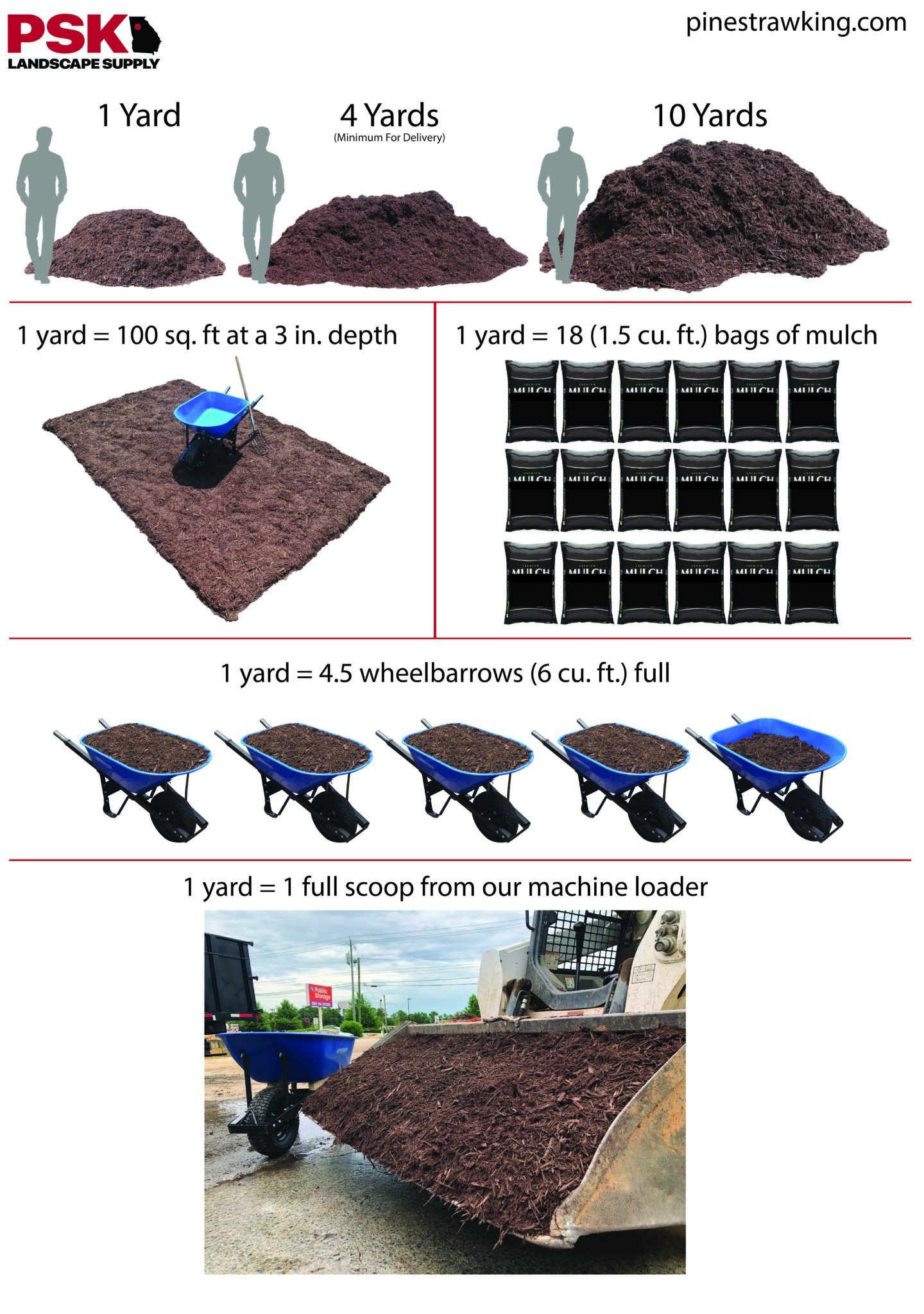
Image Source: pinestrawking.com
How Heavy Is A Yard Of Mulch? The Truth About Mulch Weight
A yard of mulch can weigh anywhere from 300 pounds to over 1,000 pounds. The exact weight of a cubic yard of mulch depends on the type of material, its moisture content, and its density.
Deciphering the weight of mulch might seem straightforward, but it’s a question many gardeners and landscapers ponder when planning their projects. You’ve likely heard the term “yard of mulch” thrown around, but what is a yard of mulch? Essentially, it’s a measurement of volume, specifically one cubic yard, which is equivalent to 3 feet by 3 feet by 3 feet. This is the standard way mulch is sold in bulk. Knowing how much does mulch weigh is crucial for several reasons, from figuring out how much your truck can safely carry to understanding the labor involved in spreading it. This detailed guide will explore the factors influencing mulch weight, provide average figures, and help you with estimating mulch weight for your next landscaping endeavor.
Fathoming Mulch Density: The Core of Weight Variation
The primary reason why a yard of mulch can have such a wide weight range lies in its mulch density. Density refers to how much mass is packed into a given volume. Think of it like comparing a bag of feathers to a bag of rocks of the same size – the rocks are much heavier because they are denser. Similarly, different types of mulch have different inherent densities.
Several factors contribute to the overall density of mulch:
- Material Type: The raw material from which the mulch is made is the biggest determinant of its density.
- Particle Size: Smaller, finer particles generally pack more tightly than larger, coarser ones, impacting how much can fit into a cubic yard.
- Moisture Content: This is a significant variable. Wet mulch is considerably heavier than dry mulch.
- Processing and Compaction: How the mulch is processed and how it’s handled after production can also affect how densely it packs.
How Much Does Mulch Weigh? A Breakdown by Material
To accurately gauge how much does mulch weigh, we need to look at the most common types of mulch and their typical weight ranges per cubic yard. These figures are averages and can fluctuate based on the previously mentioned factors.
Wood Mulches
Wood mulches are incredibly popular due to their aesthetic appeal and beneficial properties for soil. However, their weight can vary significantly.
- Pine Bark Mulch: This is often one of the lighter options. Dry pine bark mulch typically weighs between 300 to 500 pounds per cubic yard. Its natural buoyancy and fibrous structure contribute to its lower density. When wet, it can absorb a considerable amount of water, increasing its weight.
- Cypress Mulch: Similar to pine bark, cypress mulch is relatively lightweight. Its shredded nature allows for good aeration. Dry cypress mulch usually falls in the 350 to 550 pounds per cubic yard range.
- Cedar Mulch: Cedar mulch is known for its aromatic properties and durability. It tends to be a bit denser than pine or cypress. Expect dry cedar mulch to weigh around 400 to 600 pounds per cubic yard.
- Shredded Hardwood Mulch: This is a very common choice, made from various hardwood species. Its weight can be more variable depending on the specific wood used. A cubic yard of dry shredded hardwood mulch typically weighs between 500 to 800 pounds. The finer the shredding, the more it can compact and thus increase its weight.
- Wood Chips (large, coarse): Larger wood chips, especially those from deciduous trees, are less dense because there’s more air space between the pieces. Dry, coarse wood chips might weigh around 400 to 700 pounds per cubic yard.
- Black Walnut Mulch: While less common, walnut mulch can be quite heavy due to the density of the wood. Calculating mulch weight for this type could push it towards the higher end of wood mulch weights.
Other Common Mulch Types
Beyond wood-based options, other materials are used as mulch, each with its own weight characteristics.
- Composted Bark Mulch: This type of mulch has undergone decomposition, which can alter its density. Depending on the composting process and the original material, it can range from 600 to 900 pounds per cubic yard when dry.
- Rubber Mulch: Made from recycled tires, rubber mulch is surprisingly light. A cubic yard of rubber mulch typically weighs between 400 to 600 pounds. It doesn’t absorb water like organic mulches, so its weight remains relatively consistent.
- Straw or Hay Mulch: Often used for seasonal cover crops or vegetable gardens, straw and hay are very lightweight when dry. A cubic yard of dry straw or hay mulch might only weigh 100 to 200 pounds. However, they compact significantly when wet and can become much heavier.
- Leaf Mulch: Composted leaves are relatively light, especially when dry and fluffed. A cubic yard could weigh anywhere from 200 to 400 pounds.
The Impact of Moisture: A Heavy Consideration
The single biggest factor that can drastically alter mulch weight per cubic yard is moisture content. Organic mulches, particularly wood-based ones, are porous and can absorb water like a sponge.
- Dry Mulch: As discussed, dry mulch will weigh at the lower end of the ranges provided.
- Damp Mulch: If mulch has been exposed to rain or is stored in humid conditions, it will absorb moisture and become heavier.
- Saturated Mulch: Mulch that is thoroughly soaked can easily double or even triple its weight. Imagine trying to lift a cubic yard of wet sawdust versus dry sawdust – the difference is stark.
When you buy mulch in bulk, especially from a landscape supplier, it’s often delivered with a variable moisture content. This is why relying solely on the “dry weight” figures can sometimes lead to an underestimation of what you’re actually hauling.
Calculating Mulch Weight: Tools and Techniques
Knowing how to calculate mulch weight is essential for planning. Whether you’re loading it into a truck, trailer, or just trying to figure out how much work is involved, having an estimate is key.
Using a Mulch Weight Calculator
For convenience, many online resources offer a mulch weight calculator. These tools typically ask you to input the type of mulch and the desired volume (in cubic yards). They then provide an estimated weight based on pre-programmed average densities for different mulch types. These are excellent for quick estimations.
Manual Estimation Methods
If you don’t have access to a calculator, you can perform your own estimations:
- Identify Mulch Type: Determine the specific type of mulch you are using (e.g., shredded hardwood, pine bark).
- Find Average Density: Consult tables or online resources for the average density of that mulch type (usually listed in pounds per cubic yard when dry).
- Consider Moisture: Make an educated guess about the moisture content. If it appears very dry, use the lower end of the density range. If it looks damp or has been recently rained on, you might increase the estimated weight by 25-50% or more.
- Calculate: Multiply the volume (in cubic yards) by the estimated density (in pounds per cubic yard).
Formula for calculating mulch weight:
Estimated Weight (lbs) = Volume (cubic yards) × Estimated Density (lbs/cubic yard)
For example, if you need 5 cubic yards of shredded hardwood mulch that appears moderately moist, and you estimate its density to be 700 lbs/cubic yard, your calculation would be:
5 cubic yards × 700 lbs/cubic yard = 3500 lbs
This manual method involves more estimating mulch weight and is less precise than using a specialized tool, but it’s effective for practical purposes.
The Significance of Cubic Yard of Mulch Weight
Why is knowing the cubic yard of mulch weight so important?
- Transportation Safety: Overloading a vehicle, whether it’s a pickup truck or a trailer, is dangerous. Knowing the weight of your mulch helps ensure you don’t exceed your vehicle’s payload capacity, which can lead to tire blowouts, brake failure, or loss of control. For instance, a typical half-ton pickup truck might have a payload capacity of around 1,500-2,000 pounds. Hauling just 3 cubic yards of dense, wet hardwood mulch (at 800 lbs/yard) could put you at 2,400 pounds, exceeding the capacity.
- Labor and Equipment: Heavier mulch requires more physical effort to move and spread. It also puts more strain on shovels, wheelbarrows, and spreading equipment.
- Cost Comparison: While mulch is usually sold by the cubic yard (volume), understanding its weight can sometimes shed light on value. However, be cautious, as very dense mulch might break down faster or not provide the same aeration benefits as lighter options.
- Soil Health: While not directly about weight, understanding the volume of mulch you need is about covering your garden beds appropriately. Too little won’t provide the desired benefits, and too much can sometimes smother plants. However, the weight comes into play when you consider how much of that volume you can physically manage.
Average Mulch Weight: A General Guide
To provide a quick reference, here’s a table summarizing the average mulch weight for common types when dry. Remember these are estimates, and moisture content can significantly increase these figures.
| Mulch Type | Average Dry Weight (lbs/cubic yard) |
|---|---|
| Pine Bark | 300 – 500 |
| Cypress | 350 – 550 |
| Cedar | 400 – 600 |
| Shredded Hardwood | 500 – 800 |
| Coarse Wood Chips | 400 – 700 |
| Composted Bark | 600 – 900 |
| Rubber Mulch | 400 – 600 |
| Straw / Hay | 100 – 200 |
| Leaf Mulch | 200 – 400 |
This table helps in quickly referencing the weight of mulch per cubic yard for different materials. When you’re planning a project, having these figures readily available aids in accurate mulch volume to weight conversions.
How to Best Use Your Mulch Knowledge
Armed with this information about how heavy is a yard of mulch, you can approach your landscaping projects with more confidence and preparedness.
- Plan your transport: If you’re picking up mulch yourself, know your vehicle’s capacity. You might need multiple trips or a larger truck if you’re buying many yards.
- Prepare your spreading crew: If you have helpers, let them know that mulch can be surprisingly heavy, especially if it’s damp.
- Budget for handling: Consider if you’ll need to rent equipment like a skid steer or a powerful wheelbarrow if you’re dealing with a large volume of heavy mulch.
Frequently Asked Questions About Mulch Weight
Q: How much does a cubic yard of mulch weigh if it’s wet?
A: Wet mulch can be significantly heavier than dry mulch. For many organic mulches, doubling the dry weight is a good rule of thumb for saturated conditions, so a 500 lb/yard mulch could weigh up to 1000 lbs when wet.
Q: Is there a standard weight for a yard of mulch?
A: No, there isn’t a single standard weight because it varies so much by type and moisture content. However, general ranges are available to help with estimations.
Q: How do I calculate the volume of mulch I need?
A: Measure the length, width, and desired depth of your mulched area in feet. Multiply these numbers together to get cubic feet. Then, divide by 27 (since there are 27 cubic feet in a cubic yard) to get the total cubic yards needed.
Q: Will mulch get lighter as it decomposes?
A: Yes, as organic mulch decomposes, it breaks down into smaller particles and can lose some of its mass over time, becoming lighter and more integrated with the soil.
Q: Can I get mulch delivered by weight instead of volume?
A: Typically, mulch is sold by the cubic yard (volume) because it’s easier to measure and consistent in how it’s bagged or delivered in bulk. However, some large commercial suppliers might offer custom pricing based on weight for very large orders.
By thoroughly exploring how heavy is a yard of mulch, its various influencing factors, and how to perform calculating mulch weight, you’re well-equipped for your next landscaping project. Remember, accurate estimations of mulch weight per cubic yard will save you time, effort, and ensure safety.