
The cost to put in a new lawn can vary greatly, but typically ranges from $1,500 to $7,000, with most homeowners spending around $3,000. This price depends on factors like the size of your yard, the method of installation (seeding, sodding, or artificial turf), and the quality of materials used.
Many homeowners wonder about the new lawn cost. Creating a beautiful, green space is a dream for many. Whether you’re starting from scratch or revitalizing an existing patchy yard, knowing the financial commitment is key. This guide will break down the various components that contribute to the lawn installation cost and help you plan your project. We’ll explore different methods, material choices, and additional factors that can influence your final bill.
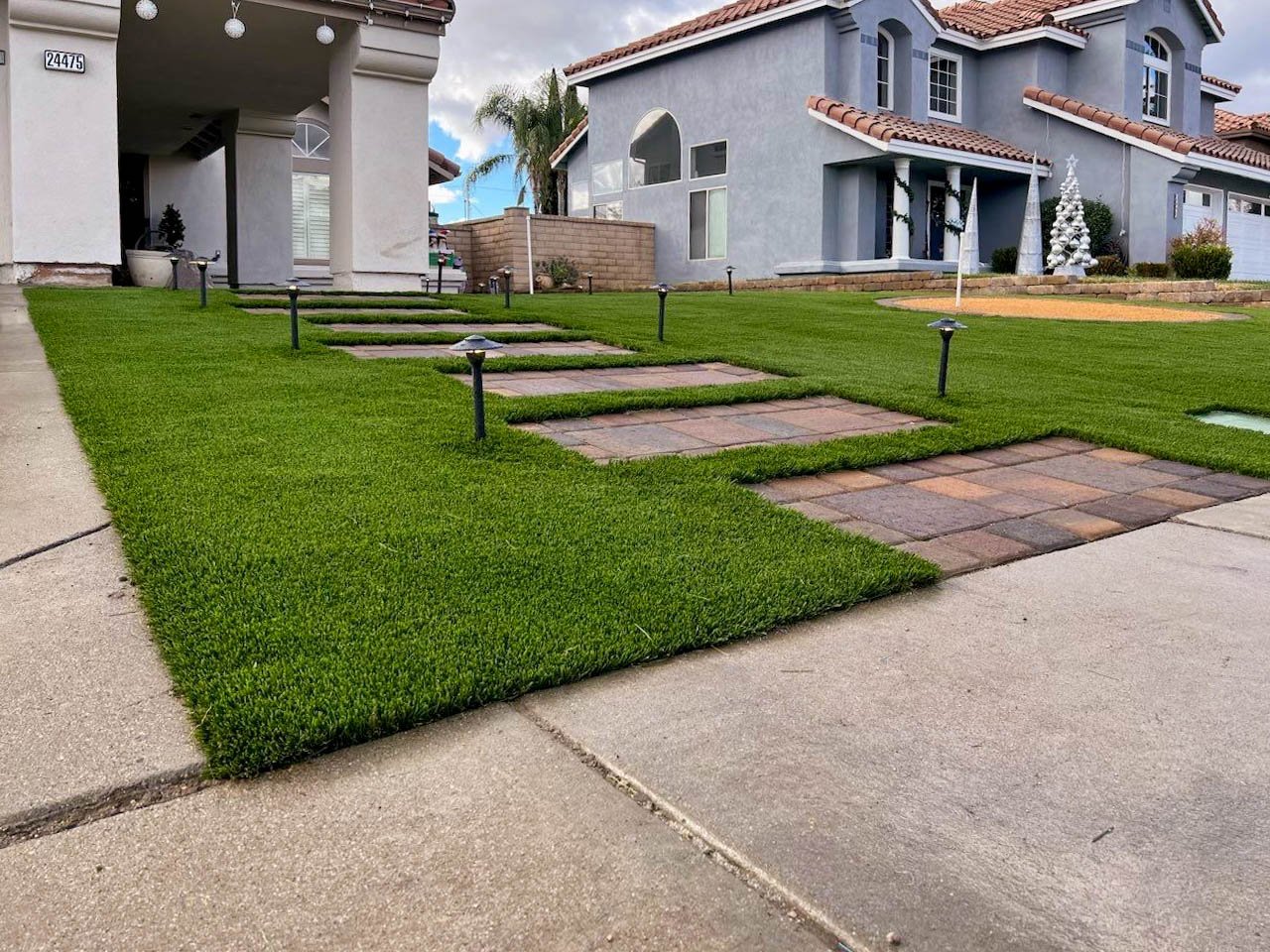
Image Source: blog.biltrightturf.com
Deciphering the Factors Influencing Lawn Installation Cost
Several elements play a significant role in determining the overall price of installing a new lawn. It’s not just about the grass itself; the preparation, your location, and the chosen installation method all add up.
Yard Size: The Primary Cost Driver
The most obvious factor influencing your grass installation price is the size of the area you want to cover. Larger yards require more materials, more labor, and more time to complete.
- Small Yards (under 1,000 sq ft): These are generally more affordable, often falling in the lower end of the price spectrum.
- Medium Yards (1,000 – 5,000 sq ft): This is where costs start to increase noticeably.
- Large Yards (over 5,000 sq ft): Expect significantly higher expenses for larger properties.
To get an accurate estimate, you’ll need to measure your yard. Most landscaping cost estimator tools can help you input these measurements for a ballpark figure.
Installation Method: Seeding vs. Sodding vs. Artificial Turf
The way you choose to install your lawn will have a substantial impact on the lawn installation cost. Each method comes with its own set of advantages, disadvantages, and associated prices.
Seeding a Lawn
Seeding is often the most budget-friendly option upfront. It involves spreading grass seeds over prepared soil.
How it works:
1. Soil Preparation: The ground is tilled, aerated, and often amended with topsoil and fertilizer.
2. Seeding: Grass seeds are spread evenly.
3. Watering: Consistent watering is crucial for germination.
4. Growth: It takes several weeks for the grass to establish.
Pros:
* Lower initial cost.
* Wider variety of grass types available.
* Can adapt to various soil conditions.
Cons:
* Takes longer to establish a mature lawn.
* More susceptible to weeds and pests during early growth.
* Requires diligent watering and care in the initial stages.
Seeding Lawn Cost: The seeding lawn cost typically ranges from $0.10 to $0.50 per square foot, depending on the quality of the seed and any necessary soil amendments. For a 1,000 sq ft yard, this could be $100 to $500 for seed and basic prep.
Sodding a Lawn
Sodding involves laying down pre-grown grass mats. This method provides an instant, mature lawn.
How it works:
1. Soil Preparation: Similar to seeding, the soil needs to be prepared, leveled, and fertilized.
2. Sod Delivery: Large rolls or pallets of sod are delivered.
3. Installation: Sod pieces are laid out like a carpet, often with staggering seams.
4. Watering: Immediate and thorough watering is essential.
Pros:
* Instant results – a fully established lawn.
* Helps prevent soil erosion.
* Reduces weed growth initially.
Cons:
* Higher initial cost than seeding.
* Sod needs to be installed quickly after delivery to prevent it from drying out.
* Limited variety of grass types available at local suppliers.
Sod Cost Per Square Foot: The sod cost per square foot typically ranges from $1.00 to $2.00. This includes the cost of the sod itself and basic installation. For a 1,000 sq ft yard, you might spend between $1,000 and $2,000.
Artificial Turf Installation
Artificial turf offers a low-maintenance, always-green solution. While the initial investment is higher, it can offer long-term savings.
How it works:
1. Site Preparation: This involves excavation, leveling, and creating a solid base, often with gravel and sand.
2. Weed Barrier: A fabric is laid to prevent weeds.
3. Turf Laying: The artificial turf rolls are cut and placed.
4. Infill Application: Sand or rubber granules are spread and brushed into the turf to help it stand up and provide cushioning.
5. Edging: The turf is secured around the perimeter.
Pros:
* Extremely low maintenance (no mowing, watering, or fertilizing).
* Durable and long-lasting.
* Provides a consistent green appearance year-round.
* Good for areas with poor drainage or extreme weather.
Cons:
* High upfront cost.
* Can get hot in direct sunlight.
* Requires specialized installation.
* Environmental concerns regarding plastic and drainage.
Artificial Turf Installation Cost: The artificial turf installation cost can range from $5 to $15 per square foot, or even higher for premium products and complex installations. For a 1,000 sq ft yard, this could be $5,000 to $15,000 or more.
Material Quality and Type
The type and quality of the materials used will also impact the overall lawn installation cost.
Grass Seed
- Basic Seed Mixes: Often contain fescues and ryegrass. These are generally the cheapest but may not be as hardy or attractive.
- Premium Seed Blends: May include higher-quality ryegrass, fescues, or even Kentucky bluegrass, which offer better color, durability, and disease resistance. These are more expensive.
- Specialty Seeds: For shade, drought tolerance, or high-traffic areas, specialized seeds will cost more.
Sod
- Grass Type: Different grass varieties have different price points. For example, some types of sod might be more readily available and thus cheaper than others.
- Quality: High-quality sod will be dense, weed-free, and healthy. Lower-quality sod might be thinner or contain weeds.
Artificial Turf
- Pile Height: The length of the artificial grass blades. Longer blades can be more expensive.
- Face Weight: The density of the turf fibers. Higher face weights generally mean a more durable and realistic-looking product, and thus a higher cost.
- Blade Type: Different blade shapes (e.g., C-shaped, S-shaped) can affect how well the turf stands up and its cooling properties, influencing price.
- Backing Material: The quality of the backing contributes to durability and drainage.
- Infill: The type of infill (sand, rubber, organic materials) can also affect the cost.
Site Preparation and Soil Conditions
The condition of your existing soil and the site itself significantly impacts the preparation work needed, directly affecting the new lawn cost.
Existing Lawn Removal
If you have an old, overgrown, or dead lawn, you’ll likely need to remove it before installing a new one. This can be done manually, mechanically, or using herbicides.
- Manual Removal: Labor-intensive, usually done for small areas.
- Mechanical Removal: Using sod cutters or tillers. This is more efficient for larger areas.
- Herbicide Treatment: Requires time for the grass to die and decompose.
Soil Grading and Leveling
Uneven terrain can be a problem. Grading ensures proper drainage and a level surface for your new lawn. This often requires specialized equipment and expertise, adding to the landscaping cost estimator for your project.
Soil Amendment
Healthy soil is crucial for a thriving lawn. This might involve:
- Topsoil: Adding a layer of new topsoil to improve soil structure and fertility.
- Compost/Organic Matter: Incorporating compost or other organic materials to enhance soil health and water retention.
- pH Adjustment: Testing soil pH and adding lime or sulfur to correct it.
- Fertilizers: Adding starter fertilizers to promote root growth.
The amount and type of amendments needed will depend on your existing soil’s condition.
Labor Costs
Professional installation is often recommended, especially for sodding and artificial turf. Labor costs vary by region and the complexity of the job.
- Seeding: Generally requires less labor than sodding or turf installation.
- Sodding: Requires more labor to lay the sod evenly and efficiently.
- Artificial Turf: The most labor-intensive, involving excavation, base preparation, precise cutting, and infill application.
When getting quotes from a landscaping cost estimator, ensure they clearly break down labor charges.
Additional Landscaping Elements
Your lawn installation cost can also increase if you decide to incorporate other landscaping features simultaneously.
- Edging: Installing borders along walkways, driveways, or garden beds.
- Irrigation Systems: Installing sprinklers or a drip irrigation system for efficient watering.
- Drainage Solutions: Addressing any water pooling issues with French drains or grading adjustments.
- Hardscaping: Incorporating patios, walkways, or retaining walls.
These additions will increase the overall landscaping cost estimator figures but can enhance the functionality and aesthetics of your yard.
Comparing Installation Methods: A Cost Breakdown
Let’s look at a more detailed cost comparison for a standard 1,000 sq ft lawn. These are approximate figures and can vary significantly.
Table: Estimated Lawn Installation Costs for 1,000 sq ft
| Feature | Seeding (Budget) | Seeding (Premium) | Sodding (Standard) | Artificial Turf (Mid-Range) |
|---|---|---|---|---|
| Site Prep | $100 – $300 | $150 – $400 | $200 – $500 | $500 – $1,500 |
| Seed Cost | $50 – $150 | $100 – $300 | N/A | N/A |
| Sod Cost | N/A | N/A | $1,000 – $2,000 | N/A |
| Artificial Turf | N/A | N/A | N/A | $5,000 – $15,000 |
| Soil Amendments | $50 – $200 | $100 – $300 | $100 – $250 | $200 – $500 |
| Labor (Installation) | $100 – $250 | $150 – $350 | $300 – $700 | $2,000 – $5,000 |
| Total Estimated Cost | $300 – $900 | $500 – $1,350 | $1,600 – $3,450 | $7,700 – $22,000 |
Note: These are estimates and do not include potential costs for extensive grading, major soil remediation, or professional landscape design.
Seeding Lawn Cost: A Closer Look
The seeding lawn cost is attractive due to its affordability. You can seed a lawn for as little as $300-$900 for 1,000 sq ft, with the bulk of this going towards soil preparation and basic seed. However, it’s crucial to factor in the time it takes for the grass to grow and the intensive care required during this period. If your soil is poor or you opt for premium seeds, the grass installation price can increase.
Sod Cost Per Square Foot: Instant Gratification
The sod cost per square foot makes sodding a mid-range option. While the initial cost is higher than seeding, you gain an instant lawn. For 1,000 sq ft, you’re looking at $1,000-$2,000 for the sod alone, plus installation. The turf laying cost for sod is typically included in the per-square-foot price from suppliers or installers.
Artificial Turf Installation Cost: The Long-Term Investment
The artificial turf installation cost is by far the highest upfront investment, potentially ranging from $7,700 to over $22,000 for 1,000 sq ft. However, it eliminates ongoing costs like mowing, watering, and fertilizing. The turf laying cost is a significant portion of this, reflecting the complex preparation and installation process.
The Role of Landscape Design Cost
While not always included in basic lawn installation cost estimates, professional landscape design cost can be a valuable addition, especially for larger or more complex projects. A landscape designer can help you:
- Plan Layout: Optimize the placement of your lawn, garden beds, and other features.
- Select Plants: Choose appropriate grass types and other plants for your climate and soil conditions.
- Ensure Proper Drainage: Incorporate solutions for water management.
- Aesthetics: Create a cohesive and beautiful outdoor space.
Landscape design cost can range from a few hundred dollars for a simple consultation to several thousand dollars for comprehensive plans.
Lawn Repair Cost: An Alternative to a Full Installation
If your existing lawn isn’t entirely beyond saving, lawn repair cost might be a more economical option than a full installation. This can involve:
- Overseeding: Adding new grass seed to thicken an existing lawn.
- Aeration: Creating small holes in the soil to improve air and water circulation.
- Dethatching: Removing excessive thatch buildup.
- Weed and Pest Control: Addressing specific lawn problems.
- Patching: Repairing bare or damaged spots with new sod or seed.
The lawn repair cost is generally much lower than installing a new lawn, typically ranging from $100 to $1,000 depending on the extent of the damage and the services required.
Getting Quotes and Making Your Decision
When you’re ready to get quotes, be sure to:
- Measure Accurately: Know the square footage of the area you want to cover.
- Specify Your Needs: Clearly state whether you prefer seeding, sodding, or artificial turf.
- Ask About Inclusions: Understand what is included in the quote (e.g., site prep, removal of old grass, soil amendments, disposal).
- Get Multiple Quotes: Compare prices and services from at least three different contractors.
- Check References: Look for reviews and ask for references from previous clients.
Using a landscaping cost estimator online can give you a preliminary idea, but a site visit and a detailed quote from a professional are essential for accurate budgeting.
Frequently Asked Questions (FAQ)
Q1: What is the cheapest way to put in a lawn?
The cheapest way to put in a lawn is generally by seeding. While it requires more patience and ongoing care initially, the upfront material and labor costs are significantly lower than sodding or artificial turf.
Q2: Can I install a lawn myself?
Yes, you can install a lawn yourself, especially if you choose seeding. However, sodding and especially artificial turf installation can be physically demanding and require specific tools and techniques for optimal results. Professional installation is often recommended for a flawless finish and to avoid costly mistakes.
Q3: How long does it take to get a new lawn from seed?
It typically takes 4 to 6 weeks for grass seeds to germinate and establish enough to be walked on. It can take 6 to 12 months for the lawn to become fully mature and dense.
Q4: How long does sod last?
Sod, once properly established, can last for many years, even decades, with proper maintenance (mowing, watering, fertilizing). It has a much longer lifespan than artificial turf in terms of its natural life, though artificial turf is designed for extreme durability.
Q5: Is artificial turf worth the cost?
Artificial turf is worth the cost if low maintenance, water conservation, and a consistently perfect appearance are high priorities for you, and you are willing to make a significant upfront investment. For many homeowners, the long-term savings on water and maintenance can offset the initial expense over its lifespan.
Q6: What is the best time of year to install a lawn?
The best time to install a lawn depends on your climate and the grass type.
* Cool-season grasses (like Fescue, Ryegrass, Kentucky Bluegrass) are best planted in early fall or early spring. Fall is often preferred because the soil is warm, and the cooler air temperatures and increased moisture aid germination and establishment.
* Warm-season grasses (like Bermuda, Zoysia, St. Augustine) are best planted in late spring or early summer when the soil temperature is warm and there is less risk of frost.
Q7: How much does sod cost per square foot?
The sod cost per square foot typically ranges from $1.00 to $2.00. This price can vary based on the grass type, quantity purchased, and your location.
Q8: What affects the turf laying cost?
The turf laying cost is affected by several factors:
* Yard Size: Larger areas usually mean higher total labor costs.
* Yard Complexity: Slopes, curves, and obstacles (trees, planters) increase installation time and difficulty.
* Site Preparation: The amount of excavation, grading, and base material needed.
* Turf Type: Some artificial turf products may require more specialized installation techniques.
* Location: Labor rates vary by region.
* Professional vs. DIY: Hiring professionals will always be more expensive than a DIY approach.
Q9: What should I look for in a landscaping cost estimator?
A good landscaping cost estimator should provide a detailed breakdown of costs, including materials, labor, site preparation, and any additional services. It should also be customizable based on your specific project details like yard size, chosen materials, and desired features. It’s also beneficial if it provides options for different installation methods or material qualities.
Q10: How do I calculate my new lawn cost?
To calculate your new lawn cost, you’ll need to:
1. Measure: Determine the square footage of the area.
2. Choose Method: Decide between seeding, sodding, or artificial turf.
3. Select Materials: Choose your preferred seed variety, sod type, or artificial turf product.
4. Estimate Site Prep: Consider any existing lawn removal, grading, or soil amendment needs.
5. Factor in Labor: Decide if you’ll DIY or hire professionals.
6. Add Extras: Include costs for edging, irrigation, or other features.
Use online estimators and get quotes from local contractors for the most accurate calculation.
By carefully considering these factors and getting detailed quotes, you can confidently approach the process of installing a new lawn and achieve the beautiful, functional outdoor space you desire.