
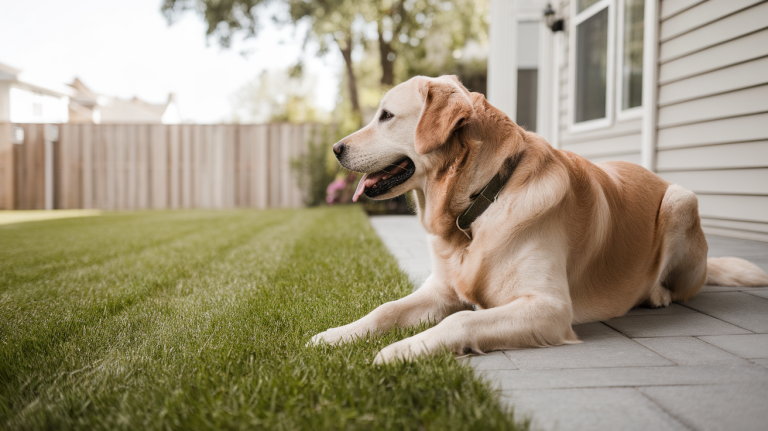
Image Source: randylemmon.com
How Long To Keep Dogs Off Lawn After Fertilizing Explained
Can I let my dog on the lawn right after fertilizing? Generally, no. You need to wait for the fertilizer to dry and absorb into the soil. This is crucial for fertilizer safety for dogs and to prevent issues related to dog exposure to fertilizers.
Keeping our canine companions safe and happy is a top priority for any dog owner. When it comes to lawn care, especially fertilizing, a common question arises: how long to keep dogs off lawn after fertilizing? This isn’t just about convenience; it’s about the health and well-being of your furry friend. Lawn fertilization dog precautions are essential, and knowing the correct waiting period after lawn treatment is key to enjoying a beautiful yard without compromising your pet’s safety. This guide will delve into everything you need to know about pet-friendly lawn care and protecting pets from lawn chemicals.
The Risks of Dog Exposure to Fertilizers
Fertilizers, while beneficial for a lush green lawn, can pose significant risks to dogs if ingested or if they come into prolonged contact with the chemicals. Understanding these risks is the first step in implementing effective lawn care advice for dog owners.
What Makes Fertilizers Dangerous for Dogs?
Fertilizers contain a variety of ingredients, and their specific components determine the level of risk. Common ingredients include:
- Nitrogen (N): Essential for leaf growth, but in high concentrations, can cause digestive upset.
- Phosphorus (P): Important for root development, but can be toxic if ingested in large amounts, potentially affecting the heart and nervous system.
- Potassium (K): Aids in overall plant health, generally less toxic than nitrogen or phosphorus but can still cause irritation.
- Trace Minerals: Such as iron, zinc, and copper, can be toxic in larger quantities.
- Herbicides and Pesticides: Many lawn fertilizers are combined with weed killers or insect control agents. These are often the most dangerous components for pets.
These chemicals can be absorbed through a dog’s paws or ingested when a dog licks its paws, grooms itself, or eats grass.
Common Symptoms of Fertilizer Ingestion in Dogs
If your dog has been exposed to fertilizer, watch out for these signs:
- Vomiting: One of the most common initial symptoms.
- Diarrhea: Can range from mild to severe.
- Lethargy: A noticeable decrease in energy levels.
- Drooling: Excessive salivation.
- Loss of Appetite: Refusal to eat.
- Respiratory Distress: Difficulty breathing, especially if the fertilizer contains rodenticides or insecticides.
- Neurological Symptoms: Tremors, seizures, or twitching, which are signs of more severe poisoning.
- Skin Irritation: Redness or itching on the paws or belly.
It’s vital to seek veterinary attention immediately if you suspect your dog has ingested fertilizer.
Determining the Waiting Period: Factors to Consider
The “how long to keep dogs off lawn after fertilizing” question doesn’t have a single, universal answer. Several factors influence the recommended waiting period.
Type of Fertilizer Used
The most critical factor is the type of fertilizer applied.
Synthetic vs. Organic Fertilizers
- Synthetic Fertilizers: These are chemically manufactured and can contain higher concentrations of nutrients and potentially harmful additives like herbicides. They often require a longer waiting period to ensure complete absorption and to allow volatile compounds to dissipate.
- Organic Fertilizers: Derived from natural sources like manure, bone meal, or plant matter, these are generally safer. However, “safer” doesn’t mean “risk-free.” Some organic fertilizers can still cause digestive upset if ingested in large quantities, and they may not be as quickly absorbed as synthetic ones.
Slow-Release vs. Quick-Release Fertilizers
- Quick-Release Fertilizers: These nutrients are immediately available to the plant. They are more prone to burning plants and can be more readily absorbed by pets if the lawn is wet. They usually require a longer waiting period.
- Slow-Release Fertilizers: These are designed to release nutrients gradually over time. This makes them less likely to burn plants and, theoretically, less risky for pets as the chemicals are less concentrated at any given moment. However, the total duration of exposure might be longer, so caution is still advised.
Fertilizers with Added Weed Killers or Insecticides
If your fertilizer product includes weed killers (herbicides) or insecticides, the waiting period is significantly extended. These chemicals are designed to kill living organisms and can be highly toxic to dogs. It’s crucial to always read the product label for specific instructions regarding pet safety and waiting times.
Environmental Conditions
Weather plays a significant role in how quickly fertilizers are absorbed and how safe the lawn becomes for your dog.
- Rainfall: Light rain can help granules dissolve and absorb into the soil. However, heavy rain shortly after application could wash the fertilizer into waterways, and the lawn might remain wet and slippery, potentially increasing contact time if dogs are allowed out too soon.
- Temperature: High temperatures can cause some fertilizers to release volatile gases, which could be irritating or harmful if inhaled by pets.
- Sunlight: Sunlight aids in the absorption process for some fertilizers.
Application Method
- Granular Fertilizers: These are typically applied dry and then watered in. The critical period is before watering, as dry granules can easily stick to a dog’s paws and fur. Once watered in and dried, they are less of a direct contact hazard.
- Liquid Fertilizers: These are sprayed directly onto the grass. The primary concern here is the wetness of the lawn. Dogs should stay off until the liquid has completely dried.
Establishing the Safe Waiting Period: Best Practices
To ensure dog access to fertilized yard is safe, adhere to these general guidelines and specific recommendations.
General Waiting Period Guidelines
- Synthetic Fertilizers (without herbicides/pesticides): Most experts recommend waiting 24 to 48 hours after application. During this time, the fertilizer should be watered in and allowed to dry completely. This allows the granules to break down and be absorbed by the soil.
- Organic Fertilizers: While generally safer, it’s still wise to wait at least 24 hours. This allows for some absorption and reduces the risk of digestive upset from ingestion.
- Fertilizers with Weed Killers or Insecticides: This is where chemical lawn treatments and dogs become a major concern. For these products, it’s crucial to follow the manufacturer’s instructions precisely. Often, this means keeping pets off the lawn for several days, up to a week or even longer, until the chemicals have fully broken down and are no longer active. Some products may even require pets to stay off for longer periods or until a significant amount of rainfall has occurred.
The “Dry and Absorbed” Rule
The most universally applicable rule for post-fertilization dog safety is to ensure the fertilizer is completely dry and absorbed into the soil. This means:
- Wait for Rain or Water: If the product instructions recommend watering after application, wait until the lawn is dry to the touch.
- Observe the Lawn: Even if it has rained or been watered, visually check that there are no visible granules or wet patches of fertilizer on the grass blades or soil surface.
Reading Product Labels is Paramount
Every fertilizer product is different. The lawn fertilization dog precautions that apply to one might not apply to another. Always, always read the product label. Look for specific instructions regarding:
- Re-entry times for people and pets.
- Watering instructions.
- Warnings about children and pets.
- Disposal of empty containers.
If the label is unclear or doesn’t provide specific pet safety information, err on the side of caution and extend the waiting period. Contact the manufacturer if you have any doubts.
Pet-Friendly Lawn Care Alternatives
For those particularly concerned about chemical lawn treatments and dogs, exploring pet-friendly lawn care options is a great strategy.
Choosing Pet-Safe Fertilizers
When purchasing fertilizer, actively look for products specifically labeled as “pet-safe” or “safe for use around children and pets” once dry. These formulations often use slower-release nutrients and avoid harsh chemicals. However, always verify the “once dry” aspect, as even pet-safe products can cause issues if ingested while wet.
Natural and Organic Lawn Fertilization
Embracing organic lawn care can significantly reduce the risk to your pets.
- Compost: Well-rotted compost is an excellent soil amendment that provides nutrients and improves soil structure. Apply a thin layer over the lawn.
- Manure: Aged manure (cow, chicken, horse) is rich in nutrients. Ensure it is fully composted, as fresh manure can burn grass and contain pathogens.
- Corn Gluten Meal: This is a natural pre-emergent weed killer and a source of nitrogen. It’s safe for pets and beneficial for soil health.
- Grasscycling: Leaving grass clippings on the lawn after mowing returns valuable nutrients to the soil.
These methods are generally safe for pets to be around immediately after application or, in the case of grasscycling, there’s no waiting period at all.
Timing Your Fertilization
Consider fertilizing during times when your dog is less likely to be in the yard. For instance:
- Early Spring/Late Fall: When your dog might be less inclined to spend extended periods lounging on the grass.
- During Periods of Rain: If you can schedule fertilization to coincide with a natural rain shower that will help absorb the product, it can shorten the drying time needed before pets can return.
Strategies for Protecting Pets from Lawn Chemicals
Beyond just waiting, proactive measures can further enhance post-fertilization dog safety.
Creating Designated Dog Areas
If you have a large yard, consider designating certain areas as “dog-free zones” during fertilization and subsequent waiting periods. This can be achieved with temporary fencing or simply by leashing your dog and guiding them to allowed areas.
Physical Barriers
Temporary barriers, such as chicken wire or decorative garden fencing, can be placed around recently fertilized areas to visually signal to your dog that the space is off-limits. Remove these once the waiting period is over.
Paw and Coat Wipes
Keep pet wipes or a damp towel near your door. After your dog has been on the lawn (even when you believe it’s safe), wipe down their paws and belly. This removes any residual chemicals that may have clung to their fur.
Leash Walks
Until you are absolutely certain the lawn is safe, keep your dog on a leash during their outdoor excursions. This allows you to control where they walk and prevent them from lingering on fertilized patches.
Educating Family Members
Ensure everyone in the household understands the importance of keeping dogs off the lawn and the reasoning behind it. Consistent messaging helps maintain the safety protocol.
Frequently Asked Questions (FAQ)
Q1: What if my dog accidentally walks on the fertilized lawn before the waiting period is over?
A1: If your dog walks on the lawn briefly, monitor them closely for any signs of distress or illness. Gently rinse their paws with water and wipe them down. If they show any symptoms of poisoning, contact your veterinarian immediately.
Q2: Can I use my sprinkler system to water in the fertilizer if my dog is still outside?
A2: No, this is not recommended. The act of watering in the fertilizer can create puddles or spread the dissolved chemicals, increasing the risk of your dog ingesting or absorbing them. Ensure your dog is indoors before watering the lawn after fertilization.
Q3: Are homemade lawn fertilizers safe for dogs?
A3: Homemade fertilizers can vary greatly. While many natural ingredients are safe, the concentration and combination of elements are crucial. For instance, excessive amounts of certain natural minerals could still be problematic. It’s best to research the specific ingredients and their effects on pets or stick to commercially produced, explicitly pet-safe options.
Q4: How do I know if the fertilizer has been fully absorbed?
A4: The fertilizer is typically considered fully absorbed and safe when the lawn is completely dry to the touch, and there are no visible granules or wet patches on the grass or soil surface. This usually occurs after watering (if required by the product) and allowing adequate drying time, typically 24-48 hours for standard fertilizers.
Q5: What should I do if my dog ate grass that was just fertilized?
A5: If you witness your dog eating grass that was recently fertilized, the best course of action is to immediately offer them fresh water and try to prevent them from eating more. Contact your veterinarian for advice. They may recommend inducing vomiting or other treatments depending on the type and amount of fertilizer ingested.
By prioritizing these precautions and choosing the right approach to lawn care, you can ensure your yard is a safe and enjoyable space for both you and your beloved canine companion. Remember, a little patience and diligent adherence to lawn fertilization dog precautions go a long way in maintaining your dog’s health and happiness.