
Raccoons can be adorable, but when they raid your garden, they can turn your prized plants into a midnight snack. So, how can I keep raccoons out of my garden safely? The best way is to combine several methods, creating a multi-layered approach that makes your garden unattractive and inaccessible to them. This involves raccoon proofing garden areas, employing effective raccoon deterrents, and implementing humane raccoon removal if necessary.
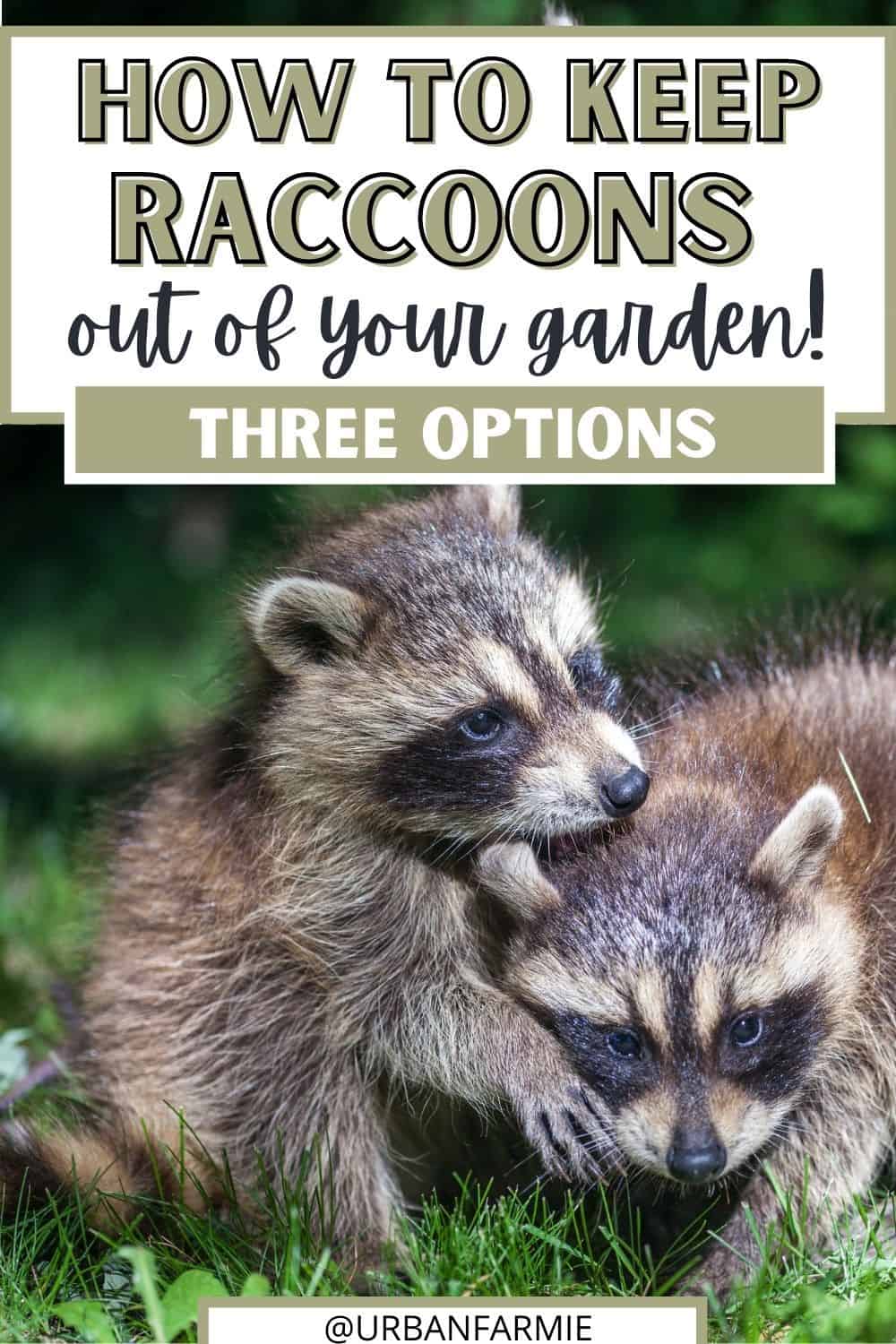
Image Source: urbanfarmie.com
Why Raccoons Love Gardens
Raccoons are opportunistic omnivores. This means they eat almost anything, and your garden offers a buffet of delicious options. They are drawn to:
- Fruits and vegetables: Ripe tomatoes, corn, berries, melons, and leafy greens are all on the menu.
- Insects and grubs: Digging in the soil for tasty grubs can be tempting for raccoons, especially in moist garden beds. Raccoons digging in garden areas often indicates a search for food.
- Water sources: Gardens with bird baths or leaky hoses can attract raccoons looking for a drink.
- Shelter: Overgrown areas or compost piles can provide a safe place for raccoons to rest.
Creating a Raccoon-Proof Garden: The First Line of Defense
Making your garden less appealing is key. This involves a few simple but effective steps.
The Power of Fencing
A fence for raccoons is one of the most reliable ways to keep them out. However, it needs to be designed correctly to be effective.
Fence Design for Raccoon Exclusion
- Height: The fence should be at least 3-4 feet tall. Raccoons are agile climbers, so height is crucial.
- Material: Sturdy wire mesh, like chicken wire or hardware cloth (1-inch mesh or smaller), is best. This prevents raccoons from pushing through or getting stuck.
- Buried Base: Raccoons are diggers. Bury the bottom of the fence at least 12 inches into the ground to stop them from digging under. Bend the buried portion outwards (away from the garden) at a 90-degree angle to create an “L” shape. This makes it harder for them to get a foothold to dig.
- Lean-Out Top: Consider adding an outward-facing overhang at the top of the fence. This can be made from more wire mesh or even electric fencing. When a raccoon tries to climb over, it will encounter this angled section, making it difficult and discouraging to ascend.
Securing Other Entry Points
Raccoons are clever and can squeeze through surprisingly small openings. Regularly inspect your garden and yard for potential entry points to other areas.
- Sheds and Garages: Ensure these structures are sealed. Block any gaps or holes with sturdy materials.
- Pet Doors: If you have pet doors, ensure they lock securely at night.
- Compost Bins: Compost bins are a major attraction. Use bins that are specifically designed to be animal-proof or modify existing ones with secure lids and reinforced sides.
Employing Effective Raccoon Deterrents
Once your garden is physically secured, you can introduce raccoon deterrents to make the area less inviting. A combination of methods is usually most effective for garden pest control.
Scent-Based Deterrents (Natural Raccoon Repellents)
Raccoons have a keen sense of smell, and certain scents can be unpleasant for them.
Strong Smelling Items
- Castor Oil and Peppermint Oil: Mixing these oils with water and spraying them around the garden perimeter can deter raccoons. The strong smell is off-putting.
- Cayenne Pepper or Chili Powder: Sprinkling these around plants, especially vulnerable ones like tomatoes and berries, can create a burning sensation on their paws and noses, discouraging them. Reapply after rain.
- Ammonia-Soaked Rags: Raccoons dislike the smell of ammonia. Soak rags in ammonia and place them in small, breathable bags (like old socks) around the garden. Be cautious with ammonia as it can be harmful if ingested or if it comes into direct contact with plants.
- Coffee Grounds: Used coffee grounds, when spread around plants, can deter some animals due to their scent and texture.
- Garlic and Onions: Planting garlic and onions around your garden beds can act as a natural barrier due to their strong odors.
Repellents to Consider
| Deterrent Type | Application Method | Effectiveness | Caution |
|---|---|---|---|
| Essential Oils | Mix peppermint, castor, or eucalyptus oil with water; spray around garden. | Moderate. Strong scent can be effective but dissipates quickly, requiring frequent reapplication. | Can irritate skin. Keep away from pets and children. Test on a small area of plants first to ensure it doesn’t cause damage. |
| Spicy Powders | Sprinkle cayenne pepper, chili powder, or hot pepper flakes around plants. | Moderate. Effective until washed away by rain or irrigation. | Can irritate skin and eyes. Wear gloves when applying. Avoid inhaling the powder. Can also deter beneficial insects and can burn seedlings if applied too heavily. |
| Ammonia | Soak rags or cotton balls in ammonia; place in shallow containers or breathable bags. | Moderate. Strong, acrid smell. | High Caution. Can be harmful to pets and humans if inhaled excessively or ingested. Can also damage plants if it comes into direct contact. Use sparingly and with care. |
| Coffee Grounds | Sprinkle used coffee grounds around plants. | Low to Moderate. Primarily acts as a texture deterrent. | Generally safe for plants and soil. |
| Predator Urine | Available commercially (e.g., fox, coyote urine). Sprinkle granules or spray around garden. | Moderate. Mimics the scent of a predator. | Effectiveness can vary. May need frequent reapplication. Keep away from children and pets. |
Visual Deterrents
Raccoons can be startled by sudden movements or unfamiliar objects.
- Motion-Activated Sprinklers: These devices detect movement and spray a burst of water, startling raccoons and sending them running. They are very effective, especially when used in conjunction with other methods.
- Scare Tactics: Old CDs or aluminum foil strips hung from branches can reflect light and make noise in the wind, potentially scaring them. However, raccoons can become accustomed to these over time.
- Predator Decoys: Placing owl or hawk decoys can sometimes work, but raccoons are intelligent and will often ignore them if they don’t move. Move decoys regularly to maintain an element of surprise.
Auditory Deterrents
Loud or unusual noises can also deter raccoons.
- Ultrasonic Devices: These emit high-frequency sounds that are inaudible to humans but unpleasant to many animals, including raccoons. Their effectiveness is debated, as some studies suggest animals can habituate to them.
- Radios: Leaving a radio on low volume near the garden, particularly tuned to talk stations, can mimic human presence and deter nocturnal animals.
Protecting Specific Plants and Avoiding Issues
Some of your garden’s treasures might be particularly vulnerable. Here’s how to focus your efforts on preventing raccoons from eating plants.
Protecting Vegetables from Raccoons
- Corn: Raccoons adore corn. Covering ears of corn with lightweight netting or bags once they start to ripen can prevent access.
- Tomatoes and Berries: These are prime targets. Netting draped over bushes or individual plants can be very effective. Ensure the netting is secured to the ground to prevent raccoons from crawling underneath.
- Melons and Squash: As these heavy fruits mature on the ground, they become easy targets. Consider elevating them slightly on bricks or boards to improve air circulation, and consider covering them with netting or row covers.
Addressing Raccoons Digging in Garden Beds
When raccoons are raccoons digging in garden, they are often looking for grubs, worms, or other invertebrates.
- Grub Control: Address any underlying grub infestations in your lawn or garden. Healthy soil with a balanced ecosystem is less attractive to raccoons looking for a feast.
- Mulching: A thick layer of mulch can make digging more difficult and less rewarding for raccoons.
- Ground Cover: Planting dense ground cover plants can discourage digging in certain areas.
Humane Raccoon Removal and Management
If deterrence methods aren’t enough, you might need to consider humane raccoon removal. It’s important to handle wildlife encounters responsibly and ethically.
When to Consider Removal
- Persistent Activity: If raccoons are consistently damaging your garden despite your best efforts.
- Property Damage: If they are causing significant damage to structures or gardens.
- Health Concerns: While rare, raccoons can carry diseases like rabies.
Humane Trapping and Relocation
- Live Traps: If you decide to trap a raccoon, use a large, sturdy live trap. Bait it with something attractive like marshmallows, canned sardines, or fruit.
- Placement: Place the trap along the raccoon’s usual travel path.
- Check Frequently: It is crucial to check traps often, ideally every few hours, especially in extreme weather. Leaving a trapped animal for extended periods can cause it distress, injury, or death.
- Relocation: Humane raccoon removal often involves relocating the animal. However, relocation laws vary by region and state. In many areas, it is illegal to relocate wildlife without proper permits, as it can spread diseases and disrupt ecosystems. It’s essential to check your local wildlife regulations before attempting relocation. Often, the most humane approach if trapping is necessary might be to contact a local wildlife professional.
Professional Wildlife Control
For persistent problems or if you’re uncomfortable handling wildlife, contact a professional wildlife control service. They have the expertise and equipment to safely and humanely manage raccoon issues.
Natural Raccoon Repellents: The Eco-Friendly Approach
Many gardeners prefer natural raccoon repellents to avoid using chemicals.
- Planting Repellent Plants: Certain plants have strong scents that deter raccoons. Consider planting aromatic herbs like mint, rosemary, sage, and thyme around the perimeter of your garden.
- Companion Planting: Some plants, when planted together, can naturally deter pests. While not exclusively for raccoons, a diverse garden is often healthier and less prone to major infestations.
- Beneficial Insects: Encouraging beneficial insects can help control the grub population that might be attracting raccoons in the first place.
Deterring Wildlife from Garden: A Broader Perspective
It’s not just raccoons that might be visiting your garden. Implementing strategies for deterring wildlife from garden can create a more peaceful coexistence.
- Remove Attractants: Secure garbage cans, clean up fallen fruit, and don’t leave pet food outdoors.
- Water Sources: If possible, eliminate standing water sources like leaky faucets or puddles. If you have a bird bath, consider moving it or limiting its use during peak raccoon activity times.
- Habitat Modification: Trim overgrown bushes and clear away debris that could provide shelter for raccoons and other critters.
Raccoon Proofing Garden: A Summary of Strategies
To effectively keep raccoons out of your garden safely, focus on these core principles:
- Physical Barriers: The most effective method is often a well-constructed fence for raccoons that is tall, buried, and potentially has an outward-facing top.
- Sensory Deterrents: Utilize a combination of natural raccoon repellents and other deterrents that appeal to a raccoon’s senses of smell, sight, and sound.
- Habitat Modification: Make your garden and yard less attractive by removing food and shelter sources.
- Consistent Maintenance: Regularly check and maintain your barriers and deterrents, as raccoons are persistent.
Frequently Asked Questions About Keeping Raccoons Out of Gardens
Q1: Will cayenne pepper really keep raccoons out of my garden?
A1: Cayenne pepper can be an effective natural raccoon repellent. Raccoons dislike the spicy sensation it causes on their paws and noses. However, its effectiveness diminishes with rain, so frequent reapplication is necessary.
Q2: Can I use ammonia to deter raccoons?
A2: Ammonia has a strong, acrid smell that raccoons dislike. You can soak rags in ammonia and place them around your garden. However, ammonia should be used with extreme caution, as it can be harmful to pets, humans, and can damage plants if it comes into direct contact. It’s generally a last resort and requires careful handling.
Q3: What is the best humane way to remove raccoons?
A3: The best humane raccoon removal often involves creating a garden environment they simply cannot access or enjoy. If trapping is necessary, use a live trap and check it very frequently. Always research and adhere to your local wildlife laws regarding trapping and relocation, or call a professional wildlife control service.
Q4: How can I stop raccoons from digging in my garden?
A4: Raccoons dig for grubs and other invertebrates. To stop raccoons digging in garden areas, address any underlying pest issues, apply a thick layer of mulch, or plant dense ground cover to make digging more difficult. A well-maintained fence is also a primary solution.
Q5: My neighbor’s compost bin attracts raccoons to my yard. What can I do?
A5: While you can’t control your neighbor’s property, you can make your garden less attractive. Ensure your own compost is secure, remove fallen fruit promptly, and focus on deterring wildlife from garden spaces through fencing and repellents. You might consider a polite conversation with your neighbor about their compost management practices.
Q6: Will scarecrows work to keep raccoons away?
A6: Traditional scarecrows are rarely effective against raccoons for long. Raccoons are intelligent and will quickly learn that scarecrows do not pose a threat. Moving decoys or motion-activated deterrents are generally more effective.
By employing a combination of these strategies, you can create a safe and effective system for raccoon proofing garden spaces and enjoy your harvest without unwanted visitors. Remember that persistence and a multi-faceted approach are key to successfully preventing raccoons from eating plants and deterring wildlife from garden areas.