
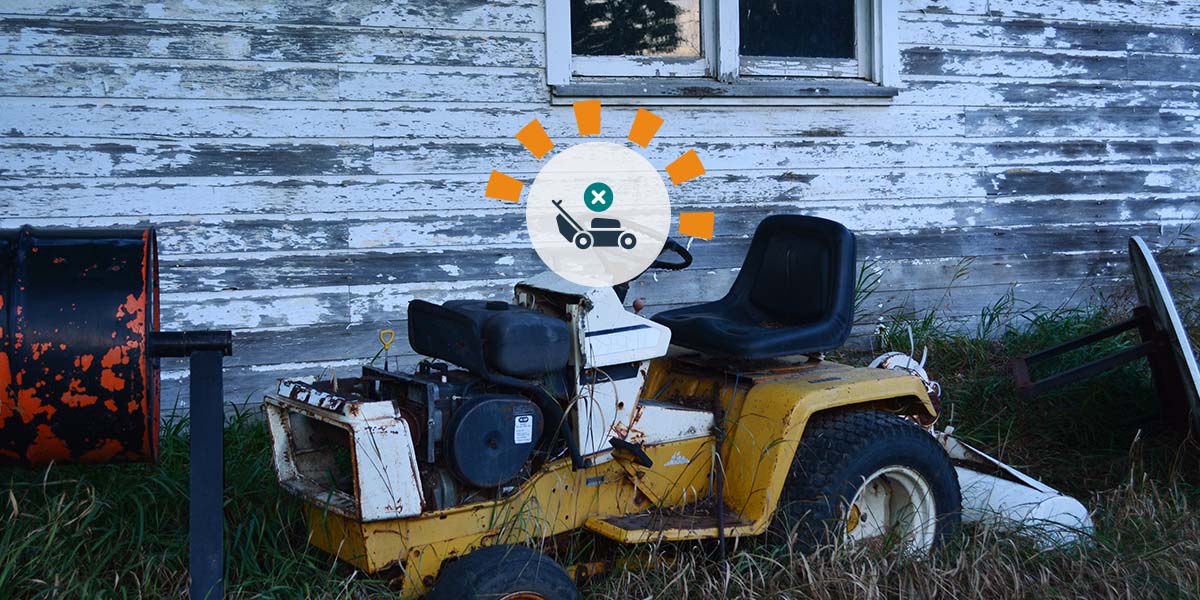
Image Source: dumpsters.com
How Do I Dispose Of A Lawn Mower Safely & Eco-Friendly?
Can I dispose of my old lawn mower in my regular trash? No, you generally cannot dispose of a lawn mower in your regular household trash due to its various components, including fuel, oil, and potentially lead-acid batteries, which are considered hazardous waste.
As your trusty lawn mower ages or if you’re upgrading to a newer model, you’ll eventually face the question of what to do with your old one. Simply tossing it on the curb is often not an option and can lead to environmental problems and even fines. This comprehensive guide will walk you through the safest and most environmentally responsible ways to handle lawn mower disposal, old mower removal, and junk mower pickup.
Why Proper Disposal Matters
Lawn mowers, whether gas-powered, electric, or even battery-operated, contain materials that require special handling.
- Gasoline and Oil: If you have a gas-powered mower, leftover fuel and oil are flammable and can contaminate soil and water if not disposed of correctly.
- Batteries: Some electric and riding mowers use lead-acid batteries, similar to car batteries. These contain heavy metals like lead and sulfuric acid, which are highly toxic and must be handled as hazardous waste.
- Metals: The bulk of a lawn mower is made of metal, which can be recycled.
- Plastics: Various plastic components can also be recycled.
Improper disposal can lead to:
- Environmental Pollution: Leaking fluids can seep into the ground, polluting soil and groundwater.
- Health Hazards: Toxic materials can pose risks to human and animal health.
- Landfill Overload: Functional or repairable mowers take up valuable landfill space.
Options for Your Old Lawn Mower
There are several avenues to explore when it comes to saying goodbye to your old mower. The best choice for you will depend on the mower’s condition and your local resources.
1. Selling Your Used Mower
If your lawn mower is still in good working condition, selling it is an excellent way to recoup some of your investment and ensure it gets a second life. This is often the most eco-friendly option as it promotes reuse.
Where to Sell a Used Mower
- Online Marketplaces: Platforms like Craigslist, Facebook Marketplace, eBay, and dedicated yard sale websites are popular choices. Be sure to take clear photos, write an honest description of its condition (including any lawn mower repair history), and state your asking price.
- Local Classifieds: Check your local newspaper or community bulletin boards.
- Yard Sales: A traditional yard sale is a great way to sell multiple items, including your mower.
- Local Repair Shops: Some lawn mower repair shops might be interested in buying used mowers for parts or to refurbish and resell.
Tips for Selling:
- Clean it up: A clean mower looks more appealing. Wash off dirt and debris.
- Perform basic maintenance: Ensure it starts and runs smoothly. If it needs minor lawn mower maintenance, like a new spark plug or air filter, consider doing it before selling to increase its value.
- Be honest about its condition: Disclose any known issues.
- Have the manual and any accessories: These can add value.
2. Donating a Lawn Mower
Donating your old mower is a generous act that benefits others and is environmentally sound. Many organizations are in need of lawn equipment for their maintenance operations or to provide to individuals and families who need it.
Organizations That Accept Lawn Mower Donations:
- Community Gardens and Parks: Local community garden initiatives or park maintenance departments might welcome a working mower.
- Habitat for Humanity ReStores: These stores sell donated home goods and building materials to fund their mission and often accept working appliances and tools.
- Vocational Schools and Trade Programs: Schools that teach small engine repair or landscaping might use older mowers for training purposes.
- Churches and Religious Organizations: Many have grounds that require regular mowing, and they may appreciate a donation.
- Non-profits Supporting Low-Income Families: Some charities help low-income families maintain their homes and may be able to use a mower.
Before Donating:
- Check the condition: Ensure the mower is in good working order. If it needs significant lawn mower repair, it might not be suitable for donation.
- Contact the organization: Always call ahead to confirm they accept lawn mower donations and to arrange a drop-off or pickup.
- Get a receipt: For tax purposes, ensure you get a donation receipt stating the mower’s condition.
3. Recycling Lawn Mowers
If your mower is beyond repair or no longer functional, recycling lawn mowers is the next best eco-friendly option. This process ensures that valuable metal and other materials are salvaged and reused, reducing the need for new resource extraction.
How Recycling Works:
- Scrap Metal Recycling Centers: Most of the mower’s weight comes from metal (steel and aluminum). Scrap metal recycling facilities will take the entire unit and dismantle it. They will separate ferrous metals (like steel) from non-ferrous metals (like aluminum).
- Hazardous Waste Facilities: The fuel, oil, and batteries will be handled separately by specialized facilities that are equipped for hazardous waste disposal.
What to Do Before Taking it to a Recycling Center:
- Drain all fluids: This is crucial for safety and environmental protection.
- Fuel: Drain the gas tank into an approved container. You can often take this gasoline to a local hazardous waste collection site. Never pour gasoline down a drain or onto the ground.
- Oil: Drain the engine oil into a sealed container. Used motor oil can often be taken to auto parts stores or recycling centers that accept used oil.
- Remove the battery: If your mower has a battery, remove it carefully. Treat it as hazardous waste and take it to a battery recycling center or a facility that accepts lead-acid batteries.
- Check local regulations: Some municipalities have specific drop-off locations or collection events for large items like lawn mowers.
Scrap Metal Recycling:
Scrap metal recycling centers are a key part of the recycling lawn mowers process. They are equipped to handle large metal items.
Finding a Scrap Metal Recycler:
- Online Search: Search for “scrap metal recycling near me” or “metal recycling center.”
- Local Waste Management: Your local waste management company might have a list of approved recyclers.
- Ask at Auto Parts Stores: They may know of local metal recyclers.
What to Expect at a Scrap Metal Yard:
- Drop-off: You’ll typically drive your mower to their facility.
- Weighing: They will weigh your mower. You might even get paid a small amount for the scrap metal, although the amount will likely be minimal.
- Sorting: They will sort the metals and other materials for proper processing.
4. Junk Mower Pickup Services
If you don’t have the means or time to transport your old mower to a recycling center or if you need a complete old mower removal, hiring a junk removal service is a convenient option.
How Junk Removal Services Work:
- Scheduling: You call the service, describe what you need removed (your old lawn mower), and schedule a pickup time.
- Pickup: A crew will come to your location, load the mower onto their truck, and haul it away.
- Disposal: Reputable junk removal services will ensure your mower is disposed of responsibly, meaning they will likely take it to appropriate recycling centers or hazardous waste facilities.
When to Choose Junk Removal:
- Convenience: You don’t have to worry about draining fluids, removing batteries, or transporting the mower.
- Large or Heavy Mowers: Riding mowers or heavy-duty models can be difficult to move on your own.
- No Local Recycling Options: If you can’t find a suitable recycling facility, a junk removal service can handle it.
What to Look For in a Junk Removal Service:
- Reputation: Check online reviews and ask for recommendations.
- Pricing: Get a quote upfront to avoid surprises.
- Eco-Friendly Practices: Inquire about their disposal methods. Do they prioritize recycling and responsible hazardous waste disposal?
5. Municipal Waste Collection and Recycling Centers
Many local governments offer special collection days or have designated drop-off centers for bulky items and household hazardous waste.
Checking with Your Municipality:
- City or County Website: Your local government’s website is the best place to start. Look for sections on waste management, recycling, or bulky item pickup.
- Public Works Department: Call your local public works department to inquire about their procedures for lawn mower disposal.
- Waste Management Company: If a private company handles your trash and recycling, check their website or call them.
What to Expect from Municipal Services:
- Bulk Item Pickup Days: Some areas have scheduled days for picking up large items like appliances and furniture. You may need to schedule this in advance and there might be a fee.
- Drop-off Centers: Many municipalities have recycling centers or transfer stations where you can drop off items like old lawn mowers. There may be fees associated with this, especially for items containing hazardous materials.
- Household Hazardous Waste (HHW) Events: Some areas hold special events for collecting HHW, which would include any remaining fuel and oil from your mower.
Preparing Your Mower for Disposal
Regardless of the disposal method you choose, proper preparation is essential.
Draining Fluids: A Step-by-Step Guide
This is a critical step for safety and environmental compliance.
Materials Needed:
- Approved containers for gasoline and oil (e.g., certified gas cans, sealed plastic jugs)
- Funnel
- Rags or absorbent pads
- Gloves and eye protection
- Wrench or socket set (to access drain plugs)
Steps:
- Run the Mower Dry (for fuel): If possible and safe, start the mower and let it run until it exhausts all the fuel in the tank and carburetor. This is the safest way to remove most of the gasoline. Ensure you are in a well-ventilated area, away from any open flames or sparks.
- Drain Remaining Fuel: If there’s still fuel in the tank, use a siphon pump or tilt the mower to drain it into an approved container.
- Drain Engine Oil: Locate the oil drain plug (usually at the bottom of the engine). Place your container underneath and remove the plug with a wrench. Allow all the oil to drain out.
- Dispose of Fluids Responsibly:
- Gasoline: Take it to a local hazardous waste collection site or a designated fuel disposal program.
- Used Oil: Many auto parts stores, service stations, and recycling centers accept used motor oil for recycling.
Removing the Battery (if applicable)
- Locate the battery: It’s usually in a compartment on riding mowers or a larger battery pack on some electric models.
- Disconnect terminals: Use a wrench to loosen and remove the battery cables, starting with the negative (-) terminal first.
- Remove the battery: Carefully lift the battery out.
- Transport safely: Place the battery in a sturdy plastic container or bag to prevent leaks.
- Recycle properly: Take lead-acid batteries to a battery recycling facility, electronics recycling center, or a facility that specifically accepts them. Many retailers that sell batteries also have take-back programs.
Dealing with Different Types of Mowers
The disposal process can vary slightly depending on the type of mower you have.
Gas-Powered Push Mowers and Riding Mowers
These are the most common and require careful handling of fuel and oil. The steps for draining fluids and removing batteries (for riding mowers) are paramount. Many of these are also prime candidates for scrap metal recycling due to their robust metal construction.
Electric Mowers (Corded and Cordless)
- Corded Electric Mowers: These are generally the simplest to dispose of. They don’t have fuel or oil. You can often take them to a general recycling center or a scrap metal recycler. If it has a motor with copper wiring, scrap metal recyclers will be interested.
- Cordless Electric Mowers: These often use rechargeable lithium-ion or nickel-cadmium batteries. These batteries can be a fire hazard if damaged or disposed of improperly.
- Battery Recycling: It is essential to remove the battery pack and take it to a specialized battery recycling facility or an electronics recycling drop-off. Do NOT put these batteries in your regular trash or recycling bin.
- The Mower Unit: The rest of the mower can typically go to a metal recycler or an electronics recycling center.
Frequently Asked Questions (FAQ)
Q1: How much does it cost to dispose of a lawn mower?
A1: Disposal costs can vary. Selling or donating is free. Recycling at a scrap metal yard might involve a small fee or no fee, and you might even get paid a few dollars for the metal. Junk removal services will charge a fee, typically based on the amount of junk and the labor involved. Municipal drop-off centers may have fees.
Q2: Can I take my lawn mower to the dump?
A2: In most areas, you cannot put a lawn mower in your regular trash or take it to a standard landfill without preparation. Landfills often have specific rules for bulky items and hazardous waste. You’ll likely need to drain fluids and remove batteries before it’s accepted, or take it to a designated recycling or transfer station.
Q3: What if my lawn mower is broken?
A3: If your mower is broken, selling it for parts or taking it to a scrap metal recycling center are the most viable options. Some individuals who specialize in lawn mower repair might also be interested in buying broken mowers for parts.
Q4: Where can I find a local recycling center that accepts lawn mowers?
A4: You can typically find this information by searching online for “scrap metal recycling near me,” “appliance recycling,” or “household hazardous waste disposal” in your area. Your local municipality’s website or waste management provider is also a good resource.
Q5: Do I need to remove parts from my lawn mower before recycling?
A5: It’s highly recommended to drain all fluids (gasoline and oil) and remove the battery. This makes the mower safer for transport and handling at recycling facilities, and ensures these hazardous materials are disposed of correctly.
Q6: Is it legal to just leave an old lawn mower on the curb?
A6: No, it is generally illegal and considered illegal dumping. You can face fines if you abandon your lawn mower or any other large item on the curb without proper arrangements for disposal.
Conclusion
Disposing of your old lawn mower responsibly is a straightforward process when you know your options. By choosing to sell, donate, or recycle, you’re not only ensuring compliance with environmental regulations but also contributing to a healthier planet. Remember to always prioritize the safe handling of any residual fuels, oils, and batteries. Whether you’re looking for old mower removal, junk mower pickup, or simply want to know how to dispose of a lawn mower safely, following these guidelines will help you make an informed and eco-conscious decision. Your efforts in proper lawn mower disposal make a real difference!