
Can dogs go on a treated lawn immediately? No, dogs should not go on a treated lawn immediately after treatment. The post-application waiting period is crucial for allowing chemicals to dry and dissipate, minimizing pesticide exposure pets might encounter. This guide will help you navigate lawn treatment safety dogs and understand the risks of herbicide residue animals may ingest or absorb. We’ll also explore pet-friendly lawn care options to keep your furry friends safe.
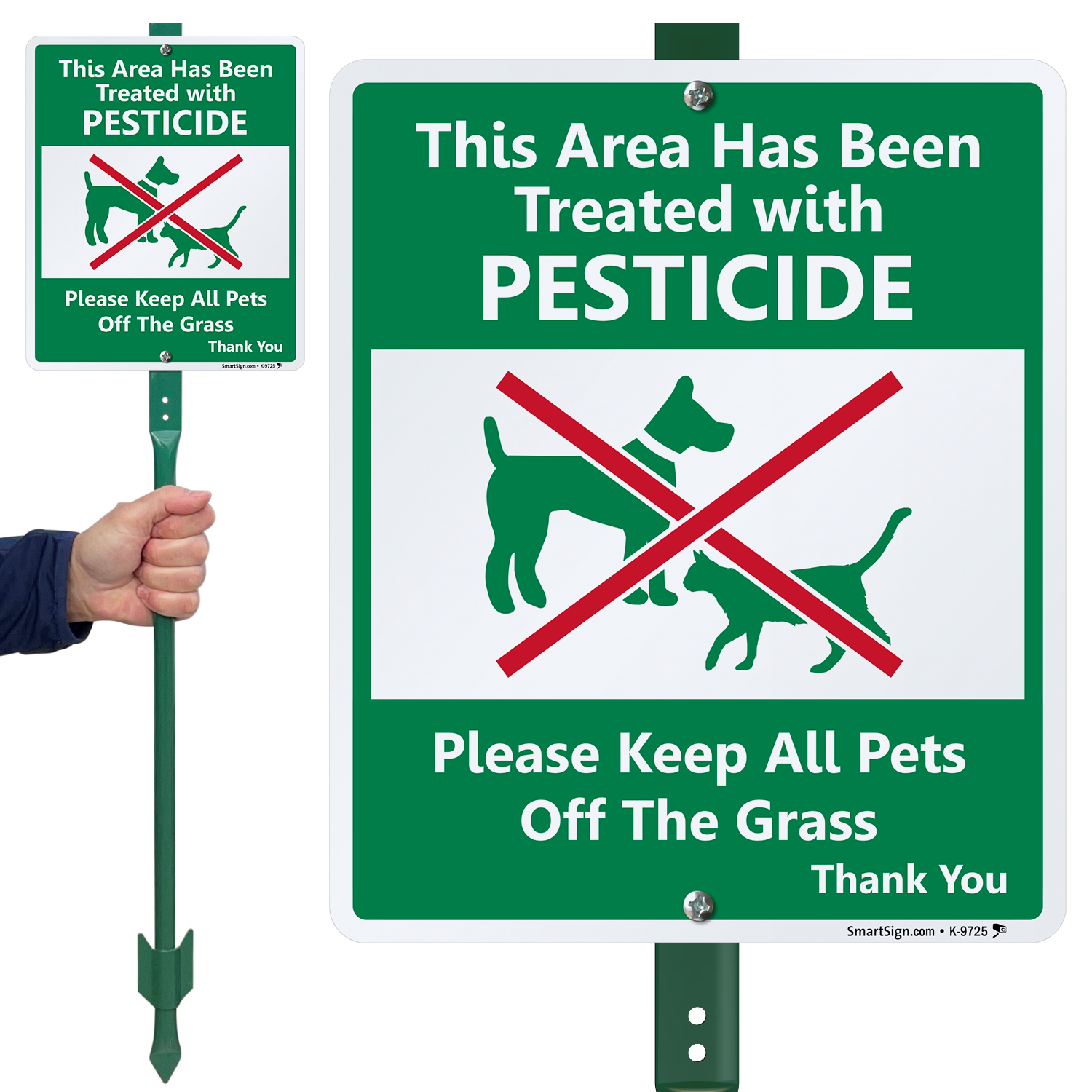
Image Source: www.mysafetysign.com
The Risks of Chemical Lawn Care for Dogs
Chemical lawn care, while effective at controlling weeds and pests, poses significant risks to our canine companions. Dogs are particularly vulnerable due to their habits: they spend a lot of time with their noses to the ground, sniffing and licking grass. This direct contact with treated surfaces, combined with their tendency to lick their paws after walking, can lead to significant outdoor chemical exposure dogs experience.
Common Lawn Treatments and Their Potential Hazards
Many common lawn treatments contain active ingredients that can be harmful to dogs if ingested or absorbed through the skin. Understanding these chemicals is the first step in protecting your pet.
Herbicides
Herbicides are designed to kill unwanted plants. However, some can cause:
- Gastrointestinal upset (vomiting, diarrhea)
- Skin irritation or allergic reactions
- More serious health issues with prolonged or high exposure, affecting the liver or kidneys.
Insecticides
Insecticides, often used for flea and tick lawn treatment dogs, can also be dangerous. While targeting insects, they can be highly toxic to mammals, including dogs. Symptoms of insecticide poisoning can include:
- Drooling
- Vomiting
- Diarrhea
- Muscle tremors
- Seizures
- Difficulty breathing
Fungicides
Fungicides combat lawn diseases. While generally less acutely toxic than some insecticides, they can still cause:
- Skin irritation
- Gastrointestinal issues if ingested.
How Dogs Come into Contact with Lawn Treatments
Dogs interact with treated lawns in several ways:
- Direct Contact: Walking on grass, lying down, rolling.
- Ingestion: Licking treated grass blades, eating grass, chewing on treated weeds.
- Pesticide Residue Transfer: Licking paws and fur after walking on the lawn.
The concern isn’t just about immediate poisoning; it’s also about the potential for long-term health effects from repeated exposure to even low levels of these chemicals. This makes knowing the safe grass treatment pets need very important.
Determining the Safe Waiting Period After Lawn Treatment
The question of “How long before dogs can go on treated lawn?” is critical for pet owners. The answer isn’t a single, universal number but depends heavily on the type of product used and its specific active ingredients.
Factors Influencing the Waiting Period
Several factors determine how long you should keep your dog off a treated lawn:
- Product Type: Different chemicals have different dissipation rates.
- Active Ingredients: Some chemicals are more persistent than others.
- Application Method: Granular products might require different waiting periods than liquid sprays.
- Weather Conditions: Rain can wash away some residues, while dry, sunny conditions can help others break down faster.
- Manufacturer’s Instructions: Always prioritize the label’s recommendations.
General Guidelines for Post-Application Waiting Periods
While precise times vary, here are some general guidelines:
- Liquid Sprays: Most liquid lawn treatments recommend a waiting period of at least 24 to 48 hours before allowing pets back on the lawn. This allows the liquid to dry completely. Some may suggest up to 72 hours for certain chemicals.
- Granular Treatments: Granular products, such as those for weed control or slow-release fertilizers, often need to be watered in to activate. Until they are watered in and the granules have dissolved or become incorporated into the soil, they can pose a risk. After watering, it’s often advised to wait for the surface to dry, which could take 12 to 24 hours, but always check the label.
- Specific Products (e.g., Flea and Tick Treatments): Products specifically designed for flea and tick lawn treatment dogs often have the most stringent waiting periods, sometimes extending to 72 hours or longer, as they contain more potent insecticides.
Crucially, always read and follow the product label. Manufacturers provide specific instructions based on their product’s composition. If the label states “Keep pets and children off the lawn for 48 hours,” adhere to that timeframe.
What “Dry” Means for Liquid Treatments
When a lawn treatment is described as “dry,” it means the liquid spray has evaporated from the surface of the grass blades. While the chemical may still be present on the plant or in the soil, the risk of direct absorption through paws or incidental ingestion from licking wet grass is significantly reduced once dry. However, residue remains a concern.
Identifying Treated Lawns and Potential Dangers
Sometimes, it’s not immediately obvious if a lawn has been treated. Recognizing potential signs and understanding the risks is vital for responsible dog ownership.
Signs a Lawn May Have Been Treated
- Fresh Wetness: A freshly sprayed lawn will appear wet.
- Visible Granules: Granular treatments might leave small colored pellets on the grass.
- Warning Signs: Professional lawn care services often place small signs in the yard indicating treatment and a recommended waiting period.
- Neighboring Properties: If surrounding lawns have been treated, it’s possible your neighbor has also treated their yard.
What to Do if Your Dog Has Walked on a Treated Lawn
If you discover your dog has walked on a treated lawn before the recommended waiting period has passed:
- Don’t Panic: Most incidents don’t result in severe poisoning.
- Wash Paws: Gently wash your dog’s paws with mild soap and water to remove any residual chemicals.
- Prevent Licking: Discourage your dog from licking their paws or coat.
- Monitor for Symptoms: Watch for any signs of distress, such as vomiting, diarrhea, lethargy, excessive drooling, or tremors.
- Contact Your Veterinarian: If you notice any concerning symptoms or if you know a particularly toxic chemical was used, call your vet immediately. Have the product information handy if possible.
Safer Alternatives and Pet-Friendly Lawn Care Practices
The best way to ensure lawn treatment safety dogs is to opt for pet-friendly lawn care methods whenever possible. This approach minimizes or eliminates the use of harmful chemicals.
Choosing Pet-Friendly Lawn Treatments
When treatments are necessary, look for products specifically labeled as safe for pets or those with less toxic ingredients.
Natural and Organic Options
- Corn Gluten Meal: Acts as a pre-emergent weed suppressor and a natural fertilizer. It’s safe for pets and humans.
- Vinegar-Based Weed Killers: These can be effective for spot treatment of weeds but can be non-selective, so use them carefully.
- Manual Weeding: Pulling weeds by hand is the safest method.
- Beneficial Nematodes: Microscopic organisms that can control certain lawn pests, like grubs, without harming pets.
Biological Pest Control
Using natural predators or biological agents to control pests can be a safe alternative to chemical insecticides.
When to Hire Professional Lawn Care Services
If you opt for professional lawn care, communicate your concerns about your pets upfront. Ask about their pet-friendly lawn care protocols.
Questions to Ask Your Lawn Care Professional
- What chemicals do you use, and what are their active ingredients?
- What are the recommended waiting periods for pets after treatment?
- Do you offer organic or pet-safe treatment options?
- Can you provide a list of chemicals used on my property?
Creating a Pet-Safe Zone
Consider designating a specific area of your yard as a “pet zone” that remains free of chemical treatments. This could be a mulched area or a section with dog-friendly ground cover.
Understanding Residue and Long-Term Health Concerns
The concern about herbicide residue animals ingest isn’t limited to immediate poisoning. Repeated exposure to small amounts of lawn chemicals can contribute to long-term health problems in dogs.
The Impact of Chronic Exposure
Chronic exposure to pesticides and herbicides has been linked to:
- Allergies and Sensitivities: Dogs can develop skin allergies or respiratory sensitivities.
- Organ Damage: Some chemicals can accumulate in the body over time, potentially affecting the liver, kidneys, or nervous system.
- Cancer: Certain lawn chemicals have been classified as potential carcinogens.
- Reproductive Issues: Some compounds may affect reproductive health.
What to Do to Minimize Long-Term Risks
- Prioritize Pet-Friendly Options: Always choose the safest route when possible.
- Follow Waiting Periods Strictly: Never let your dog on a treated lawn before the recommended time.
- Rinse Paws: Make it a habit to rinse your dog’s paws after walks, even on untreated lawns, to remove any environmental contaminants.
- Regular Veterinary Check-ups: Discuss your lawn care practices with your veterinarian. They can offer advice and monitor your dog’s health.
- Consider Alternative Ground Cover: For areas where your dog spends a lot of time, consider non-grass alternatives like dog-friendly mulch, artificial turf designed for pets, or specialized pet-safe ground covers.
How to Safely Walk Your Dog on Treated Grass
Walking your dog on a treated lawn requires caution and adherence to safety protocols to minimize pesticide exposure pets face.
Pre-Walk Precautions
- Check the Lawn: Before heading out, visually inspect the lawn. Look for warning signs or signs of recent treatment.
- Know the Treatment Schedule: If you know when your neighbors or local parks treat their lawns, plan your walks accordingly.
- Keep Them on a Leash: This helps prevent them from grazing or rolling excessively on treated areas.
During the Walk
- Avoid Heavily Treated Areas: Steer clear of areas that look freshly treated or have visible granules.
- Limit Grazing: Discourage your dog from eating grass.
- Shorten Your Walk: If you are unsure about the lawn’s treatment status, keep your walk in that area brief.
Post-Walk Cleanup
- Wipe Paws: Always wipe your dog’s paws with a damp cloth or pet-safe wipes after walking on any lawn, especially if you suspect it might have been treated.
- Bathe If Necessary: If your dog rolled or ingested grass, a bath with pet-safe shampoo can help remove residues.
Making Informed Choices for Your Lawn and Your Pet
The decision of how to maintain your lawn involves balancing aesthetics with the health and safety of your pets. Understanding the risks associated with chemical lawn care dogs are exposed to is paramount.
Creating a Safe Outdoor Environment
- Educate Yourself: Learn about the common chemicals used in lawn care and their effects on pets.
- Communicate with Neighbors: If you share fence lines, consider discussing lawn care practices to ensure a safer environment for all pets.
- Advocate for Pet-Friendly Practices: Support local parks and communities that adopt safer lawn maintenance strategies.
By prioritizing safe grass treatment pets and being vigilant about post-application waiting period and potential herbicide residue animals might encounter, you can ensure your dog enjoys a healthy and safe outdoor life. Your commitment to pet-friendly lawn care not only protects your beloved companion but also contributes to a healthier environment for everyone.
Frequently Asked Questions (FAQ)
Q1: How long does it take for lawn chemicals to dry after spraying?
A1: Most liquid lawn chemicals take at least 1 to 4 hours to dry completely, depending on the product and weather conditions. However, even after drying, residues remain, which is why longer waiting periods are recommended for pets.
Q2: Can my dog get sick from walking on a lawn that was treated days ago?
A2: It depends on the chemical, its concentration, and how it breaks down. While the immediate risk diminishes significantly after the recommended waiting period, some persistent chemicals might still pose a minor risk with prolonged contact. Always follow the product’s label for the safest approach.
Q3: What if my dog ate grass from a treated lawn?
A3: If your dog ingested grass from a recently treated lawn, monitor them closely for any unusual symptoms like vomiting, diarrhea, lethargy, or drooling. Contact your veterinarian immediately for advice, especially if you know the specific product used.
Q4: Are organic lawn treatments safe for dogs?
A4: Generally, organic and natural lawn treatments are considered safer for pets than synthetic chemical treatments. However, it’s still advisable to check the specific product’s label and follow any recommended waiting periods, as some natural substances can still cause mild irritation if ingested in large quantities.
Q5: My dog has sensitive skin. What should I do before letting them on the lawn?
A5: If your dog has sensitive skin, it’s best to err on the side of caution. Wait for the full recommended waiting period after any treatment, wash their paws thoroughly after they’ve been on the lawn, and consider a designated pet-safe area in your yard that receives no chemical treatments. Discuss your dog’s sensitivities with your veterinarian for personalized advice.