
In Florida, watering your lawn properly is crucial for its health and survival. So, how often to water lawn in Florida? Generally, aim for deep watering once or twice a week, depending on the season and grass type.
Florida’s unique climate presents distinct challenges and requirements for lawn care. From the scorching summer heat to the milder, drier winter months, your lawn’s hydration needs will shift throughout the year. Knowing how to adjust your watering practices is key to maintaining a vibrant, healthy green space while also complying with local regulations and conserving water.
This guide will delve into the specifics of year-round lawn watering in Florida, covering everything from the best times to water to understanding your grass’s individual needs. We’ll explore how different grass types react to varying conditions and how to implement an effective Florida lawn watering schedule.
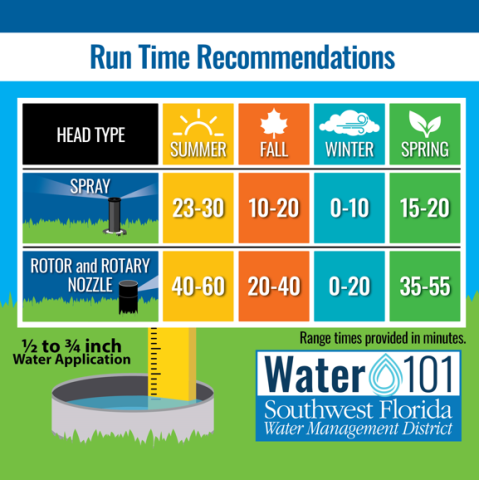
Image Source: www.swfwmd.state.fl.us
Deciphering Florida’s Watering Climate
Florida’s climate is characterized by high humidity, frequent rainfall (though often seasonal), and intense sunshine. These factors create a unique environment for turfgrass.
Seasonal Watering Needs
- Spring (March-May): As temperatures rise and rainfall may become less consistent, your lawn will start to need more water.
- Summer (June-August): This is the peak growing season, but also the wettest. However, heavy downpours don’t always translate to deep soil moisture, and the heat can still cause stress.
- Fall (September-November): Rainfall often decreases, and temperatures begin to cool, meaning watering needs will shift again.
- Winter (December-February): While dormant for some grasses, others remain green. Watering needs are generally lowest, but frost can be a concern.
The Importance of Deep Watering
The concept of deep watering lawn Florida is fundamental. Instead of frequent, shallow sprinklings, you want to encourage deep root growth. This means applying enough water to soak the soil several inches down. Deep roots make grass more resilient to drought and heat. Shallow watering leads to shallow roots, making the lawn more susceptible to wilting and disease.
Crafting Your Florida Lawn Watering Schedule
A consistent and effective Florida lawn watering schedule is your best tool for a healthy lawn. This involves knowing when and how much to water.
Best Time to Water Lawn Florida
The best time to water lawn Florida is early in the morning, typically between 4 AM and 10 AM. Here’s why:
- Minimizes Evaporation: Watering during cooler parts of the day reduces the amount of water lost to evaporation from the sun and wind.
- Allows Absorption: Grass blades have time to dry before nightfall, which helps prevent fungal diseases.
- Water Pressure: Water pressure is often higher in the early morning.
Avoid watering in the heat of the day, as much of the water will evaporate before it can reach the roots. Watering in the evening can leave grass blades wet overnight, promoting fungal growth.
How Much to Water Lawn Florida
The general guideline for how much to water lawn Florida is about 1 to 1.5 inches of water per week. This amount should be delivered in one or two watering sessions to promote deep root growth.
- How to Measure: You can use a rain gauge or place several empty tuna cans (or similar containers) around your lawn to measure how much water your sprinkler system is applying.
- Observation is Key: Your lawn will tell you when it needs water. Look for signs like a dull, bluish-gray color, footprints remaining visible on the grass after you walk on it, or wilting blades.
Watering Frequency Florida Grass
The watering frequency Florida grass experiences will vary significantly based on the season, grass type, and recent rainfall.
Summer Watering Frequency
In the peak of summer, even with frequent rain, you might still need to supplement. However, be mindful of watering restrictions Florida. Many municipalities have specific days and times for watering.
- Observation: If you haven’t had significant rainfall for a week or more, and the grass shows signs of stress, consider a deep watering session.
- Timing: Stick to the early morning watering schedule.
Fall Watering Frequency
As the weather cools and rainfall patterns change, you can often reduce watering frequency.
- Reduced Need: Most grasses enter a slower growth phase.
- Rainfall: Pay close attention to rainfall. If you’re getting at least an inch of rain a week, you might not need to water at all.
Winter Watering Frequency
During the cooler months, watering needs are significantly reduced.
- Dormancy: Many common Florida grasses, like St. Augustine and Bahia, may go dormant in cooler temperatures, requiring very little water.
- Evergreen Grasses: Some grasses, like Bermudagrass if kept green through overseeding, will still need some moisture.
- Frost: If there’s a risk of frost, avoid watering late in the day, as water on the grass can freeze.
Spring Watering Frequency
Spring is a transition period. As temperatures climb and rainfall can be unpredictable, you’ll need to monitor your lawn closely.
- Reawakening: Grass begins to grow more actively.
- Monitoring: Check soil moisture regularly. If the top few inches of soil are dry, it’s time to water.
Key Factors Influencing Watering Needs
Several elements play a role in determining how often and how much to water your lawn.
Grass Type
Different types of grass have vastly different water requirements. Florida lawns are typically planted with warm-season grasses.
Common Florida Grass Types and Their Needs
- St. Augustinegrass: Relatively drought-tolerant once established, but prefers consistent moisture. Needs about 1 to 1.25 inches of water per week in hot weather.
- Bahia Grass: Known for its drought tolerance and low maintenance. Can often survive on rainfall alone once established but benefits from supplemental watering during extended dry periods.
- Bermudagrass: Very drought-tolerant and thrives in heat. Requires deep, infrequent watering to encourage deep root growth. Can handle less water than St. Augustine.
- Centipedegrass: Has shallow roots and is less tolerant of drought and heat than other warm-season grasses. It generally needs more frequent watering, but less volume per watering.
- Zoysiagrass: Moderately drought-tolerant and can go dormant during severe dry spells. Benefits from deep watering when signs of stress appear.
For those seeking maximum resilience, considering drought tolerant grass Florida varieties can significantly reduce watering demands.
Soil Type
Florida soils vary widely, from sandy soils that drain quickly to heavier clay soils that retain moisture longer.
- Sandy Soils: Water drains through quickly. You might need to water more frequently but for shorter durations. Deep watering is still essential, but multiple applications within a week might be necessary if rainfall is scarce.
- Clay Soils: Hold moisture longer. Water drains more slowly. Watering too often can lead to waterlogging and root rot. It’s crucial to allow the soil to dry out slightly between watering sessions.
Weather Conditions
Florida weather is dynamic.
- Temperature: Higher temperatures increase evaporation and transpiration (water loss from plants). Watering grass in hot weather Florida needs careful consideration to avoid stressing the lawn.
- Rainfall: Natural rainfall is your best resource. Keep track of how much rain your lawn receives. If you get an inch of rain, you can skip a scheduled watering.
- Wind: Windy conditions can increase evaporation rates and dry out the soil and grass blades.
Sun Exposure
Lawns in full sun will require more water than those in partial shade.
- Full Sun: Grass blades and soil heat up more, leading to increased water loss.
- Shade: Grass in shaded areas will generally need less water.
Advanced Lawn Irrigation Florida Techniques
Effective lawn irrigation Florida goes beyond simply turning on the sprinkler.
Sprinkler System Efficiency
- Check for Leaks: Regularly inspect your sprinkler system for leaks or broken heads.
- Coverage: Ensure your sprinklers are providing even coverage across the lawn. Adjust sprinkler heads to avoid watering sidewalks or driveways.
- Sprinkler Type: Different sprinkler heads have different application rates. Know what yours are to avoid over or under-watering.
- Smart Controllers: Consider installing a smart irrigation controller that adjusts watering based on weather data and soil moisture.
Hand Watering
For smaller lawns or specific dry spots, hand watering can be an effective way to supplement.
- Focus: Target dry areas directly at the root zone.
- Deep Soak: Ensure you’re soaking the soil deeply.
Aeration
Aerating your lawn creates small holes in the soil, allowing water, air, and nutrients to reach the roots more effectively.
- Frequency: Aerate once a year, typically in late spring or early summer when the grass is actively growing.
- Benefits: Improves water infiltration and reduces water runoff.
Mulching
While not directly for the lawn, mulching around trees and shrubs can help retain soil moisture in those areas, reducing the need for supplemental watering.
Navigating Florida Watering Restrictions
Florida has watering restrictions Florida in place in many areas to conserve water, especially during dry seasons. These are often enacted by local water management districts or municipalities.
What to Know About Restrictions
- Days and Times: Restrictions typically specify which days of the week and at what times you are allowed to water your lawn. These are often based on your property’s street address (odd or even numbers).
- Seasonal Changes: Restrictions may be stricter during the dry season (typically November to April) and looser during the wet season.
- New Lawns: Newly sodded or seeded lawns often have exemptions for a short period, allowing for more frequent watering to help them establish.
- Penalties: Violating watering restrictions can result in fines.
Staying Compliant
- Check Local Regulations: It is vital to check the specific watering rules for your city or county. Visit your local water utility or water management district’s website.
- Adjust Your Schedule: Modify your Florida lawn watering schedule to comply with these regulations.
- Water Wisely: Even within restrictions, practice efficient watering techniques to maximize water use.
Lawn Care Tips Florida for Optimal Hydration
Beyond just watering, several other lawn care tips Florida contribute to a healthy, well-hydrated lawn.
Fertilization
- Timing: Fertilize at the right times of year for your specific grass type. Over-fertilizing can increase water needs.
- Slow-Release: Use slow-release fertilizers, which provide nutrients over time and are less likely to cause a sudden surge in growth that demands more water.
Mowing Practices
- Height: Mow your grass at the higher end of the recommended range for your grass type. Taller grass shades the soil, reducing evaporation and keeping roots cooler.
- Sharp Blades: Use sharp mower blades. Dull blades tear grass, causing stress and increasing water loss.
- Mulch Clippings: Leave grass clippings on the lawn to return nutrients and moisture to the soil.
Weed Control
Weeds compete with your grass for water, nutrients, and sunlight.
- Prevention: Healthy, dense turf is the best defense against weeds.
- Control: Address weed problems promptly to prevent them from overwhelming your lawn.
Pest and Disease Management
Stressed lawns are more susceptible to pests and diseases, which can further impact their water needs.
- Monitor: Regularly inspect your lawn for signs of trouble.
- Treatment: Treat issues quickly to prevent widespread damage.
Considering Drought Tolerant Grass Florida Options
If you’re looking to reduce your watering efforts and minimize your environmental impact, choosing drought tolerant grass Florida varieties is an excellent strategy.
Benefits of Drought Tolerant Grass
- Reduced Water Bills: Less need for supplemental watering means lower water costs.
- Environmental Impact: Conserves a precious resource.
- Lower Maintenance: Often requires less mowing and fertilization.
- Resilience: Can better withstand dry spells without significant damage.
Popular Drought Tolerant Choices
- Bermudagrass: Excellent drought tolerance once established.
- Bahia Grass: Known for its ability to withstand dry periods and poor soils.
- Zoysiagrass: Can go dormant but recovers well after rain.
When selecting a grass type, consider your specific microclimate and soil conditions, as well as your tolerance for dormancy during prolonged dry spells.
Watering Grass in Hot Weather Florida: A Delicate Balance
Watering grass in hot weather Florida requires a delicate balance. The heat intensifies evaporation, but overwatering can lead to fungal diseases if the grass stays wet for too long.
Key Strategies
- Deep, Infrequent Watering: Stick to the deep watering principle. It’s better to water deeply once or twice a week than shallowly every day.
- Early Morning Watering: Absolutely crucial during hot spells.
- Monitor for Stress: Watch your lawn for signs of wilting, browning, or color changes. This indicates it needs water.
- Reduce Fertilizer: Avoid fertilizing during extreme heat, as this can stress the grass and increase its water demand.
- Adjust Mowing: Mow at a higher setting to help shade the soil and roots.
Frequently Asked Questions (FAQ)
Q1: How do I know if my lawn needs watering?
Signs include a dull, bluish-gray color, footprints remaining visible on the grass, and wilting or curling grass blades. Checking the soil moisture by inserting a screwdriver or trowel is also effective. If the soil is dry a few inches down, it’s time to water.
Q2: Can I water my lawn every day in Florida?
Generally, no. Daily shallow watering encourages shallow root growth, making your lawn more susceptible to drought and heat. Deep, infrequent watering (once or twice a week) is best for encouraging strong root systems. Always check local watering restrictions, as daily watering is usually prohibited.
Q3: What happens if I overwater my lawn?
Overwatering can lead to several problems, including root rot, fungal diseases (like brown patch or dollar spot), increased weed growth, and the development of shallow root systems. It also wastes water and can lead to higher water bills.
Q4: Is it okay to water my lawn at night in Florida?
It’s generally not recommended. Watering at night leaves grass blades wet throughout the cooler hours, which creates an ideal environment for fungal diseases to thrive. The best time is early morning.
Q5: My neighbor waters their lawn every day. Should I?
It’s important to follow best practices for your specific grass type and local conditions, not just what your neighbor does. Excessive watering can be detrimental and may violate local restrictions. Focus on deep, infrequent watering and observe your lawn’s needs.
Q6: How long should I run my sprinklers?
This depends on your sprinkler system’s output and your soil type. A good rule of thumb is to run them long enough to deliver about 1 to 1.5 inches of water per week. You can measure this using rain gauges or empty cans. For sandy soils, you might need shorter, more frequent applications than for clay soils, but the overall weekly amount remains the same. The goal is to moisten the soil 4-6 inches deep.
Q7: Do I need to water my lawn in the winter in Florida?
It depends on the grass type and if there’s been sufficient rainfall. Many Florida grasses enter a semi-dormant or dormant state in cooler months and require very little water. If the grass is actively growing (like overseeded Bermudagrass) or if there’s a prolonged dry spell without rain, supplemental watering might be necessary. Avoid watering just before a frost to prevent damage.
By following these guidelines, you can ensure your Florida lawn receives the right amount of water year-round, promoting a healthy, resilient, and beautiful green space.