
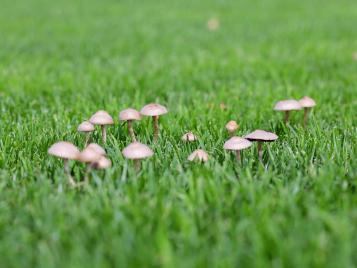
Image Source: www.lovethegarden.com
How Do I Stop Mushrooms Growing In My Lawn? Expert Tips
Mushrooms in your lawn are a common sight, but how do you stop them from growing? To stop mushrooms from growing in your lawn, you need to address the underlying conditions that encourage fungal growth, primarily excess moisture and decaying organic matter.
Seeing mushrooms pop up on your lawn can be a bit of a surprise. While they’re a natural part of the ecosystem, most homeowners prefer a pristine, green expanse without these earthy growths. Fortunately, you can take steps to discourage mushroom formation and promote a healthier lawn. This guide will walk you through why mushrooms appear and provide expert tips for their control and prevention, focusing on improving overall lawn health improvement.
Why Do Mushrooms Appear in My Lawn?
Mushrooms are the fruiting bodies of fungi. They’re like the apples on a tree – the visible part of a much larger underground network called mycelium. This mycelium is constantly working, breaking down organic material in the soil. Mushrooms appear when certain conditions are just right for this reproductive cycle.
Here are the main reasons you might be seeing mushrooms:
- Excess Moisture: Fungi thrive in damp conditions. Overwatering, poor drainage, or heavy rainfall can create the ideal environment for mushroom growth.
- Decomposing Organic Matter: The mycelium feeds on decaying material. This can include buried pet waste, dead trees or roots, excessive thatch, or even organic matter left from previous lawn treatments.
- Shady Areas: Shady spots on your lawn tend to stay moist longer, providing a more hospitable environment for fungi.
- Compacted Soil: Compacted soil restricts air and water movement, which can lead to localized moisture buildup where fungi can flourish.
- Thatch Buildup: A thick layer of thatch (dead and living grass stems and roots) can trap moisture and provide a food source for fungi.
Understanding the Role of Fungi in Your Lawn
It’s important to note that not all lawn fungi are detrimental. Many play a crucial role in breaking down organic matter and returning nutrients to the soil. However, when these fungi produce visible mushrooms, it often indicates an imbalance in your lawn’s ecosystem. Addressing the conditions that favor mushroom growth will naturally lead to better lawn fungi control.
Practical Steps for Mushroom Removal and Prevention
The goal is not to eradicate all fungi (which is impossible and undesirable) but to create a lawn environment that is less conducive to mushroom formation. This involves a multi-pronged approach focusing on organic lawn care principles and good maintenance practices.
1. Managing Moisture Levels
Controlling moisture is perhaps the most crucial step in lawn fungi control.
- Water Wisely:
- Water your lawn deeply and less frequently. This encourages deeper root growth, making the grass more resilient.
- Water in the morning. This allows the grass blades to dry off before nightfall, reducing the chance of fungal growth.
- Check your sprinkler system for leaks or over-spraying. Ensure water is reaching the roots, not just the surface.
- Improve Drainage:
- If you have areas that consistently stay waterlogged, investigate the cause. This might involve improving grading or considering installing a drainage system.
- Lawn aeration is a fantastic way to improve water penetration and reduce surface runoff. It creates small holes in the soil, allowing air, water, and nutrients to reach the roots more effectively.
2. Reducing Organic Matter
The mycelium needs food, and decaying organic matter is its primary source.
- Remove Pet Waste Promptly: Pet waste is rich in nitrogen and can create fertile ground for mushrooms. Clean up after your pets immediately.
- Address Buried Debris: If you suspect buried wood or roots from old trees, these can be a significant food source for fungi. While excavation can be a major task, removing large pieces of decaying wood will help.
- Thatch Removal: A healthy lawn typically has a thin layer of thatch. If it’s more than half an inch thick, it’s time to act.
- Dethatching (Scarifying): This process involves mechanically removing the thatch layer. You can rent a dethatcher or scarifier. Do this in the spring or fall when the grass is actively growing. This is a key part of lawn health improvement.
- Clean Up Debris: Regularly rake leaves, grass clippings, and other organic debris from your lawn.
3. Aeration and Its Benefits
As mentioned, lawn aeration is a powerful tool for combating mushroom growth and improving overall lawn health improvement.
- How Aeration Helps:
- Reduces Compaction: Loosens tightly packed soil, allowing better air and water circulation.
- Improves Drainage: Water can penetrate deeper into the soil instead of pooling on the surface.
- Reduces Thatch: While not a direct thatch remover, aeration helps break down thatch by allowing air and microorganisms to reach it.
- Stimulates Root Growth: Healthier roots lead to a more robust lawn that can better resist fungal issues.
4. Improving Air Circulation
Good airflow helps dry out the lawn surface and can deter fungi.
- Prune Overhanging Branches: If trees and shrubs are casting dense shade and preventing air circulation, consider selectively pruning them.
- Avoid Overcrowding Plants: Ensure garden beds bordering your lawn aren’t packed so tightly that they impede airflow.
5. Dealing with Existing Mushrooms
While preventing them is ideal, you might still need to remove existing mushrooms.
- Manual Removal: The simplest method is to pick them by hand. Use a glove or a small spade to dig them out, making sure to get the entire mushroom, including the underground part. Dispose of them in a sealed bag in the trash – don’t compost them, as the spores can spread. This is mushroom removal in its most basic form.
- Foot Traffic: Some people find that simply walking over the mushrooms can break them up. However, this doesn’t address the root cause.
- Top-dressing: After removing mushrooms, consider lightly top-dressing the area with a compost and sand mixture. This can help to smooth out the soil and provide a less hospitable surface for future fungal growth.
6. Chemical Treatments (Use with Caution)
While organic lawn care is often preferred, in some cases, a chemical fungicide for lawn might be considered.
- When to Consider Fungicides:
- If mushrooms are a persistent and widespread problem.
- If you suspect an underlying fungal lawn disease causing the mushrooms.
- As a last resort after trying cultural practices.
- Types of Fungicides:
- Broad-spectrum fungicides: These can control a wide range of fungal issues but may also harm beneficial soil microbes.
- Targeted fungicides: Specific formulations might be available for common lawn fungi.
- Important Considerations:
- Identify the Fungus: If possible, try to identify the specific fungus causing the problem. This will help in choosing the right fungicide.
- Read Labels Carefully: Always follow the product label instructions regarding application rates, timing, and safety precautions.
- Environmental Impact: Be aware of the potential impact on beneficial insects, pets, and the environment. Many homeowners opt for less aggressive or organic lawn care solutions.
- Consult a Professional: If you’re unsure about using chemicals, it’s best to consult a local horticulturalist or lawn care professional.
7. Fertilization and Soil Health
A healthy, well-fed lawn is more resilient.
- Balanced Fertilization: Use a balanced fertilizer appropriate for your grass type and the season. Avoid over-fertilizing, especially with high-nitrogen formulas, which can promote lush, weak growth susceptible to disease.
- Soil Testing: Consider getting your soil tested. This will reveal nutrient deficiencies or imbalances that might be contributing to lawn problems.
- Composting: Top-dressing your lawn with a thin layer of high-quality compost can improve soil structure, fertility, and microbial activity, contributing to overall lawn health improvement and discouraging fungal issues. This aligns perfectly with organic lawn care.
Identifying Mushroom Types and Their Signs
While most common lawn mushrooms are harmless to grass, knowing what you’re dealing with can be helpful. Mushrooms often grow in rings, known as “fairy rings,” which are caused by the spreading mycelium. These rings can sometimes be accompanied by dead grass patches within or around the ring, indicating stress on the turf.
Here’s a simplified look at common mushroom types and their associations:
| Mushroom Type | Common Appearance | Potential Lawn Issues |
|---|---|---|
| Common Field Mushroom | White to brown cap, white gills | Often indicates rich organic matter, generally harmless. |
| Ink Caps | Tall, slender, white to grey caps that dissolve into an inky liquid | Grow in fertilized lawns or areas with decaying roots. |
| Coprinus spp. | Similar to Ink Caps, some varieties are toxic. | Flourish in damp conditions and decaying material. |
| Puffballs | Round or pear-shaped, white to brown. Spores are released when stepped on. | Often found in grassy areas, sometimes indicating buried wood. |
| Shaggy Mane | Oval to conical white cap, shaggy scales, gills turn black and liquefy. | Appears in lawns and disturbed soil. |
Note: It’s crucial to remember that distinguishing between edible and poisonous mushrooms requires expert knowledge. Never consume lawn mushrooms unless you are an experienced and confident mycologist.
Long-Term Strategies for a Mushroom-Free Lawn
Consistent maintenance is key to preventing recurring mushroom problems.
- Regular Aeration: Make lawn aeration a routine practice, perhaps once every 1-2 years, especially if you have clay soil.
- Seasonal Dethatching: Dethatch when thatch buildup becomes noticeable.
- Proper Watering Schedule: Establish a watering routine that promotes deep roots and dry leaf surfaces.
- Consistent Cleanup: Keep your lawn free of leaves, twigs, and pet waste.
- Monitor Soil Conditions: Pay attention to areas that remain wet or develop dead grass patches. These are indicators of underlying issues that need attention for effective lawn fungi control.
When to Call a Professional
If you’ve tried various methods and mushrooms continue to be a persistent problem, or if you suspect a widespread fungal lawn disease, it might be time to consult a professional. A qualified lawn care service can:
- Accurately diagnose any underlying fungal lawn disease.
- Recommend appropriate garden mushroom treatment or fungicide for lawn if necessary.
- Provide specialized lawn aeration or thatch removal services.
- Offer tailored advice for your specific lawn type and climate.
Conclusion: Cultivating a Healthy Lawn Ecosystem
Stopping mushrooms from growing in your lawn is less about eliminating fungi and more about cultivating a healthy, balanced lawn ecosystem. By focusing on proper watering, good drainage, reducing decaying organic matter, and ensuring adequate air circulation, you can significantly discourage mushroom formation. Embracing organic lawn care principles will not only keep mushrooms at bay but will also lead to a more resilient, vibrant, and beautiful lawn in the long run. Remember that consistent care and attention to lawn health improvement are your best defenses against unwanted lawn visitors.
Frequently Asked Questions (FAQ)
Q1: Are mushrooms in my lawn dangerous?
Most mushrooms found in lawns are not dangerous to the grass itself. However, some varieties can be poisonous if ingested by pets or children, so it’s always best to remove them and prevent consumption.
Q2: Can I just mow the mushrooms?
Mowing will cut down the visible mushroom, but it won’t eliminate the underground mycelium. The mushrooms will likely regrow. While mowing can help break them up, it’s not a long-term solution for mushroom removal.
Q3: How long does it take to get rid of mushrooms?
Getting rid of mushrooms is an ongoing process. By consistently applying the recommended lawn care practices, you can significantly reduce their appearance over several weeks and months. It requires patience and regular maintenance.
Q4: Is it bad if I have dead grass patches around mushrooms?
Yes, dead grass patches associated with mushrooms can indicate a more significant issue. This might be a localized problem with drainage, excessive thatch, or a more aggressive fungal lawn disease. Addressing the underlying cause is crucial for lawn health improvement.
Q5: Do fairy rings mean my lawn is unhealthy?
Fairy rings are a sign of fungal activity, often indicating the presence of mycelium in the soil. While the ring itself might show discolored or dead grass patches, the overall health of the lawn within and around the ring depends on how well the underlying conditions are managed. Proper lawn aeration and thatch removal can help mitigate the visual impact.