
Can you kill mushrooms in your lawn permanently? Yes, you can significantly reduce mushroom growth and eliminate them for good by addressing the underlying conditions that encourage them. What is the best way to remove lawn mushrooms? The best way involves a combination of understanding why they appear and employing natural, safe methods for mushroom control lawn.
Mushrooms popping up in your lawn can be a puzzling and sometimes unsightly problem. While they are a natural part of the ecosystem, their presence in excessive numbers can signal underlying issues with your lawn’s health. This guide will delve into effective strategies for fungus removal lawn, focusing on natural & safe fixes to ensure your lawn thrives. We’ll cover everything from identifying the causes to implementing long-term solutions for mushroom control lawn and lawn health mushrooms.
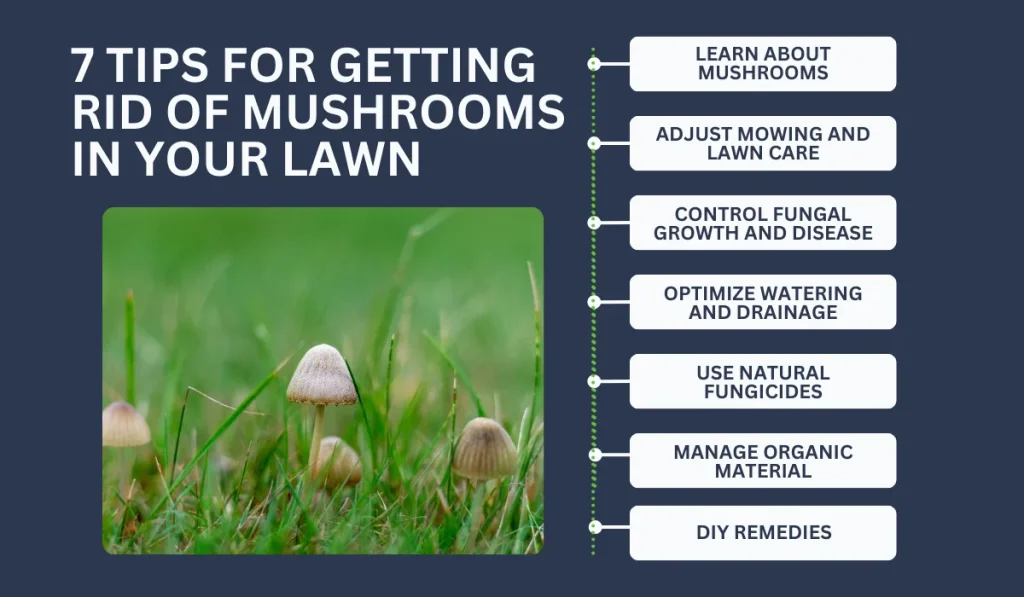
Image Source: sodlawn.com
Why Do Mushrooms Grow in My Lawn?
Mushrooms are the fruiting bodies of fungi. These fungi are often present in the soil, breaking down organic matter. Their appearance above ground is usually triggered by specific environmental conditions. Grasping these triggers is key to your mushroom treatment lawn plan.
Several factors contribute to mushroom growth:
- Excessive Moisture: Fungi thrive in damp environments. Overwatering, poor drainage, or prolonged periods of rain can create ideal conditions.
- Decomposing Organic Matter: Mushrooms feed on decaying material in the soil. This can include thatch buildup, buried wood or roots, dead animal matter, or even fallen leaves and grass clippings that haven’t decomposed properly.
- Shade: Many types of fungi prefer shaded areas where moisture lingers longer.
- Compacted Soil: Compacted soil restricts air circulation and water drainage, creating a consistently moist environment that benefits fungi.
- Nutrient Imbalances: While not a direct cause, unhealthy soil lacking proper aeration and nutrient balance can be more susceptible to fungal growth.
The Role of Fairy Rings
One of the most recognizable mushroom formations is the “fairy ring.” These are circles or arcs of mushrooms that appear in the grass. They are caused by a single fungal organism spreading outwards from a central point. As the fungus decomposes organic matter in the soil, it consumes nitrogen, leading to darker green grass within the ring, and can eventually deplete nutrients, causing a band of dead or stressed grass outside the ring. Eliminating fairy rings often requires a more targeted approach to lawn care mushrooms.
Natural & Safe Methods for Mushroom Removal Lawn
Instead of reaching for harsh chemicals, many effective and eco-friendly methods can help you get rid of lawn mushrooms. These focus on improving your lawn’s overall health, which naturally discourages fungal growth.
1. Improve Drainage and Reduce Moisture
Water management is paramount for kill lawn fungi.
- Adjust Watering Schedule: Water deeply but less frequently. Aim for about an inch of water per week, applied in the morning so the grass has time to dry before evening.
- Aeration: Aerating your lawn helps to break up soil compaction, allowing water to penetrate more effectively and improving air circulation. This is a fundamental step in lawn health mushrooms.
- Improve Soil Drainage: If your soil holds water for extended periods, consider amending it with organic matter like compost to improve its structure and drainage capabilities. For severe drainage issues, installing a drainage system might be necessary.
2. Remove Decomposing Organic Matter
Mushrooms feed on what’s beneath the surface. Removing their food source is a critical aspect of mushroom control lawn.
- Rake Regularly: Keep your lawn free of fallen leaves, grass clippings, and other debris.
- Dethatch: Thatch is a layer of dead and living grass stems and roots that accumulates between the grass and the soil. Excessive thatch provides a perfect breeding ground for fungi. Dethatch your lawn annually or as needed.
- Identify and Remove Buried Wood: If you suspect buried wood or roots are the culprit, carefully excavate the area and remove the material.
3. Address Shady Areas
If your lawn has persistent mushroom problems in shaded spots, consider these solutions:
- Prune Trees and Shrubs: Trim back overhanging branches and shrubs to allow more sunlight to reach the affected areas.
- Choose Shade-Tolerant Grass Varieties: If shading is unavoidable, consider overseeding with grass types that are more tolerant of low-light conditions.
4. Aeration for Better Airflow
As mentioned under drainage, aeration is crucial. It helps the soil breathe and reduces the consistently damp conditions that fungi love. This is a proactive lawn care mushrooms strategy.
5. Manage Thatch Buildup
A healthy layer of thatch is about half an inch. Anything more can create a damp, shaded environment ideal for mushrooms.
- Dethatching Tools: Use a mechanical dethatcher or a power rake to remove excess thatch. This process can be done in the spring or fall.
6. Natural Mushroom Killers
While the goal is to prevent growth, sometimes you need to deal with existing mushrooms.
- Manual Removal: The simplest method is to pick mushrooms by hand as soon as they appear. Dispose of them in a sealed bag to prevent spore dispersal. This doesn’t kill the fungus itself but removes the visible symptom.
- Baking Soda Solution: A solution of baking soda and water can be effective for spot treatment. Mix 1 tablespoon of baking soda with a gallon of water and spray directly onto the mushrooms. While safe, it may temporarily affect grass color in the treated area.
- Vinegar Solution (Diluted): A diluted vinegar solution (1 part white vinegar to 4 parts water) can also kill mushrooms on contact. Be cautious, as too much vinegar can harm grass. This is a more aggressive natural mushroom treatment lawn option.
- Lime: Applying agricultural lime to your lawn can raise the soil pH, making it less acidic and less hospitable to certain types of fungi. However, it’s crucial to test your soil pH first, as excessive liming can be detrimental. Consult your local extension office for recommended application rates.
Tackling Fairy Rings: A Specific Mushroom Control Lawn Strategy
Eliminate fairy rings requires patience and persistence. Since they are caused by an actively growing fungus, interrupting its growth cycle is key.
1. Identify the Ring
Fairy rings are characterized by a circle or arc of mushrooms, or a band of differently colored grass (darker green or brown).
2. Improve Lawn Health in the Ring Area
- Aeration: Aerate the entire affected area, including the grass outside the ring, to improve soil health and reduce moisture retention.
- Topdressing: Adding a thin layer of compost or good quality topsoil to the ring area can help reintroduce beneficial microbes and nutrients, diluting the fungal presence.
- Watering: Ensure the area receives adequate, but not excessive, water.
3. Breaking Up the Fungal Mat
The fungus often creates a dense mat beneath the surface.
- Spiking or Coring: Use a garden fork or aeration tool to spike deep into the soil within the fairy ring. This helps break up the fungal mat and allows water and nutrients to reach the deeper soil layers.
- Fertilizing (Cautiously): Applying a nitrogen-rich fertilizer to the entire lawn, including the fairy ring area, can help the grass outcompete the fungus for nutrients and potentially mask the visual symptoms of the ring. However, avoid over-fertilizing, which can worsen moisture retention.
4. Chemical Treatments (Last Resort)
For severe or persistent fairy rings, chemical fungicides might be considered, but these should be a last resort due to their potential impact on beneficial soil organisms and the environment. Always follow label instructions carefully and consider a professional applicator. These are typically for fungus removal lawn when natural methods are insufficient.
Long-Term Lawn Health: The Best Way to Remove Lawn Mushrooms
The most effective strategy for mushroom control lawn and preventing future outbreaks is to cultivate a healthy, robust lawn. A healthy lawn is naturally more resistant to fungal diseases.
1. Proper Mowing Techniques
- Mow at the Correct Height: Keep your grass at the recommended height for your specific grass type. Taller grass promotes deeper root growth, which helps the lawn withstand stress and drought, making it less susceptible to fungal issues.
- Keep Mower Blades Sharp: Dull blades tear grass, creating wounds that are entry points for diseases and fungi.
2. Balanced Fertilization
- Soil Testing: Get your soil tested to determine nutrient deficiencies and pH levels. This will guide your fertilization program.
- Apply Fertilizer Appropriately: Use a balanced fertilizer according to soil test recommendations. Fertilize during the appropriate seasons for your grass type. Avoid over-fertilizing, especially with nitrogen, as this can lead to excessive thatch buildup and lush growth that is more prone to disease.
3. Overseeding for Density
- Fill Bare Spots: Overseed your lawn annually, especially in the fall, to fill in any thin or bare patches. A dense turf is more competitive against weeds and fungi.
4. Watering Wisely
- Deep and Infrequent Watering: As mentioned earlier, this encourages deep root growth and reduces the time the grass blades stay wet, discouraging fungal growth.
Summary of Mushroom Treatment Lawn Strategies
| Method | Description | Best For |
|---|---|---|
| Improve Drainage | Aerate, adjust watering, amend soil. | Preventing overall fungal growth, reducing moisture. |
| Remove Organic Matter | Rake debris, dethatch, remove buried wood. | Starving the fungus, preventing new growth. |
| Address Shade | Prune trees, choose shade-tolerant grass. | Areas with persistent shade. |
| Aeration | Spike or core the lawn. | Compaction, improving airflow and drainage. |
| Thatch Management | Dethatch regularly. | Reducing the damp, shaded layer that harbors fungi. |
| Manual Removal | Pick mushrooms by hand. | Removing visible signs quickly. |
| Baking Soda/Vinegar | Spot treat mushrooms with diluted solutions. | Quick, localized treatment. Use with caution. |
| Lime Application | Adjust soil pH (after testing). | Less acidic environments can deter certain fungi. |
| Fairy Ring Spiking | Spike deep into the soil within the ring. | Breaking up the fungal mat in fairy rings. |
| Overseeding | Fill in thin areas for a denser turf. | Improving overall lawn density and resilience. |
| Proper Mowing/Watering | Mow at correct height, water deeply but infrequently. | Long-term lawn health and disease prevention. |
Frequently Asked Questions About Lawn Mushrooms
Q1: Are lawn mushrooms harmful to my pets or children?
A1: Most lawn mushrooms are not inherently toxic to pets or children simply by contact. However, it is crucial to prevent pets and children from eating any mushrooms found in the lawn, as some wild mushrooms can be poisonous. If ingestion is suspected, contact your veterinarian or a poison control center immediately. For peace of mind, removing any mushrooms that appear is the safest approach.
Q2: How quickly can I expect to see results from natural mushroom removal methods?
A2: Natural methods focus on improving the overall health of your lawn, which is a long-term strategy. You will likely see a reduction in mushroom growth over several weeks to months as your lawn becomes healthier and less hospitable to fungi. Addressing the underlying causes of moisture and organic matter is key for sustainable mushroom control lawn.
Q3: What if I have tried everything and still have mushrooms?
A3: If natural methods haven’t yielded satisfactory results, it might be beneficial to consult with a local lawn care professional or your county’s agricultural extension office. They can help diagnose specific soil conditions or fungal types that might require more targeted mushroom treatment lawn or specialized approaches to fungus removal lawn.
Q4: Can I just ignore the mushrooms?
A4: While ignoring them won’t necessarily harm your lawn’s health directly, their presence often indicates underlying issues like poor drainage or excessive thatch. These conditions, if left unaddressed, can weaken your turf, making it more susceptible to other lawn diseases. Therefore, it’s generally advisable to address the cause of mushroom growth for optimal lawn health mushrooms.
Q5: Is there a specific type of mushroom that indicates a serious problem?
A5: Most common lawn mushrooms are not indicative of a single, specific serious disease. They are generally a symptom of conditions that favor fungal growth. However, if you notice accompanying symptoms like unusual spots, wilting, or dieback of the grass itself, this might point to a more serious fungal disease, requiring proper lawn disease control.
Q6: What is the best way to remove lawn mushrooms that have popped up after rain?
A6: After rain, the best immediate action is manual removal. Pick them and discard them properly. Then, focus on improving drainage and airflow to prevent their return. This proactive approach is part of effective mushroom control lawn.
Q7: How do I prevent fairy rings from coming back?
A7: Preventing fairy rings involves consistent good lawn care mushrooms. This includes aerating, dethatching, proper watering, and ensuring good soil health. By creating an environment where the underlying fungus cannot thrive, you can effectively eliminate fairy rings.
Q8: Can I use commercial mushroom killers?
A8: While commercial mushroom killers exist, this guide focuses on natural and safe fixes. Many chemical treatments can harm beneficial soil microbes, pets, and the environment. If you opt for chemical control, choose products specifically designed for lawn mushrooms and follow all label instructions meticulously. It’s always best to explore natural solutions first for lawn health mushrooms.
By implementing these natural and safe strategies, you can effectively manage and eliminate mushrooms from your lawn, promoting a healthier, more vibrant, and aesthetically pleasing outdoor space. Remember, a healthy lawn is your best defense against unwanted fungal guests.