
Thinking about a complete lawn makeover? You can definitely kill your lawn and start over. This guide will walk you through the process of lawn removal and setting the stage for a beautiful new lawn.
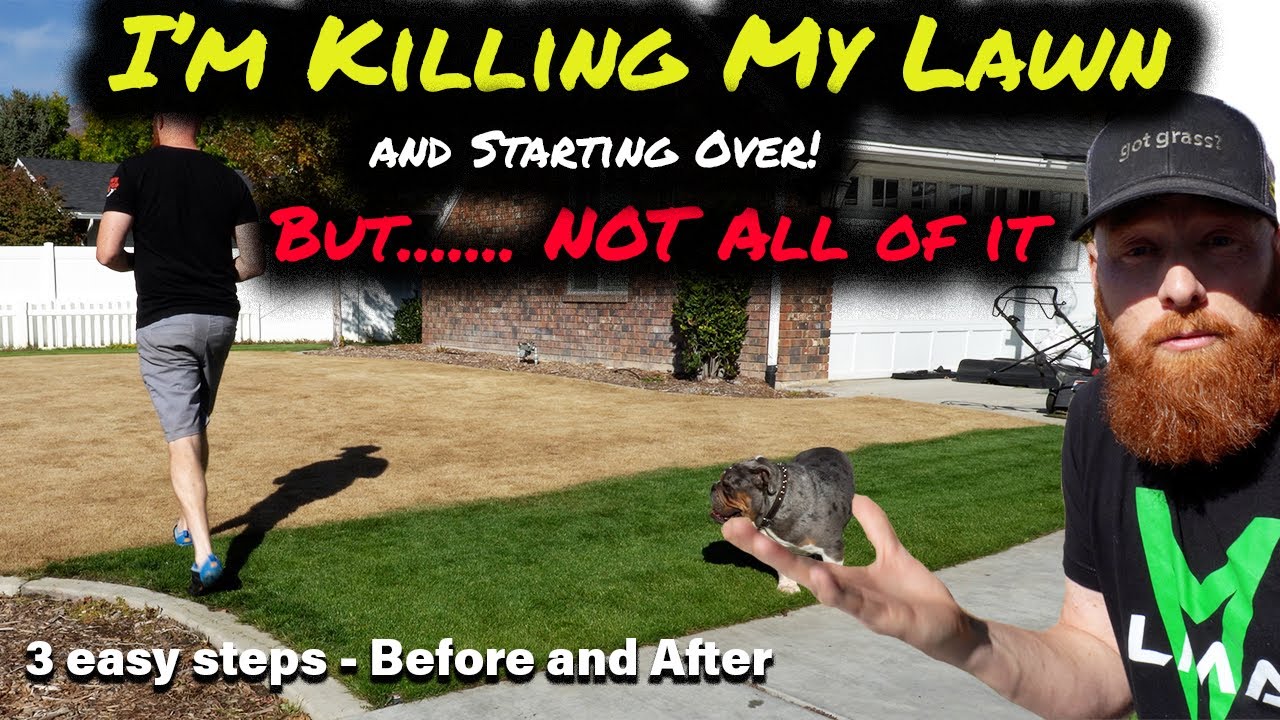
Image Source: i.ytimg.com
Why Remove Your Existing Lawn?
Many homeowners wonder why they’d want to get rid of a perfectly good lawn. There are several compelling reasons. Your current grass might be unhealthy, full of weeds, or simply not the type of turf you desire for your yard. Perhaps you’re aiming for a more water-wise landscape, a native plant garden, or even a vegetable patch. Whatever your motivation, embarking on lawn renovation is a significant but rewarding project.
Common Reasons for Lawn Removal:
- Weed Infestation: If your lawn is overrun with stubborn weeds that you can’t control with regular treatments, starting fresh might be the easiest solution.
- Poor Grass Health: Thin, patchy grass that doesn’t respond to proper care could indicate underlying soil issues or the wrong grass type for your climate.
- Desire for a New Look: You might want to change the shape of your lawn, add garden beds, or switch to a more low-maintenance ground cover.
- Drought Tolerance: In areas with water restrictions, converting to drought-tolerant grasses or landscaping can save water and money.
- Disease or Pest Problems: Persistent fungal diseases or insect infestations can weaken your lawn to the point where grass eradication is the best option.
- Installation of New Features: Adding a patio, pool, or play area often requires removing the existing turf.
Methods for Lawn Removal: Killing Your Grass
The core of lawn replacement is effectively killing the grass and its root system. There are several methods, each with its pros and cons. The best approach often depends on your timeline, environmental concerns, and personal preferences.
Method 1: Chemical Treatment (Herbicides)
Using herbicides is often the quickest way to kill grass. This method involves applying a chemical solution that targets and kills plant life.
Types of Herbicides:
- Non-selective Herbicides: These kill all plants they come into contact with. Glyphosate is a common active ingredient. It’s effective but requires careful application to avoid damaging desired plants.
- Selective Herbicides: These target specific types of plants (e.g., broadleaf weeds) but are generally not used for complete lawn removal.
How to Use Herbicides for Lawn Removal:
- Choose the Right Time: Apply when the grass is actively growing, typically in spring or early fall. Avoid windy days to prevent drift.
- Read the Label Carefully: Always follow the manufacturer’s instructions regarding mixing ratios, application rates, and safety precautions.
- Apply Evenly: Use a sprayer for consistent coverage.
- Wait: Allow sufficient time for the herbicide to work. This can take anywhere from a few days to a couple of weeks, depending on the product and weather conditions. You’ll see the grass turn brown and die.
- Remove Dead Grass: Once the grass is completely dead, you can rake it up or use a sod cutter.
Pros of Herbicide Treatment:
- Speed: Generally the fastest method for grass eradication.
- Effectiveness: Highly effective at killing existing grass and roots.
Cons of Herbicide Treatment:
- Environmental Impact: Chemicals can harm beneficial insects, soil microbes, and potentially contaminate water sources.
- Safety Concerns: Requires careful handling to protect yourself, pets, and children.
- Potential for Re-sprouting: Some hardy grasses might require repeat applications.
- Waiting Period: You may need to wait a period after application before planting new grass to avoid harming it.
Method 2: Smothering the Lawn (Solarization and Sheet Mulching)
These methods involve covering the lawn to block sunlight and air, effectively suffocating the grass. They are excellent icide alternatives for those seeking an organic approach.
Solarization:
This technique uses clear plastic sheeting to trap solar heat, effectively “cooking” the grass and any weed seeds.
How to Solarize Your Lawn:
- Mow Short: Mow the lawn as short as possible.
- Water Thoroughly: Water the lawn to increase soil moisture, which helps conduct heat.
- Cover Tightly: Lay down clear, heavy-duty polyethylene plastic sheeting over the entire area.
- Secure Edges: Bury the edges of the plastic deeply in the soil or weigh them down with rocks or boards to create a tight seal. This prevents air and heat from escaping.
- Wait: Leave the plastic in place for 4-6 weeks during the hottest part of the year (summer). The trapped heat will kill the grass and many weed seeds.
- Remove and Prepare: Remove the plastic and dead grass. The soil will be ready for preparing soil for your new lawn.
Sheet Mulching (Lasagna Gardening):
This involves layering organic materials over the lawn to block light and decompose, creating a rich soil bed.
How to Sheet Mulch Your Lawn:
- Mow Short: Mow the grass as short as possible.
- Water: Water the area.
- Layer Cardboard or Newspaper: Cover the entire lawn with a thick layer of plain cardboard (remove all tape and labels) or several layers of newspaper. Overlap the edges generously to ensure no light can penetrate.
- Add Organic Matter: Layer on organic materials such as compost, shredded leaves, grass clippings, straw, or aged manure. Aim for several inches of material.
- Top with Mulch: Finish with a layer of wood chips or other mulch.
- Wait: Allow 3-6 months (or longer) for the materials to decompose. This method can be done in fall for spring planting.
- Planting: You can often plant directly into the compost layer or remove the top mulch layer to expose the decomposed material.
Pros of Smothering Methods:
- Organic and Eco-Friendly: No chemicals involved.
- Improves Soil: Sheet mulching adds valuable organic matter to your soil.
- Kills Weeds: Also helps to kill many weed seeds present in the soil.
Cons of Smothering Methods:
- Time-Consuming: Requires a significant waiting period.
- Aesthetics: The covered area won’t look appealing during the process.
- Effectiveness Varies: May not completely kill very deep-rooted perennial weeds.
Method 3: Physical Removal (Sod Cutting)
This is a labor-intensive but immediate way to achieve lawn removal. It involves physically cutting and removing the existing turf.
How to Use a Sod Cutter:
- Rent a Sod Cutter: These machines can be rented from most equipment rental stores.
- Moisten the Soil: Water the lawn lightly an hour or two before use. This makes cutting easier.
- Adjust Depth: Set the sod cutter to cut about 1-2 inches deep, just enough to sever the grass roots.
- Operate the Sod Cutter: Push or drive the machine across the lawn, cutting the sod into manageable strips.
- Roll or Fold Sod: Roll or fold the strips of sod as you cut them.
- Dispose or Reuse: You can compost the sod, use it for patches elsewhere, or dispose of it.
Pros of Physical Removal:
- Immediate Results: The lawn is gone instantly.
- No Chemicals: An environmentally sound option.
- Clear Soil: The soil is immediately ready for preparing soil.
Cons of Physical Removal:
- Labor Intensive: Requires significant physical effort.
- Cost: Sod cutter rental can add to the project cost.
- Heavy Lifting: The removed sod is heavy.
Preparing the Soil for Your New Lawn
Once the old grass is gone, the crucial step is preparing soil for your new lawn. This stage determines the success of your new turf.
Steps for Soil Preparation:
- Clear Debris: Remove any remaining grass clippings, roots, rocks, or other debris from the lawn removal area.
- Test Your Soil: Conduct a soil test. This will tell you the pH level and nutrient content of your soil. Local cooperative extension offices often provide this service.
- Amend the Soil: Based on the soil test results, amend your soil.
- Adjust pH: If your soil is too acidic or too alkaline, you’ll need to add lime (to raise pH) or sulfur (to lower pH).
- Improve Fertility: Add organic matter like compost, aged manure, or peat moss. This improves drainage, aeration, and nutrient retention.
- Improve Drainage: If your soil is heavy clay, incorporate compost and potentially coarse sand or perlite. For sandy soil, add more organic matter to help retain moisture.
- Loosen the Soil: Till or double-dig the soil to a depth of at least 6-8 inches. This loosens compacted soil, making it easier for new grass roots to establish. You can use a tiller, a spade, or a garden fork.
- Rake and Level: Rake the loosened soil smooth, breaking up any large clumps. Remove any stones or debris that surface. Create a level surface, but avoid compacting the soil too much. A slight slope away from any buildings is beneficial for drainage.
- Final Raking and Rolling: Rake the area one last time to create a fine seedbed. You can then use a lawn roller (filled with water) to lightly compact the soil. This helps prevent the seed from being buried too deeply and improves seed-to-soil contact. Don’t over-roll, as this can create a hard surface.
Choosing Your New Lawn Solution
With the old lawn gone and the soil prepped, you’re ready to create your new lawn. You have two primary options: seeding or sodding.
Option 1: Seeding
Seeding involves sowing grass seeds directly onto the prepared soil.
Selecting the Right Grass Seed:
- Climate: Choose a grass type suited to your region’s climate (cool-season or warm-season grasses).
- Sunlight: Consider the amount of sunlight your lawn receives (full sun, partial shade, or full shade).
- Usage: Think about how you’ll use your lawn. High-traffic areas require durable grasses.
- Drought Tolerance: If water conservation is a priority, select drought-tolerant varieties.
- Mixtures: Often, a blend of different grass types offers the best resilience and appearance.
How to Seed Your Lawn:
- Timing is Key: Seed in the optimal season for your chosen grass type. Cool-season grasses are best seeded in early fall or early spring. Warm-season grasses are best seeded in late spring or early summer.
- Spread the Seed: Use a spreader (broadcast or drop spreader) for even distribution. Follow the recommended seeding rate on the seed bag.
- Rake Gently: Lightly rake the seeded area to ensure good seed-to-soil contact. The seeds should be lightly covered with soil (about 1/8 to 1/4 inch deep).
- Water Consistently: Keep the seedbed consistently moist. Water lightly several times a day until germination occurs. Once the grass is about an inch tall, you can water less frequently but more deeply.
- Fertilize: Apply a starter fertilizer recommended for new lawns after seeding.
- Mowing: Mow when the grass reaches about 3 inches in height. Set your mower to a higher setting for the first few mowings.
Pros of Seeding:
- Cost-Effective: Generally less expensive than sodding.
- Wider Variety: Access to a broader range of grass types and mixtures.
- Deeper Roots: Seeds develop deeper root systems over time, leading to a more drought-tolerant lawn.
Cons of Seeding:
- Patience Required: Takes time for germination and establishment.
- Weed Competition: New seedlings are vulnerable to weeds.
- Environmental Factors: Germination can be affected by weather conditions.
Option 2: Sodding
Sodding involves laying down pre-grown turfgrass.
How to Sod Your Lawn:
- Purchase Quality Sod: Buy sod from a reputable supplier. Ensure it’s fresh and disease-free.
- Work in Sections: Lay the sod immediately after delivery. Start along a straight edge (like a driveway or sidewalk).
- Lay Sod Tightly: Place sod strips tightly together, with no gaps. Stagger the seams like laying bricks.
- Trim and Fit: Use a sharp knife or spade to trim the sod to fit edges and curves.
- Roll the Sod: Use a lawn roller to press the sod firmly into the soil. This ensures good contact and helps prevent drying out.
- Water Thoroughly: Water the newly laid sod immediately and deeply. Continue watering daily, or as needed, to keep the sod and the soil underneath moist for the first 2-3 weeks.
- Fertilize: Apply a starter fertilizer suitable for new sod.
- Mowing: Mow when the grass reaches about 3 inches in height. Avoid mowing until the sod is firmly rooted.
Pros of Sodding:
- Instant Results: Provides an instant, mature lawn.
- Erosion Control: Helps prevent soil erosion on slopes.
- Fewer Weeds: Sod is typically weed-free.
Cons of Sodding:
- Higher Cost: Significantly more expensive than seeding.
- Limited Variety: Fewer grass types are readily available as sod.
- Requires Immediate Attention: Sod can dry out and die quickly if not installed and watered promptly.
Maintaining Your New Lawn
Once your new lawn is established, proper maintenance is key to keeping it healthy and vibrant.
Key Maintenance Practices:
- Mowing: Mow regularly at the correct height for your grass type. Never remove more than one-third of the grass blade at a time.
- Watering: Water deeply and infrequently to encourage deep root growth. Water in the early morning to minimize evaporation and disease.
- Fertilizing: Follow a regular fertilization schedule based on your grass type and soil test results.
- Weed Control: Address weeds promptly before they spread.
- Aeration: Aerate your lawn annually or biannually to relieve soil compaction and improve air, water, and nutrient penetration.
- Dethatching: Remove excess thatch (dead grass and roots) if it builds up, as it can block water and nutrients.
Frequently Asked Questions (FAQ)
Q1: How long does it take to kill my lawn using herbicides?
A1: It typically takes 1-2 weeks for most herbicides to fully kill the grass, depending on the product and weather conditions.
Q2: Can I plant new grass immediately after using a herbicide?
A2: No, you usually need to wait a specific period after applying a herbicide before planting new seeds or sod to avoid damaging the new grass. Always check the product label for re-entry and re-seeding times.
Q3: Is smothering my lawn better than using chemicals?
A3: For those prioritizing organic methods and soil health, smothering techniques like sheet mulching are often preferred. They are environmentally friendly but take considerably longer than chemical treatments.
Q4: When is the best time to start a lawn renovation project?
A4: The ideal time depends on your climate and chosen method. For seeding, early fall or early spring is generally best. For sodding, any time the ground isn’t frozen is suitable, but spring and fall offer the best growing conditions. For chemical lawn removal or solarization, summer is often optimal due to higher temperatures.
Q5: How much does it cost to kill a lawn and start over?
A5: Costs vary widely depending on the size of your lawn, the method you choose for grass eradication, and whether you seed or sod. Chemical treatments can be relatively inexpensive. Sodding is the most costly option upfront. Preparing soil and seeding fall somewhere in the middle.
Q6: Can I reuse the sod I remove?
A6: Yes, if the sod is healthy and you remove it carefully, you can transplant it to another area that needs patching, though it’s best to do this immediately.
Q7: What if I have very stubborn weeds like Bermuda grass or crabgrass?
A7: These grasses can be difficult to eradicate. You may need multiple applications of a non-selective herbicide or a combination of methods. Smothering with plastic for an extended period can also be effective.
By carefully planning and executing each step, you can successfully transform your old lawn into the beautiful, healthy new lawn you’ve always wanted.