
A typical lawn mower battery, especially for push mowers, ranges from 35 to 75 amp hours (Ah). Riding mower batteries often have higher amp hours, sometimes exceeding 100 Ah. However, the term “amps” alone can be misleading when discussing batteries; amp hours are a more accurate measure of a battery’s capacity.
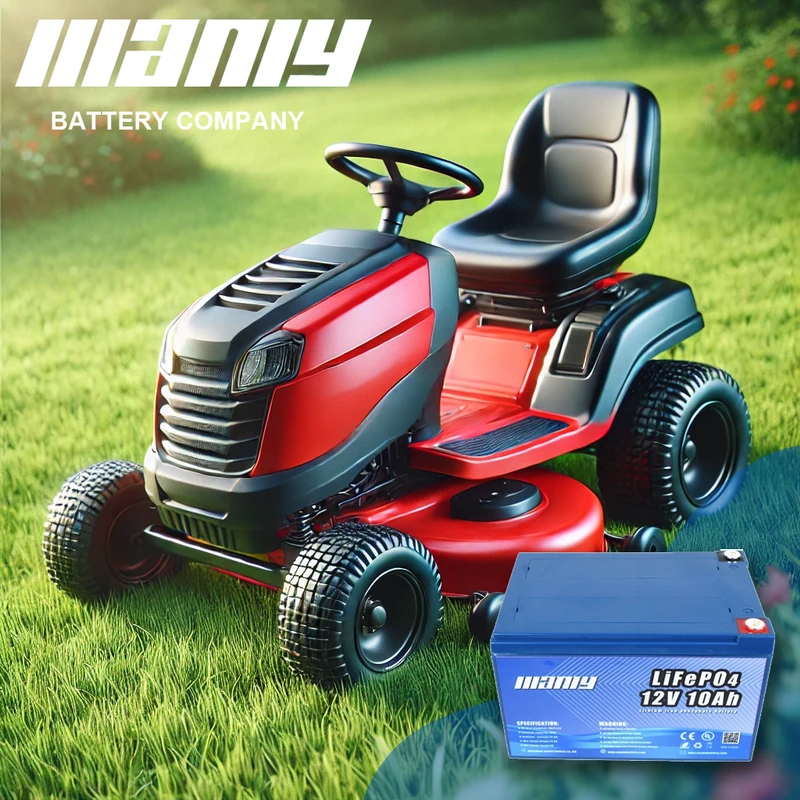
Image Source: manlybattery.com
Deciphering Lawn Mower Battery Capacity: Amp Hours Explained
When you’re looking at your lawn mower battery, you’ll likely see a number followed by “Ah.” This stands for amp hours, which is the primary way we measure a battery’s battery capacity. Think of it like a fuel tank for your mower’s electrical system. A higher amp hour rating means the battery can deliver a certain amount of current (amps) for a longer period.
For instance, a 50 Ah battery could theoretically deliver 5 amps for 10 hours, or 10 amps for 5 hours. This is crucial for determining how long your mower can run on a single charge, especially for electric models.
The Role of Battery Voltage
While amp hours tell us about capacity, battery voltage tells us about the electrical “pressure” the battery provides. Common voltages for lawn mower batteries are 12 volts (V) for most gas mowers and various voltages for electric mowers, often 20V, 40V, or even 80V for more powerful models.
- Higher Voltage: Generally leads to more power and efficiency for the mower’s motor.
- Higher Amp Hours: Means the mower can run for a longer time before needing to be recharged or replaced.
It’s important to match the voltage of your replacement battery to the specifications of your mower. Using a battery with the wrong voltage can damage your mower.
Different Mower Battery Types and Their Needs
The world of lawn mower batteries is diverse, with different types catering to various mower designs and power requirements.
Riding Mower Battery: Powering the Big Jobs
Riding mower battery units are designed to power larger engines and more complex electrical systems. These are almost always 12-volt systems and typically have higher amp hours than their push mower counterparts. You’ll often find batteries rated between 35 Ah and 75 Ah, and sometimes even higher for premium models.
These batteries are also rated for cold cranking amps (CCA). This is a measure of the battery’s ability to start an engine in cold temperatures. A higher CCA rating means the battery is more reliable in cooler weather. For a riding mower, you’ll want a CCA rating that meets or exceeds the manufacturer’s recommendation.
Push Mower Battery: Getting the Job Done
For push mower battery needs, especially for older gas-powered mowers that use a small electric start battery, the requirements are generally lower. These are typically 12-volt batteries and might have amp hour ratings in the lower end of the 35-75 Ah range, or even less if they are just for starting.
However, with the rise of electric mower battery technology, the landscape is changing. Many modern electric push mowers use rechargeable lithium-ion battery packs. These packs have their battery capacity measured differently, often in Watt-hours (Wh), but they can be converted to an equivalent amp hour rating at a specific voltage.
Electric Mower Battery: The Future of Cordless Cutting
The electric mower battery market is rapidly expanding. These batteries are typically lithium-ion and come in various voltages and capacities.
- Voltage: Commonly found in 20V, 40V, 60V, or 80V systems. Higher voltage often translates to more power and efficiency for the mower’s motor.
- Capacity: While some might still use Ah, many electric mower batteries use Watt-hours (Wh). To find an approximate Ah rating, you can use the formula: Ah = Wh / Voltage. For example, a 40V battery with 160 Wh capacity has an equivalent of 40 Ah (160 Wh / 40V = 40 Ah).
The advantage of electric mower batteries is their convenience and eco-friendliness. They also have a significantly longer battery lifespan compared to older lead-acid batteries.
What Affects Lawn Mower Battery Capacity?
Several factors can influence how much power your lawn mower battery can deliver and for how long.
Battery Age and Degradation
Like all batteries, lawn mower batteries degrade over time. Their ability to hold a charge and deliver power decreases with age and repeated use. This means a battery that was rated at 50 Ah when new might only deliver 40 Ah after a few years. This is a natural part of the battery lifespan.
Charging Habits and Battery Health
Proper charging a mower battery is crucial for its longevity and performance. Overcharging or undercharging can damage the battery. Lithium-ion batteries, common in electric mowers, are more forgiving than older lead-acid types, but still benefit from following the manufacturer’s charging guidelines.
Temperature Extremes
Both very hot and very cold temperatures can negatively impact battery performance and battery lifespan.
- Cold Temperatures: Reduce a battery’s chemical activity, lowering its effective capacity and cranking power. This is why cold cranking amps (CCA) is an important spec for starting batteries.
- Hot Temperatures: Accelerate the chemical reactions within the battery, which can lead to faster degradation and a shorter lifespan if consistently exposed to extreme heat.
Usage Patterns
How you use your mower also plays a role. Frequent starts and stops, or using the mower on very thick, tall grass that requires more power, will drain the battery faster.
Interpreting Battery Specifications: Beyond Just Amps
When choosing or replacing a lawn mower battery, looking beyond just the number of “amps” is important. You need to consider a combination of specifications.
Amp Hours (Ah) vs. Cold Cranking Amps (CCA)
- Amp Hours (Ah): Measures how much energy the battery stores. It tells you how long the battery can supply a certain amount of current. This is most relevant for electric mowers and the overall runtime of the mower.
- Cold Cranking Amps (CCA): Measures the battery’s ability to deliver a surge of power to start an engine, particularly in cold conditions. This is vital for gas mowers with electric start.
Table: Key Battery Specifications Explained
| Specification | Meaning | Importance for Mowers |
|---|---|---|
| Amp Hours (Ah) | How much current (amps) a battery can deliver over a specific time (hours). | Determines runtime for electric mowers; indicates reserve power for gas mowers. |
| Battery Voltage | The electrical potential difference the battery provides. | Must match mower’s electrical system for safe and efficient operation. |
| Watt-hours (Wh) | A measure of total energy stored (Voltage x Amp Hours). | Often used for electric mower batteries; provides a clear energy capacity comparison. |
| Cold Cranking Amps (CCA) | The current a battery can deliver for 30 seconds at 0°F (-18°C). | Crucial for starting gas engines, especially in cold weather. |
| Reserve Capacity (RC) | How long a fully charged battery can deliver 25 amps at 80°F (27°C). | Indicates how long the battery can power accessories if the alternator fails (gas mowers). |
How to Choose the Right Battery
Selecting the correct battery ensures your mower operates efficiently and safely.
Matching Your Mower’s Requirements
Always refer to your mower’s owner’s manual for the specific battery type, voltage, and recommended amp hours or CCA rating. Using a battery that is too small may result in poor performance or the inability to start. Using one that is too large might not fit or could be overkill.
Considering Battery Technology
- Lead-Acid: Traditional, heavier, and more affordable. They require maintenance (like checking water levels in some types). Their battery lifespan is typically 3-5 years.
- Lithium-ion: Lighter, more expensive, and require no maintenance. They offer a longer battery lifespan (often 5-10 years) and charge faster. These are the standard for most new electric mowers.
Battery Lifespan Considerations
When purchasing a new battery, consider its expected battery lifespan. While lead-acid batteries are cheaper upfront, a lithium-ion battery might be more cost-effective in the long run due to its longevity and better performance over time.
Caring for Your Lawn Mower Battery
Proper maintenance can significantly extend the battery lifespan of your lawn mower battery.
Proper Charging Practices
- Follow Manufacturer Instructions: Always use the charger recommended by the mower manufacturer.
- Avoid Overcharging: Many modern chargers have an automatic shut-off feature. If yours doesn’t, disconnect the battery once it’s fully charged.
- Charge Regularly: Even when not in use, batteries can self-discharge. Periodically charging a mower battery during off-season storage helps maintain its health.
Storage and Maintenance
- Clean Terminals: Corroded battery terminals can impede electrical flow. Clean them with a wire brush and a baking soda/water solution.
- Secure Installation: Ensure the battery is securely fastened in its tray to prevent damage from vibrations.
- Seasonal Storage: If storing the mower for an extended period (like over winter), it’s best to remove the battery and store it in a cool, dry place. Connect it to a trickle charger if possible.
The Science of Amp Hours and Power Delivery
Let’s delve a bit deeper into what amp hours actually signify in terms of delivering power.
Fathoming the Relationship Between Amps and Hours
An amp hour rating is a way to quantify the total amount of electrical charge a battery can store and deliver. It’s calculated by multiplying the current (in amps) by the time (in hours) the battery can sustain that current.
- Formula: Capacity (Ah) = Current (A) × Time (h)
This means a 50 Ah battery can theoretically:
* Deliver 5 Amps for 10 hours (5 A * 10 h = 50 Ah)
* Deliver 10 Amps for 5 hours (10 A * 5 h = 50 Ah)
* Deliver 25 Amps for 2 hours (25 A * 2 h = 50 Ah)
In reality, a battery’s ability to deliver higher currents is limited, and its effective capacity may decrease when discharged rapidly. This is where cold cranking amps (CCA) comes into play for starting engines, as it involves a very high current draw for a short period.
Capacity vs. Power: A Crucial Distinction
It’s important to distinguish between battery capacity (Ah or Wh) and power.
- Capacity relates to how long the battery can supply energy.
- Power relates to how much energy can be supplied at a given moment (measured in Watts). Power is calculated as Voltage × Current.
A mower with a higher voltage battery and a good amp hour rating will generally have both more power and longer runtimes.
Frequently Asked Questions About Lawn Mower Batteries
Here are some common questions people have about their lawn mower batteries:
Q1: Can I use a car battery in my lawn mower?
A1: While some very small car batteries might physically fit, it’s generally not recommended. Lawn mower batteries are designed for the specific demands of mowing, including vibration and often a different discharge profile than a car battery. Car batteries are optimized for short, high-current bursts (starting), while mower batteries often need sustained power. Always use a battery specifically designed for your lawn mower.
Q2: How do I know when my lawn mower battery is bad?
A2: Signs of a bad battery include the mower starting slowly or not at all, the battery not holding a charge for very long, or the battery casing appearing swollen or leaking. For gas mowers with electric start, if the starter motor sounds weak or struggles, it’s often the battery.
Q3: How long should a lawn mower battery last?
A3: The battery lifespan varies by type and usage. Lead-acid batteries typically last 3-5 years, while lithium-ion batteries can last 5-10 years or more with proper care. Factors like charging habits, temperature exposure, and how often the mower is used can all affect how long a battery lasts.
Q4: What is the best way to charge a mower battery?
A4: The best way is to use the charger specifically designed for your mower’s battery type and voltage. Follow the manufacturer’s instructions for charging a mower battery. Most modern chargers are “smart” and will not overcharge the battery.
Q5: Do electric mower batteries have amp hours?
A5: Yes, many electric mower batteries do have an amp hour rating, often in addition to a Watt-hour rating. If only Watt-hours (Wh) are listed, you can estimate the equivalent amp hours by dividing the Watt-hours by the battery’s voltage (Ah = Wh / V). This helps in comparing battery capacity.
Q6: What does cold cranking amps (CCA) mean for my mower?
A6: Cold cranking amps (CCA) is a rating that tells you how much current a battery can deliver when it’s very cold (0°F or -18°C) for 30 seconds. This is primarily important for gas mowers that use an electric starter. A higher CCA rating ensures your mower can start reliably, even in cooler weather.
Q7: Can I increase the runtime of my electric mower with a higher amp hour battery?
A7: If your mower system allows for it, yes. Installing a battery with a higher amp hour rating will generally provide longer runtimes, assuming the voltage remains the same and the mower’s charging system or battery management system can accommodate it. Always check compatibility.
Q8: How do I maintain a lead-acid mower battery?
A8: Maintain lead-acid batteries by keeping the terminals clean and free of corrosion, ensuring the battery is securely mounted, and periodically checking the electrolyte levels (if it’s a serviceable battery) and topping them up with distilled water. Proper charging a mower battery is also key.
By paying attention to these details, you can ensure your lawn mower battery provides reliable power for many seasons to come.