
Want to know how to get lawn care contracts and land more clients? Start by building a strong online presence, networking locally, and offering exceptional service. This guide will show you exactly how.
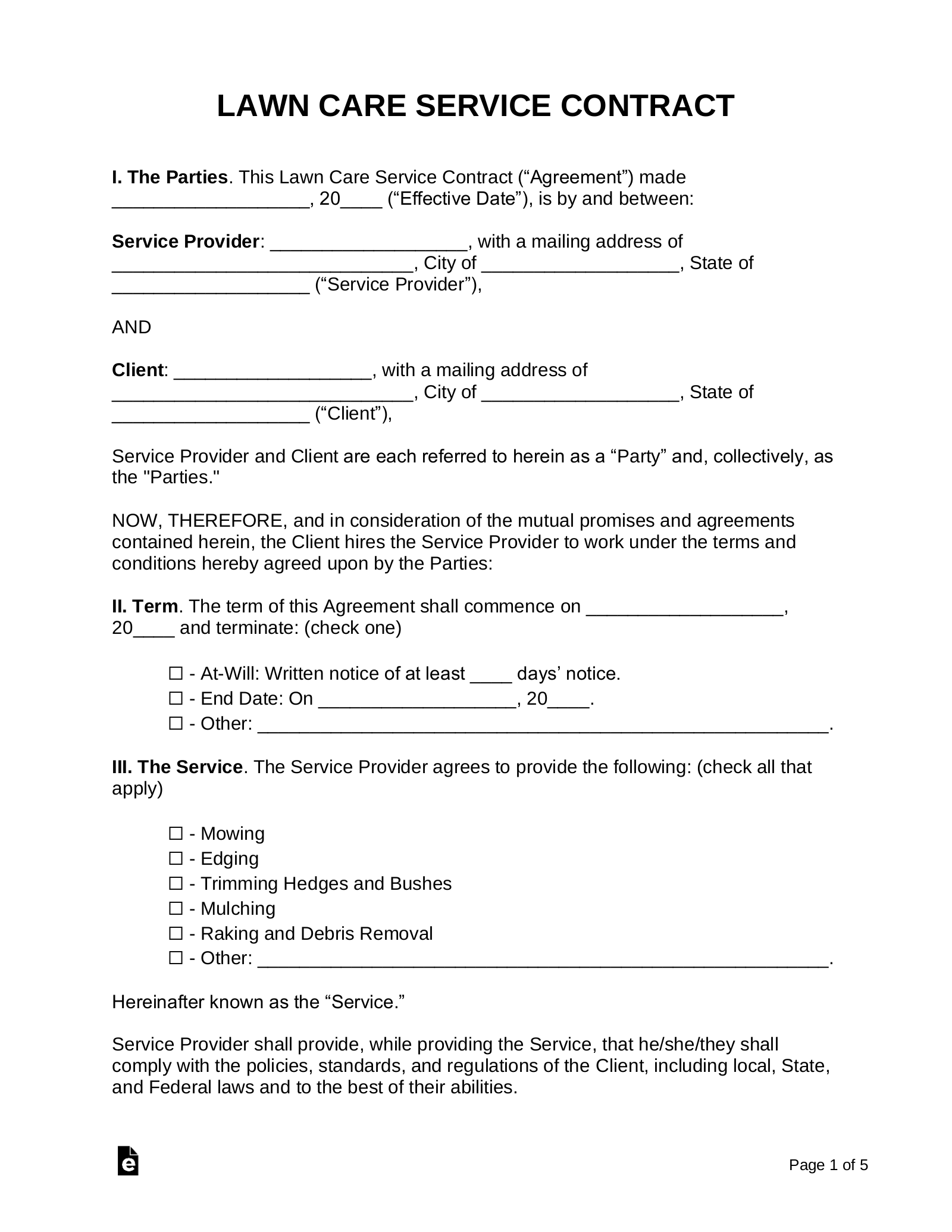
Image Source: eforms.com
Expanding Your Reach: Finding Landscaping Clients
Growing your lawn care business starts with consistently finding new opportunities. It’s not enough to have a great service; people need to know you exist. Think of it like planting seeds – the more you sow, the more you’ll harvest. We’ll explore various avenues to make sure your business is visible and appealing to potential clients.
Building a Professional Online Presence
In today’s world, your online presence is often the first impression you make. A well-maintained website and active social media profiles can attract many new customers.
Your Website: The Digital Storefront
Your website is your 24/7 salesperson. It needs to be professional, informative, and easy to navigate.
- Key Features of a Great Lawn Care Website:
- Clear Services Offered: List all your services with detailed descriptions. This includes mowing, trimming, fertilization, aeration, pest control, seasonal cleanups, and more.
- Service Area: Clearly define the geographical regions you serve. This helps potential clients quickly see if you’re a good fit.
- Gallery of Work: Showcase your best projects. Before-and-after photos are incredibly effective. Use high-quality images that highlight your attention to detail.
- Testimonials/Reviews: Social proof is powerful. Display positive feedback from satisfied customers.
- Contact Information: Make it easy for people to reach you. Include a phone number, email address, and a contact form.
- About Us Page: Share your story. Introduce your team and your company’s values. This builds trust.
- Request a Quote Form: A simple form that allows potential clients to easily ask for a price estimate.
Leveraging Social Media
Social media is a fantastic tool for marketing lawn care services and connecting with your community.
-
Platform Choices:
- Facebook: Great for local targeting, sharing updates, promotions, and customer photos. Create a business page.
- Instagram: Perfect for visually showcasing your work. Use high-quality photos and videos of your projects.
- Nextdoor: Connect directly with your local neighborhood. Many homeowners look for services here.
- Google My Business: Essential for local search results. Ensure your listing is complete and accurate, and encourage reviews.
-
Content Ideas:
- Seasonal lawn care tips.
- Before-and-after project highlights.
- Team spotlights.
- Special offers and discounts.
- Behind-the-scenes glimpses of your work.
Local Networking and Community Engagement
Being a part of your community is key to finding landscaping clients. Local connections often lead to reliable, repeat business.
Partnering with Local Businesses
Collaborating with complementary businesses can open doors to new customers.
- Potential Partners:
- Real Estate Agents: They often need properties to look their best for showings and sales. Offer a referral bonus.
- Property Managers: Manage multiple properties and constantly need reliable lawn care.
- Home Builders/Contractors: They might need landscaping services for new builds or renovations.
- Garden Centers/Nurseries: They interact with many homeowners interested in outdoor spaces.
Attending Local Events
Get your name out there by participating in community events.
-
Event Ideas:
- Home and Garden Shows.
- Farmers Markets.
- Community Fairs.
- Sponsor a local sports team.
Have business cards ready and be prepared to talk about your services. Offer a small discount for event attendees.
Direct Marketing Strategies
Don’t underestimate the power of traditional marketing methods. These can be very effective, especially in targeting specific neighborhoods.
Door-to-Door Marketing
This is a classic for a reason. Walking neighborhoods where you want to work allows you to see properties firsthand and speak directly to homeowners.
- Tips for Success:
- Professional Appearance: Wear a clean uniform with your company logo.
- Be Polite and Brief: Respect people’s time. Have a simple flyer or business card.
- Offer a Specific Deal: “We’re in your neighborhood this week offering 10% off your first mowing service.”
- Target the Right Neighborhoods: Look for areas with well-kept homes that might appreciate professional services.
Direct Mail Campaigns
Sending flyers or postcards to targeted zip codes can bring in new leads.
- What to Include:
- Your company name and logo.
- A list of your core services.
- A compelling offer or discount.
- Your website and phone number.
- A clear call to action (e.g., “Call today for a free quote!”).
Word-of-Mouth Referrals
Happy customers are your best advertising. Encourage them to spread the word.
- Referral Program Ideas:
- Offer a discount on their next service for each new customer they refer who signs up.
- Provide a small gift or bonus for successful referrals.
- Simply ask satisfied customers if they know anyone else who could use your services.
Landing Lawn Maintenance Agreements: Mastering the Sales Process
Securing groundskeeping jobs and turning potential leads into paying clients requires a solid sales strategy. It’s about more than just giving a price; it’s about building trust and demonstrating value.
Developing Effective Lawn Care Sales Strategies
Your approach to selling your services can make or break your contract acquisition.
Initial Contact and Lead Qualification
When someone calls or fills out your online form, how you handle that first interaction is critical.
- Prompt Responses: Aim to respond to all inquiries within 24 hours, ideally sooner.
- Ask the Right Questions: Gather necessary information to understand their needs.
- Property size and type (residential, commercial).
- Specific services required.
- Frequency of service.
- Any existing lawn issues (weeds, bare patches, pests).
- Their budget expectations (if appropriate).
The Site Visit and Proposal
For larger jobs or regular maintenance agreements, a site visit is often necessary. This is your chance to shine.
-
Preparation:
- Research: If possible, do a quick online search of the property or address beforehand.
- Arrive on Time: Punctuality shows professionalism.
- Professional Demeanor: Be friendly, approachable, and knowledgeable.
-
During the Visit:
- Listen Actively: Let the client explain their needs and concerns.
- Inspect Thoroughly: Walk the property with the client, pointing out specific areas and potential issues.
- Offer Solutions: Explain how your services can address their needs and improve their property.
- Take Notes and Photos: This is crucial for creating an accurate proposal.
-
Creating a Winning Proposal:
- Detailed Scope of Work: Clearly outline exactly what services you will provide, including frequency, specific tasks (e.g., mowing height, trimming around beds, blowing hard surfaces).
- Pricing: Present clear, itemized pricing. Offer options if possible (e.g., basic mowing vs. mowing with edging).
- Contract Terms: Specify payment terms, cancellation policies, and contract duration.
- Your Value Proposition: Briefly reiterate why you are the best choice (e.g., experienced team, quality equipment, commitment to customer satisfaction).
- Professional Presentation: Use branded letterhead or a digital template.
Commercial Lawn Care Bidding
Landing commercial contracts, like those for office buildings, HOAs, or retail spaces, often involves a more formal bidding process.
Navigating the Bidding Process
- Request for Proposal (RFP): Understand the requirements of the RFP document. Pay close attention to deadlines, submission formats, and evaluation criteria.
- Accurate Costing: This is paramount. Factor in labor, materials, equipment, fuel, insurance, and overhead. Don’t underbid yourself.
- Demonstrate Expertise: Highlight your company’s experience with similar commercial properties.
- Compliance: Ensure you meet all insurance, licensing, and bonding requirements specified in the bid.
- Follow-Up: After submitting a bid, a polite follow-up can sometimes make a difference.
Factors in Commercial Bidding: A Comparative View
| Factor | Residential Bidding | Commercial Bidding |
|---|---|---|
| Decision Maker | Homeowner | Property manager, committee, procurement department |
| Process | Often informal, relationship-driven | Formal RFP process, detailed proposals |
| Scope | Typically focused on aesthetics and basic care | Broader scope, including safety, appearance, and compliance |
| Pricing | Can be flexible, value-based | Cost-driven, competitive, detailed cost breakdown required |
| Contracts | Shorter-term, seasonal, or month-to-month | Longer-term, often annual or multi-year contracts |
| Documentation | Simple estimates, verbal agreements sometimes | Formal contracts, insurance certificates, W-9s |
Getting Residential Lawn Care Contracts
Securing residential lawn care contracts is about building trust and offering convenience.
Making the Offer Irresistible
- First-Time Customer Discounts: A common and effective tactic.
- Bundled Services: Offer packages like “Mow, Trim, and Edge” at a slightly discounted rate compared to individual services.
- Seasonal Packages: “Spring Cleanup and Fall Leaf Removal” deals.
- Loyalty Programs: Reward long-term customers.
Overcoming Objections
- “You’re too expensive.” Reiterate the value you provide, the quality of your equipment, your insurance, and your reliability. Compare your price to the time and effort they’d save.
- “I can do it myself.” Acknowledge their capability but highlight the benefits of professional service: consistency, proper techniques, and freeing up their leisure time.
- “I need to think about it.” Offer to leave a detailed proposal. Ask when would be a good time to follow up.
The Importance of Contracts and Agreements
Formalizing your services with contracts is crucial for both you and your clients.
-
Benefits for Your Business:
- Guaranteed Income: Predictable revenue stream.
- Reduced Disputes: Clear terms prevent misunderstandings.
- Professionalism: Signals a serious and reliable business.
- Protection: Outlines responsibilities and liabilities.
-
What to Include in a Lawn Care Contract:
- Parties Involved: Your business name and address, and the client’s name and address.
- Services Provided: Detailed description of all services to be performed.
- Schedule: Frequency and timing of services (e.g., weekly mowing, bi-weekly fertilization).
- Pricing: Total cost, payment schedule, and accepted payment methods.
- Contract Duration: Start and end dates.
- Cancellation Clause: Terms for ending the agreement early, with notice periods.
- Termination Clause: Conditions under which either party can terminate the contract.
- Insurance Information: Proof of your liability insurance.
- Governing Law: The state whose laws will apply.
- Signatures: Both parties must sign and date the agreement.
Marketing Lawn Care Services: Reaching More People
Effective marketing is how you get your name out there and attract the right customers. It’s about telling your story and showing people why you’re the best choice.
Creating a Marketing Plan
A plan helps you stay focused and measure your success.
Defining Your Target Audience
Who are you trying to reach?
- Residential: Homeowners in specific neighborhoods, busy families, elderly individuals.
- Commercial: Businesses, apartment complexes, homeowners associations (HOAs), government properties.
Setting Marketing Goals
What do you want to achieve?
- Increase leads by X% each month.
- Secure X new recurring clients per quarter.
- Expand into a new service area.
Choosing Your Marketing Channels
Where will you promote your services?
- Online: Website, social media, local directories, online ads.
- Offline: Flyers, door hangers, local sponsorships, networking events.
Strategies for Lawn Care Sales: Promoting Your Business
How do you turn your services into sales?
Content Marketing
Share valuable information that positions you as an expert.
- Blog Posts: “Top 5 Tips for a Greener Lawn This Spring,” “How to Deal with Common Lawn Pests.”
- Videos: Demonstrations of lawn care techniques, before-and-after transformations.
- Infographics: Visual guides to lawn care schedules or common lawn problems.
Local SEO (Search Engine Optimization)
Make sure people find you when they search online for lawn care in your area.
- Keyword Research: Use terms like “lawn mowing [your city],” “landscaping services [your town],” “lawn care company near me.”
- On-Page Optimization: Include your keywords naturally in your website content, meta descriptions, and headings.
- Off-Page Optimization: Build backlinks from local directories and reputable websites.
- Google My Business: Keep your profile updated and actively request reviews.
Paid Advertising
Consider paid ads to reach a wider audience quickly.
- Google Ads: Target users actively searching for lawn care services.
- Social Media Ads: Target specific demographics and locations on platforms like Facebook and Instagram.
Email Marketing
Build relationships with potential and existing clients through email.
- Newsletter: Share tips, special offers, and company news.
- Automated Emails: Send follow-ups after a quote is given or a service is completed.
Winning Lawn Care Bids: Securing Profitable Contracts
Winning bids, especially for larger or commercial projects, requires a strategic approach. It’s about presenting a compelling case that showcases your ability, reliability, and value.
Research and Preparation: The Foundation of Winning
Before you even think about writing a bid, thorough preparation is key.
Comprehending the Client’s Needs
- Deep Dive into the RFP/Scope: Read every detail of the request. What are their stated goals? What are the unspoken needs?
- Site Assessment: Visit the property. Take detailed notes and photos. Assess current conditions, identify potential challenges (e.g., drainage issues, difficult terrain, existing pest problems).
- Know the Competition: If possible, research who else might be bidding. What are their strengths and weaknesses?
Cost Estimation Accuracy
This is where many businesses falter. Underbidding can lead to losses, while overbidding can cost you the contract.
-
Itemized Breakdown:
- Labor: Estimate hours for each task, factoring in different skill levels and potential overtime.
- Materials: Fertilizer, seed, mulch, pesticides, herbicides, plant material.
- Equipment: Fuel, maintenance, depreciation, potential rentals.
- Overhead: Insurance, vehicle costs, administrative expenses, marketing.
- Profit Margin: This is essential for business sustainability.
-
Contingency Planning: Always include a buffer for unforeseen issues or price increases.
Crafting a Compelling Proposal
Your proposal is your chance to convince the client that you are the best choice.
Key Components of a Winning Proposal
- Executive Summary: A brief overview of your proposal, highlighting key benefits and your understanding of the client’s needs.
- Company Qualifications:
- Experience: Showcase your track record, especially with similar projects.
- Team Expertise: Detail the skills and certifications of your staff.
- References: Provide contact information for satisfied clients.
- Proposed Solution/Scope of Work: Clearly detail what you will do, how you will do it, and the desired outcome. Use clear, concise language.
- Pricing Structure: Present your costs in a transparent and easy-to-understand manner. Break down costs where appropriate.
- Timeline/Schedule: Outline the projected start and completion dates, and the schedule for ongoing maintenance.
- Terms and Conditions: Clearly state payment terms, contract duration, insurance coverage, and any other important clauses.
- Visual Aids: Include photos from your portfolio, site maps, or even conceptual designs if applicable.
Differentiation: What Sets You Apart?
- Unique Selling Proposition (USP): What makes your business special? Is it your eco-friendly practices, advanced technology, exceptional customer service, or specialized expertise?
- Problem-Solving Approach: Demonstrate how you will address the client’s specific challenges.
- Commitment to Quality: Show your dedication to delivering outstanding results.
The Art of Presentation and Delivery
How you present your bid matters.
Professionalism and Clarity
- Proofread Meticulously: Errors in grammar or spelling can undermine your credibility.
- Visually Appealing: Use a clean, branded template. Ensure readability.
- Concise Language: Avoid jargon and overly technical terms unless necessary for the audience.
Timeliness and Follow-Up
- Meet Deadlines: Submit your bid on or before the stated deadline.
- Polite Follow-Up: If appropriate, a brief, professional follow-up can show your continued interest.
Growing Your Lawn Care Business: Long-Term Strategies
Securing contracts is just the beginning. Sustainable growth requires ongoing effort.
Building Strong Client Relationships
- Consistent Quality: Always deliver on your promises.
- Excellent Communication: Keep clients informed about schedules, any issues, or changes.
- Go the Extra Mile: Small gestures can make a big difference.
Upselling and Cross-selling
- Offer Additional Services: Once you have a maintenance contract, offer seasonal cleanups, aeration, pest control, or landscaping enhancements.
- Seasonal Promotions: Remind clients of services they might need at different times of the year.
Continuous Improvement
- Invest in Training: Keep your team updated on the latest techniques and best practices.
- Upgrade Equipment: Modern, efficient equipment can improve quality and productivity.
- Seek Feedback: Actively ask clients for feedback and use it to improve your services.
Frequently Asked Questions (FAQ)
Q1: How do I get my first lawn care contract?
To get your first contract, focus on your local network. Inform friends, family, and neighbors about your services. Offer an introductory discount to attract your initial clients. Ensure your basic equipment is reliable, and you have a simple way to present your services (even just a business card).
Q2: What is the best way to market lawn care services for free?
The best free marketing methods include leveraging your Google My Business profile, engaging on local social media groups and platforms like Nextdoor, encouraging word-of-mouth referrals from satisfied customers, and networking within your community by attending local events.
Q3: How much should I charge for lawn mowing?
Pricing varies greatly by location, lawn size, complexity, and the services included (e.g., edging, trimming). Generally, it’s best to charge per job after assessing the property. Research local competitor pricing and ensure your rate covers your costs, labor, and a profit margin. A good starting point for a standard residential lawn might be $40-$75, but this is highly variable.
Q4: How can I make my lawn care business stand out from competitors?
Stand out by offering exceptional customer service, specializing in a niche (like organic lawn care or landscape design), using high-quality equipment, having a professional online presence, and consistently delivering reliable, high-quality work. Building strong relationships and demonstrating a commitment to client satisfaction are key.
Q5: When is the best time to start looking for lawn care contracts?
The best time to start actively seeking contracts is typically in late winter or early spring, just before the main growing season begins. This allows you to secure clients for the entire season. However, continuous marketing and prospecting are crucial for year-round growth.