
Yes, you can get rid of mold in your yard naturally and permanently by addressing the underlying causes and employing consistent, eco-friendly practices. Mold thrives in damp, shaded areas with poor air circulation. Therefore, the key to permanent removal is to create an environment that is less hospitable to fungal growth. This involves a combination of physical removal, improving soil and air flow, and choosing plants that are more resistant to disease. This guide will walk you through identifying yard mold, understanding its causes, and implementing natural solutions for lasting yard mold removal.
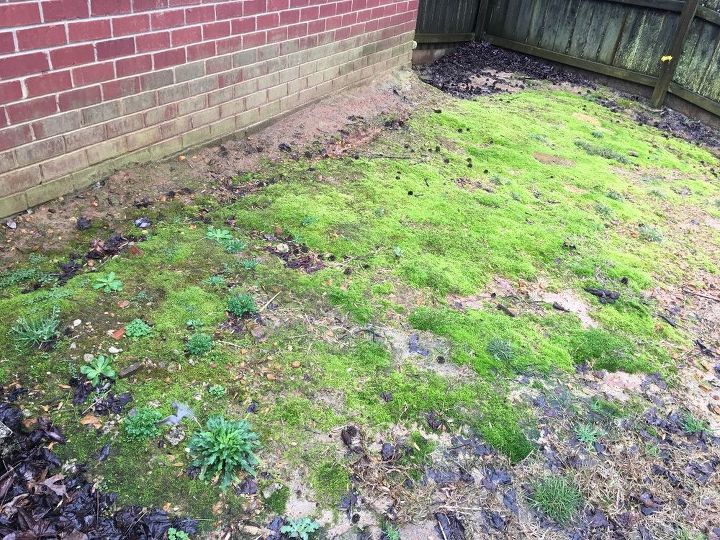
Image Source: cdn-fastly.hometalk.com
Deciphering Yard Mold: What You’re Seeing
Before you can tackle mold, you need to know what it looks like and where it typically appears. Yard mold isn’t a single entity; it’s a general term for various fungi that can affect your lawn, garden beds, trees, and even outdoor structures.
Common Types of Yard Mold
- Black Mold in Grass: Often appears as dark spots or patches on your lawn. This can be caused by various fungal pathogens, including some that thrive in wet conditions.
- White Mold on Plants: This is typically powdery mildew, which looks like a fine white powder dusting the leaves and stems of your plants. It’s very common and can weaken plants.
- Slime Molds: These are fascinating, often brightly colored (yellow, orange, or gray) blobs that appear on decaying organic matter like mulch, fallen leaves, or even on the soil surface after rain. While alarming, they are generally harmless to healthy plants and feed on bacteria and decaying material. They usually disappear on their own as conditions dry out.
- Fungal Rings (Fairy Rings): These are circles of darker or lighter green grass, sometimes with mushrooms popping up within them. They are caused by fungi that decompose organic matter in the soil.
Identifying Yard Mold: A Closer Look
When you spot something unusual in your yard, ask yourself these questions:
- What color is it? Black, white, gray, yellow, orange?
- What is its texture? Powdery, fuzzy, slimy, sticky, or crusty?
- Where is it growing? On grass blades, plant leaves, stems, mulch, soil, or wood?
- What are the surrounding conditions? Is the area consistently wet, shaded, or is there poor air circulation?
Answering these questions will help you determine the best approach for lawn fungus treatment.
Fathoming the Causes of Yard Mold
Mold requires specific conditions to flourish. Identifying these triggers is crucial for effective and permanent mold remediation outdoors.
Moisture, Moisture Everywhere
The primary culprit behind most yard mold is excess moisture. This can stem from:
- Overwatering: Watering your lawn or garden too frequently or for too long.
- Poor Drainage: Soil that doesn’t drain well can become waterlogged, creating ideal conditions for mold. This is common in clay soils or compacted areas.
- Excessive Rainfall: Unusually wet seasons can overwhelm your yard’s natural drainage.
- Dew and Fog: Prolonged periods of dampness from morning dew or fog can also encourage fungal growth, especially in areas with limited air movement.
Shady Spots and Poor Airflow
Mold loves dark, damp, and still environments.
- Shade: Areas that receive little sunlight tend to stay moist longer. Dense tree canopies or buildings casting long shadows can contribute to this.
- Lack of Air Circulation: When air can’t move freely, moisture lingers on plant surfaces and in the soil. This is often seen in densely planted gardens or areas surrounded by structures or thick shrubbery.
Organic Matter Buildup
Mold feeds on decaying organic material.
- Thatch: A thick layer of dead grass, roots, and debris on your lawn can trap moisture and provide a food source for mold.
- Decomposing Leaves and Mulch: While beneficial in moderation, excessive amounts of un-decomposed organic matter can harbor mold, especially if they stay wet.
- Dead Plants: Diseased or dead plant material can host fungal spores that spread to healthy plants.
Other Contributing Factors
- Compacted Soil: Compacted soil reduces water infiltration and air penetration, leading to waterlogging and favoring mold growth.
- Fertilizer Imbalance: While not a direct cause, over-fertilizing, especially with nitrogen, can sometimes lead to lush, dense growth that is more susceptible to fungal diseases.
- Weakened Plants: Plants stressed by drought, extreme temperatures, or other issues are more vulnerable to fungal infections.
Strategies for Natural Yard Mold Removal
Now that you know what you’re looking for and why it’s there, let’s explore natural ways to get rid of it. The goal is not just to kill existing mold but to prevent its return.
Step 1: Assess and Identify
The first step in any outdoor mold cleanup is to correctly identify the problem. As discussed, is it black mold in grass, white mold on plants, or something else? This helps tailor your treatment.
Step 2: Physical Removal and Cleanup
- Rake and Remove Debris: Regularly rake your lawn to remove fallen leaves, dead grass clippings, and other organic debris. This reduces the food source for mold and improves air circulation.
- Prune Overgrown Plants: Trim back overgrown shrubs, bushes, and tree branches that are shading your lawn or garden beds or restricting airflow. This is a crucial step for garden mold prevention.
- Remove Heavily Infested Material: If you have heavily mold-infested leaves or plant material, bag them up and dispose of them properly. Do not compost heavily diseased material, as it can spread spores.
- De-thatch Your Lawn: If thatch buildup is a problem, use a de-thatching rake or a machine to remove the excess layer. This improves air and water penetration to the soil.
Step 3: Natural Treatment Options
Once you’ve removed the immediate problem, it’s time to treat affected areas.
Vinegar Solution
White vinegar is acidic and can kill many types of mold.
- How to Use: Mix equal parts white vinegar and water in a spray bottle. Spray directly onto affected areas. For tougher spots, you can use undiluted vinegar, but test it on a small area first to ensure it doesn’t harm your plants.
- Application: Apply in the early morning or late evening when the sun is not intense to prevent leaf scorch. Repeat as needed.
Baking Soda
Baking soda is a natural fungicide and can also help dry out damp areas.
- How to Use: Mix one tablespoon of baking soda with one gallon of water. Spray this solution onto affected plants and lawn areas.
- Application: Apply every few days. You can also sprinkle dry baking soda directly onto damp surfaces where mold is present.
Hydrogen Peroxide
A 3% hydrogen peroxide solution is a safe and effective mold killer.
- How to Use: Use a 3% hydrogen peroxide solution directly from the bottle. Spray it onto the moldy areas.
- Application: Let it sit for about 10-15 minutes, then rinse the area with water. Be cautious, as prolonged contact can damage some plants.
Neem Oil
Neem oil is a natural pesticide and fungicide derived from the neem tree.
- How to Use: Mix 1-2 tablespoons of neem oil with a gallon of water and a few drops of mild liquid soap (as an emulsifier).
- Application: Spray thoroughly on affected plants, covering both the tops and undersides of leaves. Apply in the early morning or late evening.
Garlic Spray
Garlic has natural antifungal properties.
- How to Use: Blend a few cloves of garlic with water, strain the mixture, and spray it onto the affected areas.
- Application: This is a gentle treatment that can be applied regularly.
Milk Spray
Surprisingly, milk can be an effective treatment for powdery mildew.
- How to Use: Mix one part milk with two parts water.
- Application: Spray onto affected plants. The proteins in milk, when exposed to sunlight, are believed to create an antifungal effect. Apply every few days.
Step 4: Improving Soil Health and Drainage
Addressing the soil is key to permanent mold removal.
- Aeration: Aerate your lawn to reduce soil compaction. This allows for better air and water penetration, discouraging mold. You can rent an aerator or use spiked shoes.
- Amend Soil: If you have heavy clay soil, incorporate organic matter like compost. This improves drainage and soil structure.
- Improve Drainage: For persistently waterlogged areas, consider installing French drains or creating gentle slopes to direct water away from your yard.
Step 5: Enhancing Air Circulation
- Strategic Pruning: As mentioned, prune plants to allow for better airflow.
- Proper Spacing: When planting, ensure adequate space between plants to prevent overcrowding and promote air circulation.
- Avoid Over-Mulching: Apply mulch about 2-3 inches deep, keeping it away from the base of plants and tree trunks. This prevents moisture from being trapped.
Preventing Future Yard Mold: Long-Term Solutions
Permanent yard mold removal is achieved through consistent prevention strategies.
Smart Watering Practices
- Water Early in the Morning: This allows plants and soil surfaces to dry out before nightfall.
- Water Deeply, Less Often: Encourage deeper root growth by watering less frequently but more thoroughly.
- Avoid Overhead Watering: If possible, use drip irrigation or soaker hoses to deliver water directly to the soil, minimizing leaf wetness.
- Check Soil Moisture: Don’t water just because it’s a schedule. Stick your finger into the soil a few inches deep to see if it’s actually dry.
Sunlight and Airflow Management
- Tree and Shrub Pruning: Keep trees and shrubs trimmed to allow more sunlight and air to reach the ground.
- Choose Shade-Tolerant Plants: In heavily shaded areas, select plants that naturally thrive in low-light conditions.
- Clear Obstructions: Ensure pathways and garden beds are not blocked by structures or dense foliage that impede airflow.
Maintaining a Healthy Lawn
- Regular Mowing: Mow your lawn at the recommended height for your grass type. Taller grass can shade the soil and keep it moist.
- Fertilize Appropriately: Follow a fertilization schedule that suits your grass type, avoiding over-fertilization.
- Overseed Bare Spots: Fill in bare patches of lawn to prevent weeds and keep the turf dense and healthy, which is more resistant to disease.
Mulch Wisely
- Use Breathable Mulch: Organic mulches like wood chips or shredded bark are generally good, but ensure they are not applied too thickly.
- Keep Mulch Away from Stems: Create a small gap around the base of trees and plants to allow air to circulate and prevent moisture from building up.
Choosing Resistant Varieties
When planting new trees, shrubs, or flowers, research varieties known for their resistance to common fungal diseases. This is a proactive approach to garden mold prevention.
Table: Natural Mold Treatments at a Glance
| Treatment Option | How to Use | Application Frequency | Notes |
|---|---|---|---|
| Vinegar Solution | 1 part white vinegar : 1 part water spray | Every few days, as needed | Test on a small area first; can be used undiluted on hard surfaces. |
| Baking Soda | 1 tbsp baking soda per gallon of water spray; or sprinkle dry | Every few days; or as needed for dry spots | Gentle on most plants. |
| Hydrogen Peroxide | 3% solution spray | Once, then rinse; repeat cautiously if needed | Can damage some plants with prolonged contact; rinse thoroughly. |
| Neem Oil | 1-2 tbsp neem oil + mild soap per gallon water | Every 7-14 days, as needed | Apply in early morning/late evening to avoid leaf scorch; safe for beneficial insects in moderation. |
| Garlic Spray | Blended garlic strained into water spray | Regularly, as needed | Natural deterrent with antifungal properties. |
| Milk Spray | 1 part milk : 2 parts water spray | Every few days, especially for powdery mildew | Sunlight activates its antifungal properties. |
Troubleshooting Persistent Yard Mold
Sometimes, despite your best efforts, mold can be persistent. Here are some advanced considerations for tackling tricky lawn fungus treatment.
Dealing with Black Mold in Grass
If you consistently see black mold in grass, it might be a specific disease like Ascochyta leaf blight or Black layer.
- Aeration and Dethatching: These are especially important for thatch-heavy lawns prone to black layer.
- Proper Mowing Height: Ensure you’re not cutting the grass too short.
- Watering Schedule: Overwatering is often the culprit. Adjust your watering to be less frequent and deeper.
- Consider Grass Type: Some grass types are more susceptible to certain diseases.
Managing White Mold on Plants (Powdery Mildew)
White mold on plants is common, especially in humid, still conditions.
- Improve Air Circulation: Pruning and proper spacing are vital.
- Sunlight: Ensure plants are not in perpetual shade.
- Resistant Varieties: Opt for plants labeled as resistant to powdery mildew.
- Natural Sprays: Milk, baking soda, and neem oil are effective treatments.
Mold on Mulch and Soil Surfaces
Slime molds or other fuzzy molds on mulch are usually harmless.
- Wait it Out: Often, they will disappear as the weather dries.
- Aerate or Turn Mulch: Gently turn or disturb the mulch layer to expose it to air and sun.
- Remove Excessive Mulch: If mulch is too thick or becoming waterlogged, remove some of it.
When to Consider Professional Help
While natural methods are effective, there are times when professional intervention might be necessary for comprehensive mold remediation outdoors:
- Extensive Infestation: If mold covers a significant portion of your yard and treatments aren’t working.
- Underlying Drainage Issues: If you suspect major drainage problems that require expert installation of drainage systems.
- Unidentified Diseases: If you are unable to identify the mold or disease and it’s causing severe damage to your plants.
- Health Concerns: If you suspect toxic mold (though this is rarer in outdoor yard settings) and are concerned about health impacts.
Frequently Asked Questions (FAQ)
Q1: Can I use bleach to kill mold in my yard?
A1: While bleach can kill mold, it is not recommended for use in your yard. Bleach is a harsh chemical that can kill beneficial soil microbes, damage plant roots, and harm pets or children. It is also not environmentally friendly. Natural alternatives are much safer and more effective for long-term yard health.
Q2: How do I know if it’s mold or just dew on my grass?
A2: Dew typically evaporates as the sun warms the area. Mold, especially powdery mildew, will have a more powdery or fuzzy appearance and will persist even after the dew has dried. If you see patches of discoloration or fuzzy growth that doesn’t disappear with sunlight, it’s likely mold.
Q3: Is it safe to compost yard waste that had mold on it?
A3: It is generally not recommended to compost yard waste that has been heavily affected by aggressive fungal diseases like black spot or powdery mildew. While a hot compost pile can kill some pathogens, others can survive and spread when the compost is used in your garden. For minor mold issues on leaves, proper composting is usually fine.
Q4: Will rain wash away yard mold?
A4: Rain can temporarily wash away some surface mold spores, but it can also exacerbate the problem by creating more damp conditions. If the underlying causes (poor drainage, lack of airflow) are not addressed, the mold will likely return after the rain.
Q5: How quickly do natural mold treatments work?
A5: Natural treatments often work gradually and require consistent application. You might see a reduction in mold within a few days to a week, but complete eradication and prevention depend on ongoing care and addressing the root causes.
By following these steps and consistently applying preventative measures, you can effectively get rid of mold in your yard naturally and create a healthier, more resilient outdoor space. Remember that patience and persistence are key to achieving permanent results.