
So, how often should you change your lawn mower blade? You should aim to sharpen your lawn mower blade every 25 hours of use or at least once a year. This ensures your mower cuts grass cleanly, promoting a healthier lawn and a better-looking finish. A sharp blade is crucial for effective lawn mower maintenance.
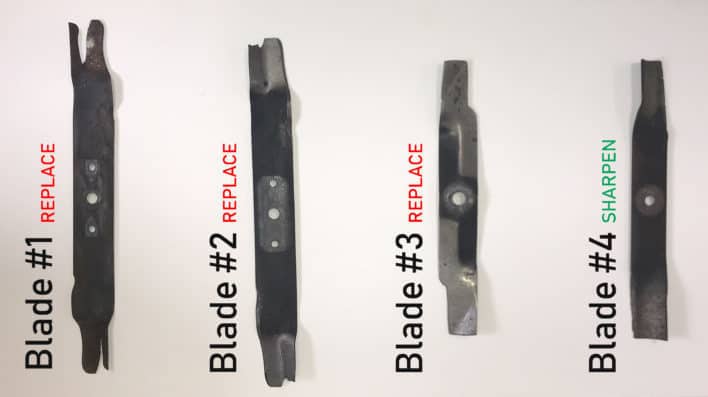
Image Source: minnesotaequipment.com
The Lifespan of Your Lawn Mower Blade: More Than Just Metal
Your lawn mower blade is the workhorse of your yard care. It’s responsible for slicing through grass, leaving a clean cut that promotes healthy growth. But like any tool, it has a lifespan. Knowing when to replace mower blade and how to maintain it can save you time, effort, and even money in the long run. This guide will delve into everything you need to know about lawn mower blade lifespan and proper care.
Factors Influencing Lawn Mower Blade Lifespan
Several factors can impact how long your lawn mower blade lasts. These include:
- Type of Grass: Different grass types have varying blade strengths. Tougher grasses can wear down a blade faster.
- Mowing Conditions: Mowing through sandy soil, over small rocks, or debris can quickly dull or damage your blade.
- Frequency of Use: The more you mow, the faster your blade will wear out. Mowing large areas frequently will require more attention.
- Blade Quality and Material: Higher quality steel blades generally last longer and can be sharpened more times.
- Sharpening and Maintenance Schedule: Regular sharpening and proper lawn mower care tips contribute to a longer blade lifespan.
Deciphering Dull Mower Blade Symptoms
Spotting the signs of a dull mower blade is key to preventing lawn damage and ensuring efficient mowing. Keep an eye out for these common dull mower blade symptoms:
- Ragged or Torn Grass Blades: Instead of a clean cut, a dull blade will rip and tear the grass. This leaves the tips of your grass looking brown and frayed, giving your lawn an unhealthy appearance.
- Yellowing or Browning Tips: The torn grass blades are more susceptible to disease and moisture loss, leading to yellow or brown tips across your lawn.
- Increased Lawn Fraying: You might notice more grass clippings that look like shredded paper rather than fine pieces.
- Uneven Mowing: If your mower is leaving streaks or missed spots, it could be a sign of a dull blade not cutting uniformly.
- More Effort Required to Mow: A dull blade requires more force to cut the grass. You might notice your mower struggling, or you might have to push harder than usual.
- Excessive Vibration: A balanced, sharp blade cuts smoothly. A dull or unbalanced blade can cause the mower to vibrate more than usual, which can also be harmful to the mower itself.
When to Replace Mower Blade: A Practical Approach
While sharpening is a great way to extend the life of your blade, there comes a point when replacement is necessary. Knowing when to replace mower blade is as important as knowing when to sharpen it.
How to Tell If Mower Blade is Dull
Visual inspection is your first line of defense.
- Examine the Cutting Edge: Look closely at the sharpened edge of the blade. If it appears rounded or nicked, it’s likely dull. A sharp blade will have a thin, defined edge.
- Feel the Edge (Carefully!): With gloves on, carefully run your finger across the edge (never along it). A sharp edge will feel keen. A dull edge will feel smooth or rounded.
- Check for Chips and Bends: Small nicks are usually fixable with sharpening. However, significant chips, bends, or cracks in the blade mean it’s time for a replacement. These issues can cause imbalance and damage your mower.
Frequency of Mower Blade Sharpening
The ideal frequency of mower blade sharpening depends on how often you use your mower and the conditions you mow in.
- General Guideline: For typical residential use, sharpening your blade every 25 hours of operation is a good rule of thumb.
- For Heavy Use: If you have a large property, mow frequently, or mow tough grass, you might need to sharpen your blade more often, perhaps every 15-20 hours.
- Seasonal Check: Even if you don’t mow for 25 hours in a season, it’s highly recommended to sharpen your blade at least once a year. The best time to change mower blade, or at least have it checked and sharpened, is typically at the beginning or end of the mowing season.
Longevity: The Lawn Mower Blade Lifespan
A properly maintained lawn mower blade can be sharpened several times before it needs replacement. Generally, a good quality blade can last anywhere from 3 to 5 years, depending on the factors mentioned earlier. However, if you notice significant damage like bends or cracks, replacement is immediate, regardless of its age.
The Art of Lawn Mower Blade Maintenance: Sharpening and More
Effective lawn mower care tips extend beyond just mowing. Proper lawn mower blade maintenance is critical for a healthy lawn and a long-lasting mower.
The Process of Sharpening Lawn Mower Blade
Sharpening a lawn mower blade is a manageable DIY task.
Tools You’ll Need:
- Gloves: For safety.
- Wrench: To remove the blade.
- Vise: To hold the blade securely.
- Metal File or Grinding Wheel: For sharpening.
- Wire Brush: To clean the blade.
- Balancing Tool: To ensure the blade is balanced.
Steps for Sharpening:
- Safety First: Disconnect the spark plug to prevent accidental starting.
- Remove the Blade: Use a wrench to loosen the bolt holding the blade in place. Remember the direction the blade was facing.
- Clean the Blade: Use a wire brush to remove dirt, grass, and rust.
- Secure the Blade: Clamp the blade firmly in a vise.
- Sharpen the Edge:
- Using a File: Hold the file at the original angle of the cutting edge (usually about 30-45 degrees). File in one direction, moving away from the blade’s edge. Make several passes, trying to maintain a consistent angle.
- Using a Grinding Wheel: Be very careful not to overheat the blade, as this can ruin its temper. Use light pressure and short bursts.
- Check the Angle: Ensure you’re maintaining the original angle of the bevel.
- Balance the Blade: This is a crucial step. Place the blade on a blade balancer. If one side dips, file a small amount of metal from that side until it balances. An unbalanced blade can cause excessive vibration and damage your mower.
- Reinstall the Blade: Attach the sharpened and balanced blade securely, ensuring it’s facing the correct way. Tighten the bolt firmly.
When is it Time for Changing Lawn Mower Blades?
Even with regular sharpening, blades will eventually wear down. Consider changing your mower blade if:
- It’s Heavily Nicked or Bent: If the blade has significant damage that cannot be fixed by filing.
- It’s Been Sharpened Too Many Times: If you notice the blade is becoming noticeably thinner or the bolt hole is becoming enlarged from repeated sharpening, it’s time for a new one.
- You Can’t Achieve a Clean Cut: Despite your best efforts to sharpen, if you still see ragged grass edges, the blade may be beyond its useful life.
The Best Time to Change Mower Blade
The best time to change mower blade is proactively.
- Start of the Season: Replacing or sharpening your blade before the first mow of spring ensures you start with optimal cutting performance.
- End of the Season: Cleaning and replacing your blade at the end of the mowing season prepares your mower for storage and prevents rust and damage over the winter.
- When Symptoms Appear: Don’t wait until your lawn looks terrible. If you notice the signs of a dull blade, address it promptly.
Beyond the Blade: Comprehensive Lawn Mower Care Tips
A sharp blade is just one piece of the puzzle for a well-maintained mower and a beautiful lawn. Here are some additional lawn mower care tips:
Regular Cleaning
After each use, clean grass clippings from the top of the deck, the blade, and the engine. This prevents rust and buildup that can affect performance.
Oil Changes
Check your mower’s oil level regularly and change the oil according to the manufacturer’s recommendations. Clean oil ensures the engine runs smoothly.
Air Filter Maintenance
A clean air filter is vital for efficient engine operation. Check and clean or replace it as needed.
Spark Plug Checks
Ensure the spark plug is clean and properly gapped. A fouled spark plug can cause starting problems and poor performance.
Tire Pressure
Properly inflated tires ensure your mower moves evenly across the lawn, leading to a more consistent cut.
Fuel Storage
Use fresh fuel and consider using a fuel stabilizer if your mower will be stored for extended periods.
Deck Leveling
Ensure your mower deck is level. An unlevel deck can result in an uneven cut, even with a sharp blade.
Lawn Mower Blade Types and Their Longevity
Different mower blades are designed for specific tasks and have varying lifespans.
Standard Blades
These are the most common blades and offer a good balance of cutting and mulching. Their lifespan is typical, as described above, with multiple sharpenings possible.
Mulching Blades
Mulching blades have a more aggressive curve and often feature additional cutting edges or “teeth” to chop grass clippings into finer pieces. They can be sharpened but may require more attention to maintain their specific cutting profile.
High-Lift Blades
Designed to create a strong vacuum, high-lift blades are great for bagging clippings or for cutting tall grass. They can wear faster due to the increased airflow and work they do.
Swing-Back Blades
These blades are designed to swing back upon impact with hard objects, reducing the risk of damage to the blade and mower. While they offer protection, the frequent flexing can potentially shorten their overall lifespan compared to fixed blades, though they are often made of robust materials.
Blade Material
- High-Carbon Steel: The most common material, offering good durability and sharpenability.
- Hardened Steel: More durable and resistant to wear, allowing for more sharpenings.
- Specialty Alloys: Some high-end blades use advanced alloys for superior strength and edge retention.
FAQs About Lawn Mower Blades
Here are some frequently asked questions about lawn mower blades.
Q1: How do I know if my lawn mower blade is balanced after sharpening?
A1: You can use a blade balancer, a small cone-shaped tool that fits over the center hole of the blade. If one side of the blade is heavier, it will dip. You then file a small amount of metal from the heavier side until the blade remains level.
Q2: Can I sharpen my lawn mower blade with a bench grinder?
A2: Yes, you can, but it requires great care. You must keep the blade cool by dipping it in water frequently to avoid overheating the metal, which can ruin its temper and make it less effective. Using a file or a dedicated blade sharpener is often safer for DIYers.
Q3: My lawn mower blade is bent, can I straighten it?
A3: While you might be able to straighten a slightly bent blade, it’s generally not recommended. A bent blade is unbalanced, and straightening it may not fully restore its integrity, potentially leading to vibration and further damage. It’s best to replace a bent blade.
Q4: How often should I replace my lawn mower blade if I only mow once a month?
A4: Even with infrequent mowing, the blade can still dull from hitting small debris. It’s still a good idea to inspect and sharpen your blade at least once a year, perhaps at the start of the mowing season, or if you notice any signs of dullness.
Q5: Is it better to sharpen or replace my lawn mower blade?
A5: It’s a matter of condition. If the blade is relatively intact with minor dullness, sharpening is the economical and effective choice. If the blade is significantly nicked, bent, cracked, or worn thin from too many sharpenings, replacement is the safer and better option for your lawn and mower.
Q6: What is the best time to change mower blade for optimal lawn health?
A6: The best time to change mower blade for optimal lawn health is whenever you notice signs of dullness or damage. Proactively changing or sharpening it at the beginning of the mowing season also ensures you start with the best possible cutting performance, leading to a healthier, more attractive lawn.
By paying attention to your lawn mower blade’s condition and following these lawn mower care tips, you’ll ensure a cleaner cut, a healthier lawn, and a more efficient and enjoyable mowing experience. Remember, a sharp blade is a happy blade, and a happy blade means a happy lawn.