
Can you add too much lime to your lawn? Yes, you can add too much lime to your lawn, which can cause harm. However, with careful application and adherence to recommendations, liming can significantly improve your lawn’s health.
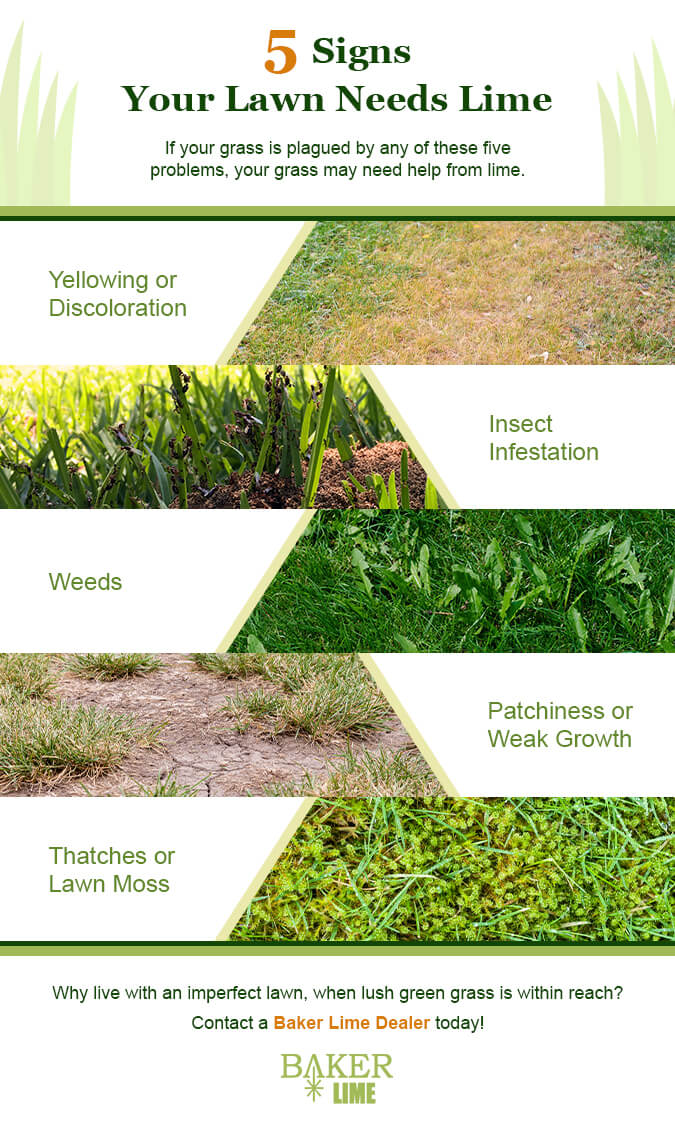
Image Source: www.bakerlime.com
What is Lawn Liming?
Lawn liming is the process of applying ground limestone to your soil. It’s a fundamental practice in lawn care with lime for homeowners aiming for a lush, green, and healthy turf. The primary goal of liming is to raise the soil’s pH level. Many common lawn grasses thrive in slightly acidic to neutral soil conditions, typically with a pH between 6.0 and 7.0. When soil becomes too acidic (a low pH), it can hinder nutrient availability for grass roots, leading to poor growth, thinning, and increased susceptibility to diseases and pests.
Why Lime Your Lawn? The Benefits of Liming Lawn
Adding lime to your lawn isn’t just about changing a number; it’s about creating a healthier environment for your grass to flourish. The benefits of liming lawn are numerous and contribute directly to a more vibrant and resilient turf.
Improving Soil pH
The most significant benefit of liming is soil pH adjustment. As soil becomes more acidic over time due to factors like rainfall, fertilizer use (especially ammonium-based fertilizers), and organic matter decomposition, essential nutrients become locked up and unavailable to grass roots. Lime acts as a buffer, neutralizing excess acidity and bringing the soil pH closer to the optimal range.
Enhancing Nutrient Availability
When the soil pH is corrected, nutrients like nitrogen, phosphorus, and potassium become more accessible to your grass. This improved nutrient uptake leads to stronger root development, better shoot growth, and a deeper green color. Even if you’re fertilizing regularly, your lawn might not be able to absorb those nutrients effectively if the pH is too low.
Boosting Soil Microbial Activity
Healthy soil is alive with beneficial microorganisms. These microbes play a crucial role in breaking down organic matter and making nutrients available to plants. Acidic soil can inhibit the activity of these beneficial microbes. By raising the pH, liming creates a more favorable environment for these microorganisms, further enhancing soil health and nutrient cycling.
Promoting Better Root Growth
Acidic soil conditions can stunt root growth. Grass with shallow, weak root systems is more prone to drought stress, disease, and uprooting by pests. Liming encourages deeper and more robust root development, making your lawn more resilient and better able to access water and nutrients.
Reducing Aluminum and Manganese Toxicity
In highly acidic soils, aluminum and manganese can become soluble and toxic to plants, interfering with nutrient uptake and causing root damage. Liming reduces the availability of these toxic elements, creating a safer environment for your grass.
Fathoming Your Soil’s pH: How to Test Soil pH
Before you start thinking about how much lime to add to lawn, the absolute first step is to test your soil’s pH. Guessing can lead to over- or under-application, both of which are detrimental. Knowing your current pH is the cornerstone of any successful lawn liming guide.
There are a few ways to determine your soil’s pH:
DIY Soil Test Kits
These are readily available at garden centers and hardware stores. They typically involve mixing a soil sample with a test solution or using a pH meter probe.
- Pros: Inexpensive, quick results, easily accessible.
- Cons: Can be less accurate than professional testing, results might be subjective with color charts.
Professional Soil Testing Services
Your local county extension office or a private soil testing lab can provide more accurate and detailed analysis. You’ll typically send in a soil sample, and they’ll send back a report detailing your soil’s pH, nutrient levels, and often, specific recommendations for amendments, including lime.
- Pros: Highly accurate, provides comprehensive data, professional recommendations tailored to your soil.
- Cons: Takes longer to get results, may have a cost associated with it.
Steps for Collecting a Soil Sample:
- Gather Tools: You’ll need a clean trowel, a bucket, and clean plastic bags or containers for collecting samples.
- Sample Multiple Areas: Don’t just take one sample from your entire lawn. Collect samples from at least 5-10 different spots across your yard, representing different areas (sunny spots, shady spots, high-traffic areas).
- Avoid Contamination: Ensure your tools are clean. Do not sample from areas recently treated with fertilizers or lime. Avoid sampling right after heavy rain.
- Depth Matters: For lawns, collect soil from the top 4-6 inches, as this is where grass roots primarily grow.
- Mix Thoroughly: Combine all the individual samples into a clean bucket and mix them thoroughly. This creates a composite sample that represents the average pH of your lawn.
- Dry the Sample (If Necessary): If you’re sending it to a lab, allow the soil to air dry for a few hours. Don’t bake it in an oven, as this can alter the results.
- Label Clearly: Label your sample with your name, address, and the date. Follow the specific instructions provided by the testing service regarding packaging and submission.
Deciphering Your Soil Test Results
Once you have your results, focus on the pH value. Most recommendations will be based on this number. If your soil pH is below 6.0, it indicates acidity, and liming is likely beneficial. If your pH is above 7.0, your soil is alkaline, and liming is not recommended.
Types of Lime for Your Lawn
There are two main types of lime commonly used for lawns: calcitic lime for lawns and dolomitic lime for lawns. The choice between them depends on your soil’s magnesium levels, as determined by your soil test.
Calcitic Lime (Calcium Carbonate – CaCO₃)
Calcitic lime is primarily a source of calcium. If your soil test indicates sufficient magnesium levels but is still acidic, calcitic lime is a good choice.
- Calcium Content: High
- Magnesium Content: Low
- Effect on pH: Raises pH by providing calcium carbonate.
- Best Used When: Soil calcium levels are adequate, and magnesium levels are also sufficient.
Dolomitic Lime (Calcium Magnesium Carbonate – CaMg(CO₃)₂)
Dolomitic lime contains both calcium and magnesium. If your soil test reveals low levels of magnesium in addition to acidity, dolomitic lime is the preferred option as it corrects both deficiencies.
- Calcium Content: Moderate
- Magnesium Content: Moderate
- Effect on pH: Raises pH by providing both calcium and magnesium carbonates.
- Best Used When: Soil calcium and magnesium levels are low, and the soil is acidic.
Important Note: Both calcitic and dolomitic lime work to raise soil pH. The primary difference is the added magnesium from dolomitic lime. Over-application of dolomitic lime in soils already high in magnesium can lead to an imbalance, which isn’t ideal. This reinforces the importance of a soil test.
Other Forms of Lime
- Pulverized (Ground) Limestone: This is the most common and recommended form for lawn use. It’s the least processed and slowest to react, making it less likely to cause rapid pH swings. It’s also the most cost-effective.
- Granular Lime: This is pulverized lime that has been granulated with a binder. It’s easier to spread evenly with a broadcast spreader and dusts less, but it often costs more. The effectiveness is similar to pulverized lime once it breaks down.
- Hydrated Lime (Calcium Hydroxide – Ca(OH)₂): This is a highly reactive form of lime. While it will raise pH quickly, it can also “burn” lawns if applied incorrectly and is not recommended for general lawn use.
- Quicklime (Calcium Oxide – CaO): This is even more reactive than hydrated lime and is extremely caustic. It should never be used on lawns.
For typical lawn care with lime, stick to pulverized or granular ground limestone.
When to Lime Lawn: Timing is Key
The best time to lime your lawn depends on your climate and the specific needs of your grass type. However, some general guidelines apply to when to lime lawn:
Fall and Early Spring
These are generally considered the best times to apply lime.
- Fall: Applying lime in the fall allows it to gradually work into the soil over the winter months. The freezing and thawing cycles help break down the lime and incorporate it, making it more available to the grass roots by spring.
- Early Spring: Liming in early spring, before active grass growth begins, is also effective. The spring rains will help move the lime into the soil.
Avoid Peak Growth Periods
It’s generally best to avoid applying lime during the hottest, driest periods of summer or when the grass is already stressed. This minimizes the risk of further stressing the turf.
Frequency of Liming
How often you need to lime your lawn depends on your soil’s natural buffering capacity and how quickly it drifts back towards acidity. A soil test will usually provide a recommendation for how often to reapply lime, but typically it’s every 1-3 years.
How Much Lime To Add To Lawn: Calculating the Correct Lime Dosage
This is the crucial question, and the answer hinges on your soil test results and the type of lime you’re using. The goal is to reach your target pH gradually, not to shock the soil.
Reading Your Soil Test Report
Your soil test report will typically state your current pH and a recommended lime application rate in pounds per 1,000 square feet to reach a target pH (often around 6.5). This recommendation will usually specify whether it’s for calcitic or dolomitic lime.
Understanding Lime Application Rate
The lime application rate is always expressed in pounds (lbs) per 1,000 square feet (sq ft). It’s vital to know the square footage of your lawn to calculate the total amount of lime needed.
Factors Affecting the Correct Lime Dosage
- Current Soil pH: The lower the pH, the more lime is needed to raise it.
- Target Soil pH: What pH are you aiming for? Most turf grasses prefer 6.0-7.0.
- Soil Type: Sandy soils have less buffering capacity and require less lime than clay soils, which have a higher buffering capacity and need more lime to achieve the same pH change.
- Type of Lime: Dolomitic lime is generally more potent in raising pH than calcitic lime because it contains magnesium as well as calcium. However, the difference isn’t so significant that you can’t use calcitic lime if your soil has sufficient magnesium. The primary consideration is the calcium and magnesium content based on your soil test.
- Form of Lime: Granular lime generally breaks down and reacts slightly faster than pulverized lime, but over time, both achieve similar results.
General Guidelines (Use ONLY as a rough guide before a soil test!)
These are very general estimates and should not replace a soil test. They are provided to give you a basic idea.
Target pH: 6.5
| Current Soil pH | Type of Soil | Calcitic Lime (lbs/1000 sq ft) | Dolomitic Lime (lbs/1000 sq ft) |
|---|---|---|---|
| 5.0 | Sandy | 20-30 | 15-25 |
| 5.0 | Loam/Clay | 40-50 | 35-45 |
| 5.5 | Sandy | 15-25 | 10-20 |
| 5.5 | Loam/Clay | 30-40 | 25-35 |
| 6.0 | Sandy | 10-15 | 5-10 |
| 6.0 | Loam/Clay | 20-30 | 15-25 |
Important Considerations for Dosage:
- Split Applications: For significant pH adjustments (e.g., going from pH 5.0 to 6.5), it’s best to split the total recommended amount into two or three applications spread out over a year. For example, if your soil test recommends 50 lbs/1000 sq ft, apply 25 lbs in the fall and another 25 lbs in the spring. This gradual approach is safer for your lawn.
- Product Bag Information: Always refer to the specific product label for its recommended application rate. Different brands and formulations may have slightly different instructions.
- Never Apply More Than Recommended: Over-liming can be just as harmful as acidic soil.
Applying Lime to Your Lawn: Practical Steps
Once you know how much lime to apply, the next step is to do it correctly.
Calculating Your Lawn Area
Measure the length and width of your lawn sections and multiply them to get the square footage. For irregular shapes, break them down into smaller rectangles or triangles.
- Example: A rectangular lawn that is 50 feet long and 30 feet wide has an area of 50 ft * 30 ft = 1,500 sq ft. If your recommended lime application rate is 20 lbs/1000 sq ft, you would need 1.5 (1500/1000) * 20 lbs = 30 lbs of lime.
Spreading Lime
Lime is best applied using a broadcast spreader, either walk-behind or pull-behind.
- Calibrate Your Spreader: Most spreaders have settings based on the product you’re using. It’s crucial to calibrate your spreader according to the manufacturer’s instructions and the lime product’s bag to ensure an even and accurate application.
- Fill the Spreader: Add the calculated amount of lime to the spreader.
- Apply Evenly: Walk at a consistent pace, overlapping your passes slightly to ensure even coverage. Avoid concentrating the lime in one area. It’s often best to spread half the amount in one direction (e.g., north-south) and the other half in the perpendicular direction (e.g., east-west).
- Avoid Spreading on Wet Grass: While it’s okay if the grass is moist, avoid spreading on waterlogged soil or during heavy dew, as this can cause clumping and uneven distribution.
- Water In (Optional but Recommended): Lightly watering your lawn after applying lime can help it settle into the soil and begin the dissolution process.
Troubleshooting and Important Notes
- What if I don’t have a soil test? If you absolutely cannot get a soil test, err on the side of caution. Apply a lighter application (half of what you might estimate) and re-test next year. Never guess and apply a heavy amount without a test.
- Can I combine liming with fertilizing? Yes, but there’s a caveat. Generally, it’s best to wait a few weeks between applying lime and applying fertilizer, especially if the fertilizer contains ammonium. Lime can make some nutrients, like phosphorus, more available, and mixing them immediately might lead to interactions that aren’t optimal. However, for practical purposes, many homeowners apply lime in the fall and fertilizer in the spring, avoiding direct mixing. Some newer fertilizer formulations are designed to be compatible with liming. Always check product labels.
- Impact on Other Plants: While liming benefits most turf grasses, be aware that some plants, like blueberries, azaleas, and rhododendrons, prefer acidic soil. Avoid applying lime near these plants.
- Long-Term Soil Health: Liming is a component of good lawn care with lime, but it’s not the only factor. Proper watering, mowing, aeration, and fertilization are also essential for a healthy lawn.
Frequently Asked Questions (FAQ)
Q1: How often should I lime my lawn?
A1: Typically, lawns need liming every 1-3 years, depending on your soil’s pH, soil type, and local environmental factors. A soil test will provide specific guidance on frequency.
Q2: Can I apply lime when it’s hot outside?
A2: It’s best to avoid applying lime during hot, dry weather. Early spring or fall are the ideal times. If you must apply it in warmer months, do so in the early morning or late evening and water it in well.
Q3: Will lime kill my grass?
A3: Lime itself will not kill healthy grass if applied at the recommended rates. However, applying excessive amounts (over-liming) can raise the pH too high, making nutrients unavailable and stressing the turf, which can lead to damage or thinning.
Q4: What’s the difference between calcitic lime and dolomitic lime?
A4: Calcitic lime is primarily a source of calcium, while dolomitic lime provides both calcium and magnesium. The choice between them depends on your soil’s nutrient levels, as indicated by a soil test. If your soil is deficient in magnesium, dolomitic lime is preferred.
Q5: How long does it take for lime to work?
A5: Lime works gradually. It can take several months for the full effects on soil pH to be realized, especially with pulverized forms. This is why gradual application over time is often recommended.
Q6: My soil test says my pH is high. Should I add lime?
A6: No. If your soil pH is already neutral (around 7.0) or alkaline (above 7.0), adding lime will not benefit your lawn and can be harmful. You should only add lime if your soil test indicates it is acidic (below 6.0-6.5).
Q7: Can I put lime and fertilizer down at the same time?
A7: It is generally recommended to separate the application of lime and fertilizer by a few weeks to avoid potential interactions that could affect nutrient availability. Check the specific product labels for compatibility recommendations.
Q8: How do I calculate the correct lime dosage for my lawn?
A8: The correct lime dosage is determined by your soil test results, which will specify the recommended pounds per 1,000 square feet based on your soil’s current pH and type, and the target pH. Always follow the soil test recommendations or the product label’s guidelines.