
Image Source: www.lot-lines.com
How Long Should Lawn Sprinklers Run? Optimal Lawn Care
The ideal sprinkler run time varies by lawn type, soil, and weather, but generally, aim for about 15-20 minutes per zone, 2-3 times per week, focusing on early morning hours. This promotes deep root growth and conserves water.
Deciphering Your Sprinkler’s Needs: The Art of Watering Duration
Getting your lawn sprinklers to run for the right amount of time is crucial for healthy growth and smart water use. It’s not a one-size-fits-all answer. Many factors come into play, from the type of grass you have to how quickly your soil absorbs water. Understanding these elements helps you create the perfect watering schedule.
Factors Influencing Watering Duration
Your lawn’s thirst isn’t constant. Several things change how much water it needs and how long your sprinklers should run.
- Grass Type: Different grasses have different needs. Cool-season grasses like fescue and ryegrass often prefer more frequent, shorter watering, while warm-season grasses like Bermuda and Zoysia can handle longer, less frequent watering once established.
- Soil Type: Sandy soils drain quickly, meaning they need more frequent watering than clay soils, which hold onto moisture for longer.
- Sunlight Exposure: Lawns in full sun will dry out faster and require more water than those in shady areas.
- Temperature and Humidity: Hot, dry, and windy conditions increase evaporation, making your lawn need more water. Cooler, humid days mean less watering is necessary.
- Season: Your lawn’s watering needs change throughout the year. It needs more water during the hot summer months and less in the cooler spring and fall.
The Importance of Deep Watering
The goal of watering is deep watering. This means encouraging your grass’s roots to grow deeper into the soil. Deep roots make your lawn more resilient to drought and disease.
- Encourages Stronger Roots: When sprinklers run for a sufficient duration, water penetrates deeper into the soil. Grass roots follow the moisture, growing down to access it.
- Reduces Shallow Root Systems: Short, frequent watering encourages shallow roots. These roots are more susceptible to drying out and damage during dry spells.
- Improves Nutrient Uptake: Deeper roots can access more nutrients in the soil, leading to a healthier, more vibrant lawn.
Optimizing Sprinkler System Timing for Lawn Hydration Needs
When you water is just as important as how long. Optimal watering times can significantly impact your lawn’s health and how efficiently your sprinklers work.
The Best Time to Water Your Lawn
The ideal time to run your sprinklers is in the early morning, typically between 4 a.m. and 10 a.m.
- Minimizes Evaporation: Watering in the morning when temperatures are cooler and winds are usually calmer reduces the amount of water lost to evaporation.
- Allows Foliage to Dry: Watering early allows the grass blades to dry off before nightfall. Wet grass overnight can promote fungal diseases.
- Reduces Wind Interference: Mornings often have less wind, meaning your sprinkler spray will reach its intended target more effectively.
What to Avoid: Watering at the Wrong Times
- Midday: Watering during the hottest part of the day is highly inefficient due to rapid evaporation. Much of the water will simply turn into vapor before it can soak into the soil.
- Evening/Night: While it might seem like a good idea to water when it’s cooler, watering late in the evening or at night leaves grass wet for extended periods. This creates a perfect environment for fungal growth and disease.
Crafting Your Watering Schedule: A Strategic Approach
A well-planned watering schedule is key to consistent lawn hydration needs. It’s about providing the right amount of water at the right times.
Frequency vs. Duration: Finding the Right Balance
The debate between frequent, short watering and less frequent, longer watering is settled by the principle of deep watering.
- Less Frequent, Longer Watering: This approach is generally preferred for most lawns. It allows water to soak deep into the soil, encouraging deep root growth.
- Frequent, Shorter Watering: This is usually only recommended for new sod or seed, or in very sandy soil conditions where water drains away quickly. Even then, it’s a temporary measure.
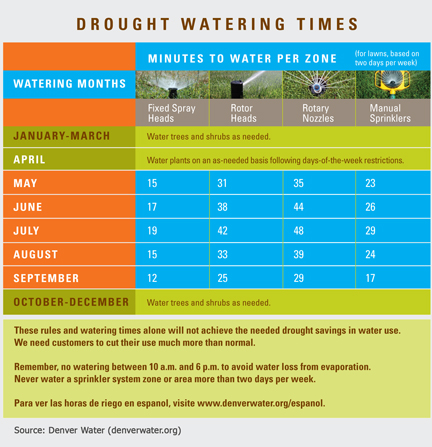
A common recommendation is to water 2-3 times per week, with each watering session lasting about 15-20 minutes per zone. This can be adjusted based on the factors mentioned earlier.
Seasonal Watering Adjustments
Your lawn’s water needs change with the seasons. A good seasonal watering strategy is essential for both plant health and water conservation.
- Spring: As your lawn begins to green up, watering needs are moderate. One to two deep watering sessions per week, around 20-25 minutes per zone, is often sufficient, provided rainfall isn’t adequate.
- Summer: This is when lawns are most stressed. You may need to increase watering frequency to 2-3 times per week, with watering duration potentially increasing to 20-30 minutes per zone, especially during heatwaves. Watch for signs of stress like wilting or a dull color.
- Fall: As temperatures cool, your lawn’s needs decrease. Watering can be reduced to once or twice a week, with shorter durations. This helps the grass prepare for winter dormancy.
- Winter: In most climates, winter dormancy means little to no supplemental watering is needed, especially if you receive regular rainfall or snow.
Enhancing Lawn Watering Efficiency
Making sure the water you use actually reaches your lawn’s roots is vital for lawn watering efficiency and water conservation.
Checking Your Sprinkler System
Regularly inspect your sprinkler system to ensure it’s working correctly.
- Sprinkler Head Cloggage/Damage: Clogged or damaged sprinkler heads can lead to uneven watering or water waste. Clean or replace them as needed.
- Leak Detection: Leaks in pipes or connections can waste significant amounts of water.
- Sprinkler Adjustment: Ensure sprinkler heads are aimed correctly and not spraying onto sidewalks, driveways, or buildings. Adjust them to cover only the lawn area.
- Pressure Issues: Low water pressure can lead to poor spray patterns and shorter watering distances, while too much pressure can cause misting and waste.
Water Auditing Your Sprinkler System
A simple way to gauge your system’s output is through a “tuna can test” or “catch-can test.”
- Placement: Place several identical, empty cans (like tuna cans or cat food cans) around each sprinkler zone.
- Timing: Run the sprinkler zone for a set amount of time (e.g., 15 minutes).
- Measurement: Measure the depth of water collected in each can.
- Analysis: The average depth will tell you how much water your system applies in that time. Use this to adjust your sprinkler system timing to achieve your target watering duration. For instance, if you want to apply 1 inch of water and your test shows 0.25 inches in 15 minutes, you’ll need to run that zone for 60 minutes total (broken into 15-minute intervals over your watering schedule).
Advanced Techniques for Optimal Lawn Hydration
Beyond the basics, several advanced techniques can further improve your lawn’s health and water usage.
Soil Moisture Meters
These tools help you gauge the actual moisture level in your soil. They take the guesswork out of watering, allowing you to water only when your lawn truly needs it.
- How They Work: Soil moisture meters have a probe that is inserted into the soil. They measure the electrical conductivity of the soil, which is related to its water content.
- Benefits: Prevents overwatering and underwatering, leading to healthier plants and significant water savings.
Smart Controllers and Rain Sensors
Modern sprinkler systems offer intelligent features for better lawn watering efficiency.
- Smart Controllers: These connect to weather data (online or via a sensor) and adjust your watering schedule automatically based on current and forecasted conditions. This ensures your lawn gets water when it needs it and skips watering when it rains.
- Rain Sensors: A simpler form of weather-based watering, rain sensors detect rainfall and temporarily shut off the sprinkler system, preventing unnecessary watering.
Mulching and Aeration
While not directly part of sprinkler operation, these practices significantly impact how well your lawn uses water.
- Mulching: Applying a layer of mulch around trees and shrubs helps retain soil moisture, reducing the need for supplemental watering in those areas.
- Aeration: This process creates small holes in the soil, improving water penetration and reducing runoff. It allows water and nutrients to reach the root zone more effectively, enhancing lawn hydration needs.
Troubleshooting Common Sprinkler Issues
Even with the best intentions, you might encounter problems with your sprinkler system. Knowing how to fix them can save water and keep your lawn healthy.
Uneven Watering
If some areas of your lawn are dry while others are soaked, you might have issues with:
- Sprinkler Head Spacing: Ensure your sprinkler heads are spaced correctly to overlap their spray patterns.
- Obstructions: Tree roots or other objects can block sprinkler spray.
- Pressure Imbalances: Uneven water pressure throughout the system can cause different zones to perform differently.
Water Waste and Runoff
Seeing water pooling on the surface or running down the street means your system isn’t efficient.
- Overwatering: The most common cause. Adjust your sprinkler run time and frequency.
- Slope: Watering too long on a slope can cause water to run off before it can soak in. Consider shorter, more frequent cycles on sloped areas (cycle-and-soak method).
- Soil Compaction: Compacted soil doesn’t absorb water well. Aeration can help.
Frequently Asked Questions About Lawn Sprinkler Run Times
Q: How much water does my lawn actually need?
A: Most established lawns need about 1 to 1.5 inches of water per week, including rainfall. This can vary greatly based on grass type, soil, and weather.
Q: Can I water my lawn every day?
A: Generally, it’s not recommended to water your lawn every day. Daily watering encourages shallow root growth. Aim for less frequent, deeper watering sessions.
Q: My grass is turning brown. Should I water more often or longer?
A: Brown grass can be a sign of underwatering, but also overwatering or disease. Check the soil moisture first. If it’s dry, try increasing your watering duration slightly or adjusting your watering schedule to water more deeply. If the soil is wet and the grass is still brown, consult a local extension office or lawn care professional.
Q: How do I know if my sprinklers are working efficiently?
A: Perform a catch-can test (as described above) to measure how much water your system applies in a set time. Also, visually inspect for leaks, proper spray patterns, and clogged heads.
Q: Should I water when it’s windy?
A: It’s best to avoid watering when it’s very windy. Wind can blow sprinkler spray off course, leading to wasted water and uneven watering. Try to water on calmer mornings.
Q: What is the best way to water a new lawn?
A: New lawns need frequent, light watering to keep the top inch of soil moist. This might mean watering for 5-10 minutes several times a day for the first few weeks until the grass is established. Then, gradually transition to deeper, less frequent watering.
By carefully considering these factors and adopting smart watering practices, you can ensure your lawn receives the optimal amount of water it needs to thrive, while also practicing responsible water conservation. Remember, the goal is a healthy, green lawn that requires less intervention and uses resources wisely.