
Can you dethatch your lawn too much? Yes, you can. Dethatching your lawn too often can stress the grass and make it more susceptible to disease and pests. However, infrequent dethatching allows thatch to build up, which can smother your lawn. So, how often should you dethatch your lawn? The answer depends on your grass type, soil, and how you care for your lawn.
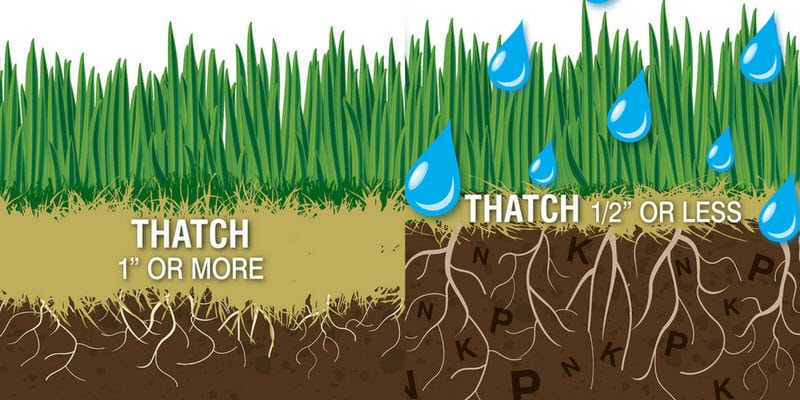
Image Source: www.milorganite.com
Deciphering Lawn Thatch Buildup
Lawn thatch is a layer of dead and living shoots, stems, and roots that accumulates between the green grass blades and the soil surface. A thin layer of thatch, about half an inch thick, is actually beneficial. It acts as a natural mulch, helping to insulate the soil, conserve moisture, and suppress weeds. However, when this layer grows too thick, it can cause problems.
What is Thatch Buildup?
Thatch buildup occurs when the rate of organic matter production exceeds the rate of decomposition. Normally, soil microbes and earthworms break down this organic material. But if conditions aren’t ideal for decomposition – such as compacted soil, poor drainage, or insufficient microbial activity – thatch can accumulate rapidly.
How to Tell if Lawn Needs Dethatching
The most reliable way to determine if your lawn needs dethatching is to check the thatch layer. You can do this by:
- Cutting a small plug of turf: Use a sharp knife or a small trowel to cut a small square of your lawn, about 4-6 inches deep. Carefully pull it out and look at the side. You’ll see the soil at the bottom, the green grass blades on top, and the layer of brown, spongy material in between – that’s the thatch.
- Measuring the thatch layer: If the brown layer is more than ½ inch thick, it’s time to consider dethatching.
Signs that your thatch layer is too thick include:
- The lawn feels spongy when you walk on it.
- Water doesn’t penetrate the soil well and runs off the surface.
- Fertilizers and pesticides don’t seem to work as effectively.
- The grass appears generally unhealthy or has shallow roots.
Lawn Dethatching Frequency: Finding the Right Schedule
Determining the correct lawn dethatching frequency is key to a healthy lawn. It’s not a one-size-fits-all approach. Several factors influence how often you should be performing this essential task.
Thatch Buildup Removal Schedule: What Influences It?
Your thatch buildup removal schedule will be unique to your lawn. Consider these points:
- Grass Type: Different grass types have different growth habits and thatch-producing tendencies.
- Soil Conditions: Soil compaction and poor drainage can accelerate thatch buildup.
- Fertilization Practices: Over-fertilizing, especially with nitrogen, can stimulate rapid growth and contribute to thatch.
- Watering Habits: Deep, infrequent watering is generally better for root health and can indirectly influence thatch.
- Aeration: Regular aeration helps improve soil structure and can reduce thatch accumulation.
Lawn Care Dethatching Intervals: General Guidelines
While the exact timing varies, here are some general lawn care dethatching intervals:
- Most cool-season grasses: May need dethatching every 1-2 years.
- Most warm-season grasses: May need dethatching every 1-2 years, sometimes more frequently if growing very aggressively.
- Lawns with rapid thatch buildup: Might require annual dethatching.
- Lawns with slow thatch buildup: Might only need it every 3-4 years.
When to Dethatch Lawn: Timing is Everything
The best time to dethatch lawn is when the grass is actively growing. This allows the grass to recover quickly from the stress of dethatching.
When to Dethatch Cool-Season Grass
Cool-season grasses, such as Kentucky bluegrass, perennial ryegrass, and fescues, thrive in cooler temperatures.
- Best Time: The ideal times to dethatch cool-season grasses are in early to mid-autumn (September and October) and early spring (March and April).
- Autumn: This is often the preferred time because the cooler weather helps the grass recover, and there’s less stress from heat and drought. It also allows the lawn to establish before winter and be ready for spring growth.
- Spring: Dethatching in spring is also effective, but it should be done after the grass has begun to green up and is actively growing. Avoid dethatching too early when the ground is still wet or the grass is just waking up.
When to Dethatch Warm-Season Grass
Warm-season grasses, like Bermuda grass, Zoysia grass, and St. Augustine grass, prefer warmer temperatures and go dormant in the cold.
- Best Time: The ideal time to dethatch warm-season grasses is in late spring or early summer, after the grass has fully emerged from dormancy and is actively growing.
- Late Spring/Early Summer: This period provides ample time for the grass to recover before the peak heat of summer arrives. The warm soil and increasing daylight hours promote vigorous regrowth.
- Avoid Dethatching: Do not dethatch warm-season grasses in late summer or autumn, as they won’t have enough time to recover before winter dormancy, potentially damaging or killing the lawn.
Dethatching Benefits and Timing: Why and When
Dethatching is a crucial part of lawn maintenance, offering significant advantages when performed at the right time.
Dethatching Benefits
- Improved Nutrient and Water Penetration: Removing thick thatch allows water, air, and nutrients to reach the soil and grass roots more easily.
- Better Fertilizer Efficacy: Fertilizers can be absorbed by the grass roots instead of being trapped in the thatch layer.
- Reduced Pest and Disease Problems: A thick thatch layer can harbor insects and fungal diseases. Removing it can help prevent these issues.
- Encourages Healthier Root Growth: By allowing better access to air and water, dethatching promotes deeper and stronger root development.
- Improved Appearance: A dethatched lawn looks tidier and greener.
Dethatching Timing Considerations
The timing of dethatching is critical to leverage its benefits and avoid harm. As discussed, the active growth periods for each grass type are the most important factor.
| Grass Type | Best Dethatching Times | Avoid Dethatching Times |
|---|---|---|
| Cool-Season | Early Spring, Early-Mid Autumn | Mid-Summer, Late Autumn |
| Warm-Season | Late Spring, Early Summer | Late Summer, Autumn, Winter |
Aerating and Dethatching Lawn: A Powerful Duo
Many homeowners often wonder about aerating and dethatching lawn in the same season. These two practices are highly complementary and can significantly improve lawn health when done correctly.
The Synergy of Aeration and Dethatching
- Aeration: This process involves creating small holes in the soil. It relieves soil compaction, allowing air, water, and nutrients to penetrate the root zone.
- Dethatching: This removes the excess thatch layer that can impede these same vital elements.
When performed together, they create an optimal environment for root growth and overall turf health.
When to Combine Aeration and Dethatching
It’s often beneficial to perform both practices close together. The ideal scenario is to:
- Dethatch first: This removes the surface layer of organic matter.
- Then aerate: This allows the loosened soil to be further exposed and facilitates the breakdown of any remaining thatch in the newly created holes.
The timing for combining these practices follows the same principles as dethatching alone: during the active growing seasons for your grass type. This ensures the lawn can recover quickly from the combined stress.
Dethatching Residential Lawns: Practical Approaches
For dethatching residential lawns, there are several tools and methods available, ranging from simple manual rakes to powered dethatchers.
Tools for Dethatching
- Dethatching Rake: These are specifically designed with stiff, sharp tines that pull up thatch. They are effective for smaller lawns but require significant physical effort.
- Power Dethatchers (Scarifiers): These machines use rotating flails or blades to cut into the thatch layer and pull it to the surface. They are much more efficient for larger lawns. You can rent or purchase these.
How to Dethatch
- Mow the lawn: Mow the grass to about 1-1.5 inches, leaving the clippings on the lawn.
- Dethatch: Use your chosen tool to vigorously rake or run the dethatcher over the lawn. Work in one direction, then go over it again in a perpendicular direction to ensure thorough thatch removal.
- Rake up thatch: Collect the loosened thatch and debris. You can compost this material if it doesn’t contain weed seeds.
- Water and Fertilize: Water the lawn thoroughly after dethatching. If you dethatched in spring, this is a good time to apply a balanced fertilizer.
- Overseed (if necessary): If the dethatching process has created bare spots, overseeding is recommended to fill them in.
Factors Affecting Thatch Accumulation and Dethatching Needs
Understanding the factors that influence thatch buildup will help you establish the correct lawn dethatching frequency.
Soil Compaction and Drainage
- Compacted Soil: When soil becomes compacted, air and water struggle to penetrate. This inhibits the natural decomposition process, leading to faster thatch buildup. Aeration is the primary solution for compacted soil.
- Poor Drainage: Waterlogged soil also hinders the activity of beneficial microbes that break down thatch. Ensuring good drainage is crucial.
Watering and Fertilization Practices
- Over-watering: Constantly wet soil can create an environment where thatch-loving fungi thrive, while the beneficial bacteria that decompose organic matter struggle.
- Excessive Nitrogen Fertilization: While nitrogen is essential for lush growth, applying too much, especially in a single application, can promote rapid top growth and contribute to thatch. Slow-release fertilizers are often preferred.
- Using Grass Clippings: Leaving grass clippings on the lawn (mulching) is generally good for soil health as they decompose and return nutrients. However, if the clippings are left in thick clumps, they can add to thatch. Mow regularly and ensure clippings are spread thinly.
Soil pH and Microbial Activity
- Soil pH: The ideal pH range for most turfgrasses is between 6.0 and 7.0. If your soil pH is too acidic or too alkaline, it can negatively impact the beneficial microorganisms responsible for thatch decomposition. Soil testing can identify pH issues.
- Microbial Activity: A healthy population of soil microbes is essential for breaking down organic matter. Practices that support microbial life, such as avoiding harsh chemicals and maintaining proper soil moisture and aeration, are important.
FAQ: Your Dethatching Questions Answered
Here are some common questions about lawn dethatching:
How much thatch is too much?
A thatch layer of more than ½ inch thick is generally considered too much and can negatively impact your lawn’s health.
Can I dethatch my lawn when it’s very wet?
No, it’s best to avoid dethatching when the soil is saturated. Dethatching wet soil can damage the grass roots and lead to soil compaction. Wait until the soil is moist but not soggy.
What should I do with the thatch after dethatching?
You can leave a thin layer of finely shredded thatch on the lawn to decompose, but thicker material should be raked up and removed. This collected thatch can often be composted, provided it doesn’t contain weed seeds or disease pathogens.
Is dethatching the same as aerating?
No, they are different processes with distinct benefits. Dethatching removes the layer of dead organic matter, while aerating creates small holes in the soil to relieve compaction and improve air and water circulation. They are often done in conjunction for maximum benefit.
How often should I fertilize my lawn?
The frequency of fertilization depends on your grass type and soil conditions, but a general guideline is 2-4 times per year during the active growing seasons. Always follow the product instructions and consider soil test results.
Will dethatching damage my lawn?
Dethatching can stress the grass, especially if done incorrectly or at the wrong time. However, when performed during the grass’s active growing period with appropriate tools and techniques, the lawn will typically recover quickly and benefit from the process.
What are the signs my lawn has too much thatch?
Look for a spongy feeling underfoot, poor water penetration, and a generally unhealthy appearance with shallow root systems. Measuring the thatch layer directly is the most accurate method.
By carefully considering your grass type, soil conditions, and current lawn care practices, you can establish an effective lawn dethatching frequency that keeps your turf healthy and vibrant. Remember, consistent and timely care is the hallmark of a beautiful lawn.