
Can you get rid of parvovirus in your yard? Yes, you can effectively get rid of parvovirus in your yard through thorough cleaning and disinfection. This guide will walk you through the process of canine parvovirus yard decontamination and safe parvo yard cleaning. We’ll cover removing parvo from soil, killing the parvo virus outdoors, identifying the best parvo disinfectant for yards, and providing a comprehensive yard treatment for canine parvo. Our aim is to achieve outdoor parvo eradication and effective disinfecting a yard after parvo.
Canine parvovirus (CPV) is a highly contagious and often deadly viral disease that affects dogs. It’s particularly dangerous for puppies and unvaccinated dogs. Once the virus is present in an environment, it can remain infectious for a very long time, sometimes months or even over a year, making yard decontamination a crucial step in preventing further spread and protecting other animals. This is why knowing how to get rid of parvo in your yard safely is paramount for any pet owner who has experienced an outbreak.
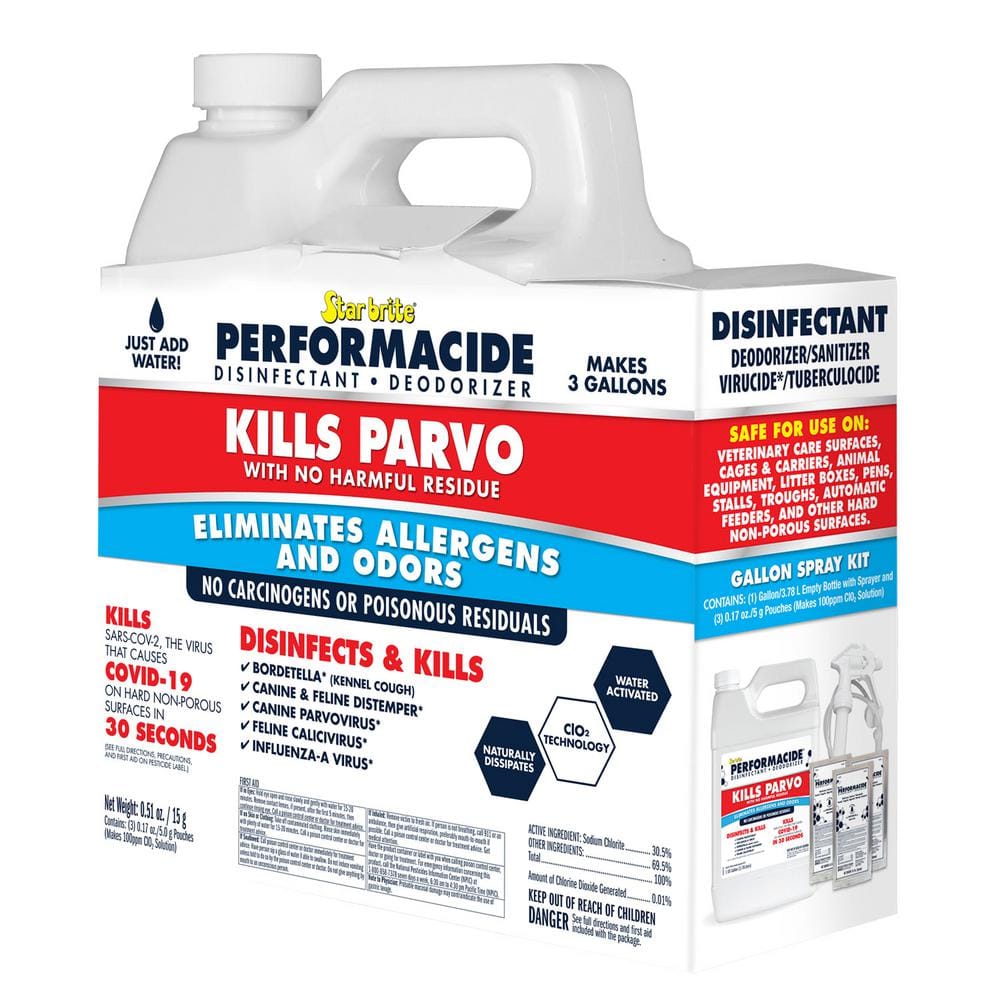
Image Source: images.thdstatic.com
Why Yard Decontamination is Essential
Parvovirus is incredibly resilient in the environment. It can survive on surfaces, in soil, and even on inanimate objects. When an infected dog defecates in your yard, it contaminates the area with the virus. This virus can then be picked up by other dogs, either through direct contact or by ingesting contaminated soil or grass. The severity of the disease means that simply waiting for the virus to disappear on its own is not a safe or effective strategy. Parvovirus yard cleaning is a proactive measure to protect the health of your canine companions and any future pets that may visit your property.
Identifying Contaminated Areas
The first step in parvovirus yard remediation is to identify the areas where your infected dog spent time. This includes:
- Favorite potty spots: Where the infected dog typically urinated and defecated.
- Playing and resting areas: Spots where the dog might have rolled, slept, or chewed toys.
- High-traffic pathways: Areas the dog frequently walked through.
Visually inspect these areas for any remaining feces or vomit. Even if you don’t see anything, assume these areas are contaminated.
The Process of Parvovirus Yard Cleaning
Getting rid of parvo from soil and grass requires a systematic approach. It’s not just about spraying a disinfectant; it’s about a multi-step process to ensure the virus is neutralized.
Step 1: Thorough Physical Removal
Before any disinfection can occur, all organic matter must be removed. Organic matter, such as feces, vomit, grass clippings, and dead leaves, can shield the virus from disinfectants.
- Remove all solid waste: Use gloves and a shovel or pooper scooper to meticulously collect all feces, vomit, and any other organic debris from the yard. Double-bag these items in sturdy plastic bags.
- Dispose of waste properly: Seal the bags tightly and dispose of them in an outdoor garbage bin that is regularly emptied. It’s advisable to keep this bin away from areas where pets have access.
- Remove contaminated materials: If any items like toys, blankets, or even patches of grass are heavily soiled and cannot be effectively disinfected, it is best to discard them.
Step 2: Cleaning Affected Surfaces
Hard surfaces like concrete patios, decks, or pathways require a different cleaning approach.
- Scrubbing: Use a stiff brush and a strong detergent solution to scrub all hard surfaces thoroughly. This physical action helps to break down any viral particles.
- Rinsing: Rinse the scrubbed areas thoroughly with water.
Step 3: Selecting the Right Parvo Disinfectant for Yards
This is a critical step in killing the parvo virus outdoors. Not all disinfectants are effective against parvovirus. The virus is known for its resistance.
Key Disinfectants Effective Against Parvovirus
The most commonly recommended and effective disinfectant for parvovirus is a diluted solution of sodium hypochlorite (household bleach). However, it’s crucial to use it correctly and with caution.
Dilution Ratios for Bleach:
- For general disinfection of surfaces and soil: A dilution of 1:30 is often recommended (1 part bleach to 30 parts water). For example, if you are using a gallon of water, you would add approximately 4.3 fluid ounces of bleach.
- For heavily contaminated areas: A stronger solution might be considered, but always check product labels and consult with your veterinarian.
Important Considerations When Using Bleach:
- Safety First: Bleach is a strong chemical. Wear protective gear, including rubber gloves, eye protection (goggles), and old clothing. Ensure good ventilation.
- Material Damage: Bleach can discolor or damage certain materials, including fabrics, some types of wood, and metals. Test the solution on an inconspicuous area first.
- Environmental Impact: Bleach can harm plants and soil microorganisms. Use it judiciously and avoid runoff into waterways.
Other Potential Disinfectants
While bleach is the gold standard, other disinfectants may have some efficacy. However, their effectiveness against parvovirus in outdoor, variable conditions can be less reliable. Always check the product label for efficacy against canine parvovirus or similar hardy viruses.
- Potassium Monopersulfate (Virkon™ S, etc.): This is a broad-spectrum disinfectant often used in veterinary settings. It is generally considered safe for most surfaces and is effective against a wide range of pathogens, including parvovirus. It is often available as a powder that you mix with water. Follow the manufacturer’s instructions for dilution and application.
- Accelerated Hydrogen Peroxide (Rescue™): Products based on accelerated hydrogen peroxide can also be effective. They are generally considered less harsh than bleach. Again, follow the specific product’s instructions for use against viruses like parvovirus.
Table 1: Comparison of Common Disinfectants
| Disinfectant | Effectiveness Against Parvo | Safety for Pets (once dry) | Material Safety | Precautions |
|---|---|---|---|---|
| Sodium Hypochlorite (Bleach) | High | Low (toxic if ingested) | Moderate (can discolor) | Requires dilution, ventilation, protective gear. Avoid contact with pets until dry and rinsed. |
| Potassium Monopersulfate | High | High | High | Follow manufacturer’s dilution and contact time. Generally safe. |
| Accelerated Hydrogen Peroxide | High | High | High | Follow manufacturer’s dilution and contact time. Generally safe. |
Step 4: Applying the Disinfectant
The method of application depends on the area you are treating.
Disinfecting Soil and Grass
- Spraying: A garden sprayer is ideal for applying the disinfectant solution to soil and grass.
- Coverage: Ensure thorough and even coverage of all suspected contaminated areas. Pay close attention to the spots you identified earlier.
- Contact Time: This is crucial. Disinfectants need time to work. For bleach solutions, allow at least 10-20 minutes of contact time before rinsing or allowing the area to dry. For other disinfectants, follow the manufacturer’s recommended contact time.
- Rinsing (Optional but Recommended): After the contact time, rinsing with clean water can help remove residual disinfectant and any remaining viral particles. However, for soil, excessive rinsing can also wash away beneficial soil components. A light rinse is often sufficient.
- Repeat Applications: For robust outdoor parvo eradication, multiple applications may be necessary, especially in heavily contaminated areas or if the weather conditions are not ideal (e.g., heavy rain can wash away disinfectant).
Disinfecting Hard Surfaces
- Soaking: For patios, decks, or concrete, you can often flood the surface with the disinfectant solution and allow it to sit for the required contact time.
- Scrubbing: After the contact time, a gentle scrub can help ensure the disinfectant reaches all crevices.
- Rinsing: Rinse thoroughly with clean water to remove any disinfectant residue.
Step 5: Post-Treatment and Prevention
After the thorough cleaning and disinfecting a yard after parvo, there are still steps to take.
- Allow to Dry: Let the treated areas dry completely. The sun’s UV rays can also help inactivate the virus.
- Rest Period: Ideally, keep dogs off the treated areas for at least 30 days if possible, especially if the virus was confirmed. This gives the disinfectant maximum time to work and allows any remaining viral particles to degrade naturally.
- Re-evaluation: After the rest period, you can consider a light repeat of the disinfection process in high-traffic areas before allowing dogs back into the yard.
- Vaccination is Key: Ensure all dogs in the household are up-to-date on their vaccinations, including the parvovirus vaccine. Consult your veterinarian for the appropriate vaccination schedule.
- Preventative Measures: Avoid introducing new, unvaccinated dogs into your yard, especially if it has a history of parvo contamination. Be cautious in public areas where the virus may be present.
Challenges in Yard Decontamination
Removing parvo from soil is one of the most challenging aspects of parvovirus yard remediation.
- Soil Porosity: Soil is porous, and viral particles can penetrate the surface, making them harder to reach with disinfectants.
- Environmental Factors: Rain, sunlight, temperature, and humidity can all affect the viability of the virus and the efficacy of disinfectants. High temperatures and direct sunlight can help degrade the virus, but it can still survive for extended periods in cool, damp conditions.
- Organic Matter: As mentioned, organic matter provides protection for the virus.
Strategies for Overcoming Challenges
- Deep Treatment: For heavily contaminated soil, consider a deeper treatment. This might involve aerating the soil or tilling it after the initial cleaning and disinfection to expose more surface area. Then, reapply disinfectant.
- Multiple Treatments: Be prepared for multiple rounds of cleaning and disinfection. Consistency is key for outdoor parvo eradication.
- Consider Resurfacing: In extreme cases, especially for small, heavily contaminated areas like a dog run, you might consider removing and replacing the soil or grass.
How to Kill Parvo Virus Outdoors Safely and Effectively
Killing the parvo virus outdoors requires a combination of physical removal, appropriate disinfection, and patience.
- Immediate Cleanup: As soon as an outbreak is suspected or confirmed, physically remove all feces and vomit.
- Choose the Right Disinfectant: Select a disinfectant known to be effective against parvovirus, such as a diluted bleach solution (1:30) or a veterinary-grade disinfectant like Virkon™ S or Rescue™.
- Thorough Application: Apply the disinfectant to all areas your infected dog may have accessed. Use a sprayer for even coverage.
- Observe Contact Time: Allow the disinfectant to remain on the surface for the recommended contact time. This is vital for killing the virus.
- Rinse and Dry: Rinse treated areas with clean water and allow them to dry completely.
- Allow for a Rest Period: Keep pets away from the treated areas for at least 30 days to ensure maximum effectiveness and viral degradation.
- Consult Your Veterinarian: Always consult your veterinarian for specific recommendations tailored to your situation. They can advise on the best cleaning products and procedures.
Reintroducing Pets to a Decontaminated Yard
After undertaking extensive canine parvovirus yard decontamination, you’ll want to reintroduce your pets safely.
- Gradual Reintroduction: Don’t let your pets have free rein of the entire yard immediately. Start by allowing them supervised access to specific, thoroughly cleaned areas.
- Monitor for Symptoms: Keep a close eye on your pets for any signs of illness. If they start showing symptoms like vomiting, diarrhea, lethargy, or loss of appetite, contact your veterinarian immediately.
- Maintain Hygiene: Continue to practice good yard hygiene, promptly cleaning up any feces.
- Vaccination Status: Ensure all pets are fully vaccinated and their boosters are up-to-date. This is the best defense against contracting the virus.
Important Safety Precautions When Disinfecting
Working with disinfectants, especially bleach, requires strict adherence to safety protocols.
Personal Protective Equipment (PPE)
- Gloves: Always wear sturdy rubber or nitrile gloves to protect your skin from irritation and chemical burns.
- Eye Protection: Wear safety goggles or glasses to prevent disinfectant from splashing into your eyes.
- Clothing: Wear old clothes that you don’t mind getting stained or damaged by the disinfectant. Consider a long-sleeved shirt and pants.
- Respiratory Protection: In enclosed or poorly ventilated areas, consider wearing a mask (like an N95 respirator) to avoid inhaling fumes.
Ventilation and Storage
- Ventilation: If disinfecting any enclosed or semi-enclosed outdoor spaces (like a kennel or covered patio), ensure good ventilation. Open doors and windows.
- Never Mix Chemicals: Crucially, never mix bleach with ammonia or other cleaning products. This can create toxic gases.
- Storage: Store disinfectants in their original containers, tightly sealed, and out of reach of children and pets.
Environmental Considerations
- Plant Protection: If possible, cover or protect desirable plants from direct contact with strong disinfectant solutions, as they can cause damage.
- Water Runoff: Be mindful of where the rinse water goes. Avoid allowing disinfectant-laden water to run into storm drains or natural water sources.
Frequently Asked Questions (FAQ) about Parvo Yard Cleaning
How long does parvovirus survive in the yard?
Parvovirus is notoriously hardy. It can survive in the environment for several months, sometimes up to a year or even longer, especially in protected environments (like under decks or in shaded areas).
Can my dog get parvo again if it recovered from it?
While dogs that have recovered from parvovirus have some immunity, it’s not always absolute. They can still be susceptible to reinfection, especially by different strains of the virus, or if their immunity wanes. Therefore, thorough decontamination is still necessary.
What if I can’t get my yard completely clean?
If your yard is very large or has many difficult-to-access areas, focus your efforts on the primary zones of contamination. You may need to restrict your dog’s access to specific parts of the yard for an extended period. Consult with your veterinarian for advice on managing large outdoor spaces.
How often should I disinfect my yard after an outbreak?
After an initial thorough decontamination, repeating the disinfection process every few weeks for the first few months can be beneficial, especially in high-traffic areas. However, the most critical element is the initial comprehensive cleaning.
Can my dog play in the yard after it’s been disinfected?
It’s best to keep dogs off treated areas for at least 30 days, if possible, after disinfection. This allows the disinfectant to work effectively and for the environment to stabilize. If this isn’t feasible, ensure the area is completely dry and has been rinsed thoroughly.
What if I have a very young puppy that needs to go outside?
If you have a very young, unvaccinated puppy and are concerned about parvovirus in your yard, you will need to create a safe, isolated potty area. This area should be completely separate from where the infected dog may have been. Consider using a dedicated potty pad area or a small, enclosed space that you can meticulously clean and disinfect daily. Always consult your veterinarian for guidance on puppy socialization and potty training in a potentially contaminated environment.
Conclusion
Getting rid of parvo in your yard safely and effectively is a serious undertaking that requires diligence and the right approach. By following these steps for canine parvovirus yard decontamination, you can significantly reduce the risk of infection for other dogs. Remember that consistency, the correct use of disinfectants, and a good understanding of the virus’s resilience are key to successful outdoor parvo eradication. Always prioritize safety for yourself, your pets, and the environment when undertaking any yard treatment for canine parvo. When in doubt, consult your veterinarian for expert advice.