
What are the best ways to hire lawn care employees? The best ways involve clear job descriptions, effective recruitment strategies, thorough interviews, robust onboarding, and ongoing training. This guide will delve into these key areas and more, providing practical advice for building a successful lawn care team.
Finding lawn care staff can feel like searching for a needle in a haystack, but with the right approach, you can attract and retain reliable, skilled individuals. Building a strong team is crucial for any lawn care business looking to grow and maintain a high standard of service. From attracting talent to keeping them motivated, every step in the hiring process matters.
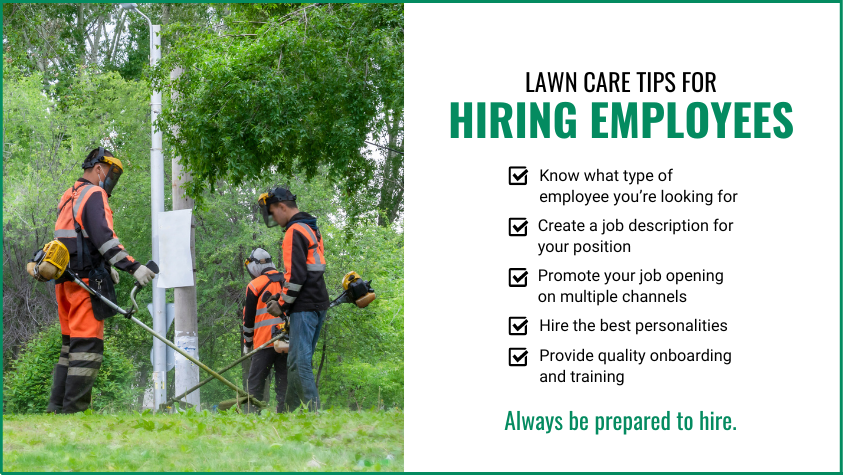
Image Source: lawnbuddy.com
Attracting Top Talent: Finding Lawn Care Staff
The first step in building a great team is drawing in the right candidates. You need to make your company an attractive place to work. This starts with how you advertise your open positions and the image you project.
Crafting Compelling Job Descriptions
A job description is more than just a list of duties; it’s your first impression on potential employees. It needs to be clear, concise, and engaging.
- Be Specific: Clearly outline the responsibilities, such as mowing, trimming, edging, weeding, planting, fertilization, pest control, and irrigation system maintenance.
- Highlight Benefits: Go beyond just salary. Mention health insurance, paid time off, opportunities for advancement, uniforms, and any company culture perks.
- State Requirements: List essential qualifications like a valid driver’s license, ability to lift a certain weight, and any required certifications (e.g., pesticide applicator license).
- Use Keywords: Incorporate terms like “landscaping,” “groundskeeping,” and “lawn maintenance” to improve search visibility.
- Showcase Company Culture: Briefly describe what it’s like to work for your company. Do you emphasize teamwork, customer service, or professional development?
Expanding Your Recruitment Reach: Recruiting Lawn Maintenance Workers
Don’t rely on just one method for finding candidates. Cast a wide net to capture the best talent.
- Online Job Boards: Utilize platforms like Indeed, LinkedIn, and specialized industry job boards.
- Local Classifieds: Sometimes, local newspapers or community websites can reach a different demographic.
- Referral Programs: Encourage your current employees to refer friends and family. Offer a bonus for successful hires. This often leads to higher-quality candidates.
- Trade Schools and Colleges: Partner with local horticultural or landscaping programs to find entry-level talent.
- Social Media: Use platforms like Facebook and Instagram to advertise openings and showcase your company’s work and team.
- Local Events: Participate in community job fairs or industry events to network and meet potential hires.
Creating an Attractive Employee Value Proposition (EVP)
Your EVP is what makes your company stand out. It’s the unique set of benefits and opportunities you offer.
- Competitive Compensation: Research industry standards and offer pay that reflects experience and skill.
- Benefits Package: Health insurance, retirement plans, and paid time off are significant draws.
- Growth Opportunities: Employees want to see a future. Offer pathways for promotion, skill development, and leadership roles.
- Positive Work Environment: Foster a culture of respect, teamwork, and appreciation.
- Work-Life Balance: While lawn care can be demanding, consider how you support employee well-being.
Selecting the Right Candidates: Interviewing Landscaping Employees
Once you have a pool of applicants, the interview process becomes critical. This is where you assess not only skills but also attitude and fit.
Structuring Effective Interviews
A structured interview ensures you evaluate all candidates consistently and fairly.
- Prepare Your Questions: Develop a list of behavioral and situational questions.
- Involve Key Personnel: Have a supervisor or experienced team member participate in the interviews.
- Assess Skills Practically: Consider a hands-on skills test, such as operating a mower or performing a specific landscaping task.
Sample Interview Questions:
- Behavioral: “Tell me about a time you had to handle a difficult customer. How did you resolve the situation?”
- Situational: “If you noticed a lawn issue you weren’t sure how to treat, what would you do?”
- Technical: “What are the different types of grass you commonly encounter in this region, and how do you care for them?”
- Motivation: “What interests you most about working in the lawn care industry?”
- Teamwork: “Describe your experience working as part of a team. What role do you typically play?”
Evaluating Candidates Beyond Skills
While technical skills are important, don’t overlook soft skills and personality.
- Reliability: Discuss punctuality and commitment. Ask about their previous attendance records.
- Attitude: Look for a positive outlook, willingness to learn, and a strong work ethic.
- Problem-Solving: Can they think on their feet and handle unexpected challenges?
- Customer Service: Many lawn care roles involve direct client interaction. Assess their communication and interpersonal skills.
- Safety Consciousness: Lawn care involves tools and equipment. Ensure they understand and prioritize safety.
Conducting Skills Assessments
A practical assessment can reveal a candidate’s true abilities.
- Equipment Operation: Have them demonstrate safe and efficient operation of mowers, trimmers, blowers, and other relevant equipment.
- Plant Identification: Test their knowledge of common plants, trees, and shrubs in your service area.
- Tool Maintenance: Assess their ability to clean and perform basic maintenance on tools.
- Safety Procedures: Observe their adherence to safety protocols during the assessment.
Navigating the Hiring Process: Hiring Groundskeeping Staff
The lawn care hiring process involves several stages, from initial screening to making an offer. Efficiency and thoroughness are key.
The Stages of the Lawn Care Hiring Process
- Application Review: Screen resumes and applications for essential qualifications and relevant experience.
- Phone Screening: Conduct brief phone calls to gauge interest, verify basic qualifications, and assess communication skills.
- In-Person Interviews: Conduct in-depth interviews, potentially including a skills assessment.
- Reference Checks: Contact previous employers to verify employment history, performance, and reliability.
- Background Checks: Depending on your company policy and the role, consider background checks for criminal history or driving records.
- Job Offer: Extend a formal offer of employment, outlining terms, conditions, and benefits.
Legal Considerations in Hiring
Ensure your hiring practices comply with all labor laws.
- Equal Opportunity: Do not discriminate based on race, religion, gender, age, disability, or any other protected characteristic.
- I-9 Verification: Properly verify the identity and employment authorization of all new hires.
- Wage and Hour Laws: Understand minimum wage requirements and overtime regulations.
- Drug Testing: If you implement drug testing, ensure it’s done consistently and legally.
Making the Job Offer
A well-structured job offer makes a good final impression and sets clear expectations.
- Formal Offer Letter: Include the job title, start date, compensation, benefits, reporting structure, and any contingencies (e.g., successful background check).
- Welcome Packet: Provide information about the company, policies, and the first day’s schedule.
Welcoming New Hires: Onboarding Lawn Care Crew
A strong onboarding process is crucial for integrating new employees and setting them up for success. It’s more than just paperwork; it’s about making them feel part of the team.
Developing a Comprehensive Onboarding Plan
What should a new lawn care employee expect?
- First Day Welcome: Greet them warmly, introduce them to the team, and provide a tour of the facilities.
- Paperwork Completion: Ensure all necessary employment forms are completed accurately and efficiently.
- Company Policies and Procedures: Review the employee handbook, safety manual, and company standards.
- Equipment Introduction: Familiarize them with the tools, machinery, and vehicles they will be using, emphasizing safe operation and maintenance.
- Initial Training: Begin their job-specific training, focusing on core tasks and company methods.
The Importance of Early Integration
Making new hires feel welcome and valued from day one significantly impacts their long-term engagement.
- Buddy System: Assign an experienced employee to mentor the new hire during their initial weeks.
- Regular Check-ins: Supervisors should meet regularly with new employees to address questions and provide feedback.
- Team Lunches/Activities: Encourage social interaction to help them build relationships with colleagues.
Building Skills and Confidence: Training Lawn Care Employees
Continuous learning and skill development are vital for a high-performing lawn care team. Well-trained employees are safer, more efficient, and provide better service.
Essential Training Areas
- Safety Training: This is paramount. Cover proper use of equipment, personal protective equipment (PPE), hazard identification, and emergency procedures.
- Technical Skills: Train on specific mowing techniques, trimming, edging, pruning, fertilization schedules, pest and disease identification, and irrigation management.
- Equipment Operation and Maintenance: Ensure proficiency in operating all machinery and understanding basic maintenance routines to prevent breakdowns.
- Customer Service: Train employees on how to interact with clients, address concerns, and maintain a professional demeanor.
- Company Standards: Reinforce quality standards, work efficiency, and adherence to schedules.
Training Methods to Consider
- On-the-Job Training (OJT): The most common method, where experienced employees train new hires while working.
- Workshops and Seminars: Bring in experts or use internal resources for specific skill development.
- Online Courses and Videos: Utilize digital resources for learning about new techniques or safety protocols.
- Mentorship Programs: Pair less experienced staff with seasoned professionals.
- Cross-Training: Train employees on a variety of tasks to increase flexibility and skill depth.
Training Schedule Example (First Month):
| Week | Focus Area | Activities |
|---|---|---|
| 1 | Safety & Basic Equipment Familiarization | Safety orientation, PPE usage, mower/trimmer basics, facility tour, paperwork |
| 2 | Mowing Techniques & Site Familiarization | OJT on mowing patterns, property walkthroughs, basic tool care |
| 3 | Edging, Trimming & Weed Control | Hands-on training, chemical safety (if applicable), identifying common weeds |
| 4 | Plant Identification & Basic Pruning/Cultivation | Field learning, pruning techniques, introduction to irrigation systems |
Retaining Your Best People: Lawn Care Employee Retention
Hiring great employees is only half the battle; keeping them is the real challenge. High turnover is costly and disruptive.
Strategies for Lawn Care Staffing Tips
Effective retention strategies require ongoing effort and a focus on employee satisfaction.
- Competitive Pay and Benefits: Regularly review your compensation to ensure it remains competitive.
- Opportunities for Advancement: Provide clear paths for promotion and increased responsibility.
- Recognition and Appreciation: Acknowledge good work through praise, bonuses, or other forms of recognition.
- Fair Workload Distribution: Ensure tasks are allocated equitably and that employees aren’t consistently overworked.
- Open Communication: Foster an environment where employees feel comfortable sharing feedback and concerns.
- Invest in Training: Continuous development shows you value their growth.
- Positive Work Environment: Cultivate a culture of respect, teamwork, and safety.
Addressing Common Retention Issues
- Burnout: Ensure reasonable hours and provide adequate breaks. Encourage skill diversification to prevent monotony.
- Lack of Growth: Create clear career progression paths within the company.
- Poor Management: Train supervisors to be effective leaders, providing support and constructive feedback.
- Feeling Undervalued: Implement recognition programs and foster a culture of appreciation.
The Impact of High Retention
- Reduced Costs: Less money spent on recruitment and training.
- Increased Productivity: Experienced teams are more efficient.
- Improved Customer Service: Familiar faces build trust with clients.
- Stronger Company Culture: Stability fosters a more cohesive and positive work environment.
Best Practices for Hiring Lawn Care Professionals
To summarize, here are key best practices to ensure your hiring is a success.
Key Takeaways for Hiring Lawn Care Employees
- Define Your Needs Clearly: From job descriptions to skills required.
- Target Your Recruitment: Use multiple channels to find the best candidates.
- Interview Thoroughly: Assess skills, attitude, and cultural fit.
- Onboard Effectively: Make new hires feel welcome and prepared.
- Train Continuously: Equip your team with the skills they need to excel.
- Prioritize Retention: Create a positive environment where employees want to stay.
By focusing on each stage of the hiring and employment lifecycle, you can build a dedicated and skilled team that drives your lawn care business forward. Investing time and resources into finding, training, and retaining the right people will pay dividends in service quality, customer satisfaction, and overall business growth.
Frequently Asked Questions (FAQ)
Q1: What is the best way to find entry-level lawn care staff?
A1: For entry-level positions, consider advertising at local community centers, high schools with vocational programs, and online job boards like Indeed. Referral programs from existing employees are also excellent for finding reliable individuals.
Q2: Can I ask about a candidate’s past drug use during an interview?
A2: It’s generally advisable to avoid direct questions about past drug use. Instead, focus on asking about their ability to perform the job safely and adhere to your company’s drug-free workplace policy. If you have a drug testing policy, inform candidates about it as part of the hiring process.
Q3: How important are certifications for lawn care employees?
A3: Certifications, especially those related to pesticide application or specific equipment operation, can be very important depending on the role and your service offerings. They demonstrate a higher level of expertise and adherence to industry standards. However, for general labor roles, a willingness to learn and a good work ethic are often more critical initially.
Q4: What is a reasonable salary range for a lawn care technician?
A4: Salary ranges vary significantly by location, experience, and the specific duties. It’s best to research local market rates for similar positions. Offering competitive pay is crucial for attracting and retaining quality staff.
Q5: How long should the onboarding process for a new lawn care employee typically last?
A5: While initial paperwork and introductions might take a day or two, a comprehensive onboarding process that includes thorough training and integration into the team can extend for several weeks or even a few months, depending on the complexity of the role and the employee’s prior experience.
Q6: Who is responsible for ensuring safety equipment is provided and used correctly?
A6: It is the employer’s responsibility to provide necessary safety equipment (PPE) and to train employees on its proper use and maintenance. Employees are then responsible for using the provided equipment correctly.
Q7: What are some effective lawn care staffing tips for seasonal businesses?
A7: For seasonal businesses, focus on building relationships with a pool of reliable seasonal workers, offering competitive temporary wages, and clearly communicating the duration of employment. Early recruitment and clear onboarding are vital to prepare for peak seasons.
Q8: How can I improve lawn care employee retention in a competitive market?
A8: To improve retention, focus on offering competitive compensation and benefits, providing opportunities for advancement and skill development, recognizing and rewarding good performance, and fostering a positive and respectful work environment.
Q9: What are the best practices for hiring landscaping employees who have customer interaction experience?
A9: When hiring for roles that involve customer interaction, prioritize candidates with strong communication skills, a professional demeanor, and a positive attitude. During interviews, ask behavioral questions about how they handle customer service situations and assess their ability to represent your company well.
Q10: What should be included in a lawn care employee handbook?
A10: An employee handbook should cover company policies, code of conduct, compensation and benefits, timekeeping and payroll, safety procedures, attendance policies, grievance procedures, and equal employment opportunity statements.