
So, how many gallons per minute (GPM) does a garden hose flow? Typically, a standard garden hose can flow anywhere from 5 to 10 GPM (gallons per minute). However, this is just a general range, and the actual water output can vary significantly based on several crucial factors. Let’s dive deep into what influences your hose’s GPM.
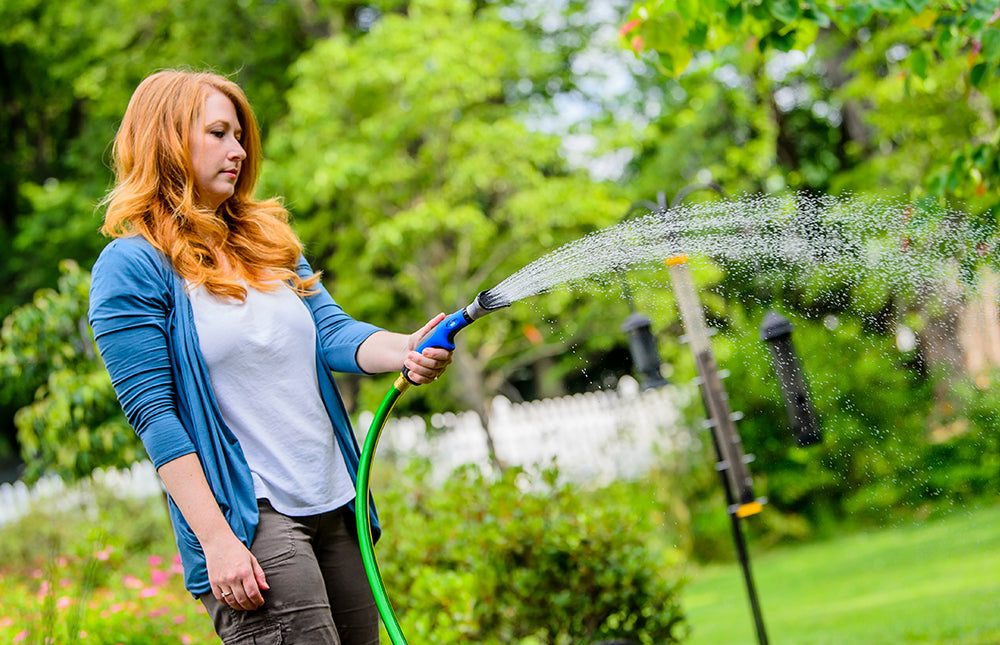
Image Source: swanhose.com
Fathoming Your Hose’s Water Flow: Key Factors
The amount of water your garden hose delivers isn’t a fixed number. Think of it like a river; its flow can change. Several elements play a vital role in determining the GPM for garden hose applications, from filling a kiddie pool to watering your prize-winning roses.
Water Pressure: The Driving Force
The primary driver behind your hose’s water output is water pressure garden hose. This is usually measured in Pounds per Square Inch (PSI). Higher water pressure means more force pushing the water out, resulting in a higher GPM.
- Household Water Pressure: Most homes receive water pressure between 40 to 60 PSI. This is generally sufficient for most gardening tasks.
- Low Pressure: If your home’s water pressure is consistently below 40 PSI, you’ll likely experience a lower GPM from your garden hose. This can be due to issues with your water main, old plumbing, or even a partially closed valve.
- High Pressure: While higher pressure might seem beneficial, excessively high pressure (over 80 PSI) can actually damage your plumbing and hose. It’s also important to note that very high pressure can sometimes lead to a smaller effective flow if the hose isn’t designed to handle it.
Hose Diameter GPM: Size Matters
The diameter of your garden hose has a significant impact on the water flow rate hose. Wider hoses allow more water to pass through at a given pressure, thus increasing the GPM.
- Standard Hoses: Most common garden hoses are ½ inch or ⅝ inch in diameter.
- Larger Diameter Hoses: Hoses with larger diameters (¾ inch or even 1 inch) can deliver a substantially higher GPM. This is particularly useful for tasks that require a large volume of water quickly, such as filling swimming pools or operating high-volume sprinklers.
Here’s a general idea of how diameter affects flow, assuming similar water pressure:
| Hose Diameter | Approximate GPM Range (at 50 PSI) |
|---|---|
| ½ inch | 5 – 7 GPM |
| ⅝ inch | 7 – 10 GPM |
| ¾ inch | 10 – 15 GPM |
| 1 inch | 15 – 25 GPM |
Hose Length: The Friction Factor
While less intuitive, the length of your garden hose also affects its garden hose flow rate. The longer the hose, the more friction the water encounters as it travels. This friction reduces the water pressure at the nozzle end, leading to a lower GPM.
- Short Hoses: A 25-foot hose will generally have a higher GPM than a 100-foot hose of the same diameter and pressure.
- Long Hoses: For longer runs, consider using a wider diameter hose to compensate for the pressure loss due to friction.
Nozzle and Attachments: The Flow Control
The type of nozzle or sprinkler attached to your hose can dramatically influence the water output garden hose.
- Adjustable Nozzles: These allow you to control the spray pattern and, to some extent, the flow rate. A wide, open spray will typically allow more water through than a concentrated jet.
- Sprinklers: The design of a sprinkler GPM is specific to its type. Oscillating sprinklers, impact sprinklers, and rotary sprinklers all have different flow requirements and capacities. A sprinkler designed for high GPM will require a hose capable of delivering that volume.
- Spray Guns: Some high-end spray guns are designed to maintain a strong flow even with some pressure drop, while simpler models might restrict flow more significantly.
Faucet GPM: The Source Matters
Ultimately, the faucet GPM dictates the maximum possible flow rate for your garden hose. If your main water supply can only deliver 5 GPM to your faucet, no matter how wide or short your hose is, you won’t be able to exceed that.
- Municipal Water Supply: The pressure and flow rate provided by your local water utility are the foundational elements.
- Home Plumbing: The diameter of your pipes, the condition of your plumbing, and any water-saving devices installed can all affect the flow to your outdoor faucets.
Calculating Your Garden Hose’s GPM
While you can get a rough estimate based on the factors above, accurately determining your GPM calculation garden hose often involves a simple test.
The Bucket Test: A Simple Measurement
This is a straightforward way to measure your hose’s actual flow rate.
What You’ll Need:
- A container with a known volume (e.g., a 5-gallon bucket)
- Your garden hose with the nozzle or sprinkler you typically use
- A stopwatch or timer
Steps:
- Turn on the water: Fully open the outdoor faucet connected to your hose.
- Start timing: As soon as the water starts flowing into the bucket, start your timer.
- Fill the bucket: Let the water flow until the bucket is full.
- Stop timing: As soon as the bucket is full, stop the timer.
- Calculate GPM:
- If you used a 5-gallon bucket and it took 30 seconds to fill:
- There are 60 seconds in a minute, so 30 seconds is 0.5 minutes.
- GPM = Volume (gallons) / Time (minutes)
- GPM = 5 gallons / 0.5 minutes = 10 GPM
- If you used a 5-gallon bucket and it took 30 seconds to fill:
Example Calculation:
- Bucket Volume: 5 gallons
- Time to fill: 45 seconds (0.75 minutes)
- GPM = 5 gallons / 0.75 minutes = 6.67 GPM
This test provides a practical measurement of your average garden hose flow.
Formula for Flow Rate
For those who prefer a more direct calculation, you can use the following formula, though it requires knowing your water pressure and hose specifications:
Q = 29.73 × d² × √(P)
Where:
- Q = Flow rate in GPM
- d = Inside diameter of the hose in inches
- P = Pressure in PSI at the nozzle
Important Considerations for this Formula:
- This formula is a simplification and assumes ideal conditions with no friction loss.
- The actual flow will likely be lower than calculated due to hose length and internal friction.
- The pressure (P) should be the pressure at the nozzle, which is often lower than the pressure at the faucet due to friction loss.
Optimizing Your Garden Hose’s Performance
If your current water output garden hose isn’t meeting your needs, there are several ways to improve it.
Upgrading Your Hose
- Choose a wider diameter: If you frequently need more water, consider switching to a ¾ inch or 1-inch diameter hose. This is often the most effective way to increase GPM.
- Invest in a quality hose: Thicker, less flexible hoses often have smoother interiors, reducing friction and pressure loss. They are also more durable.
Addressing Water Pressure Issues
- Check your main valve: Ensure the main water shut-off valve for your house is fully open.
- Inspect for leaks: Leaks anywhere in your plumbing system can reduce overall pressure.
- Consider a pressure booster: For persistent low-pressure issues, a whole-house water pressure booster pump can be installed, though this is a more significant investment.
- Consult a plumber: If you suspect your home’s plumbing is the bottleneck, a professional can diagnose and fix the issue.
Selecting the Right Nozzle or Sprinkler
- Low-flow nozzles: If water conservation is a priority, choose a nozzle designed for lower flow rates.
- High-flow nozzles/sprinklers: For tasks requiring rapid filling or robust watering, select attachments that are known for their high GPM capacity. Ensure your hose and pressure can support the demands of these accessories.
Common Scenarios and Their GPM Needs
Different gardening and household tasks have varying GPM requirements.
Watering Plants and Gardens
- Light watering (flower beds, small gardens): 5-7 GPM is usually sufficient. A standard ½ inch or ⅝ inch hose with a basic spray nozzle is adequate.
- Deeper watering (lawns, vegetable patches): 7-10 GPM provides a better flow for more thorough watering. A ⅝ inch hose is a good choice.
- Watering large areas or multiple plants: If you need to cover a large area quickly, a wider hose (¾ inch) and a sprinkler designed for higher GPM will be beneficial.
Filling Pools and Water Features
- Small kiddie pools: Even a standard hose can fill these relatively quickly.
- Larger swimming pools: Filling a 10,000-gallon pool can take many hours. A hose with a higher GPM (e.g., 10-15 GPM or more) will significantly reduce filling time. A wider diameter hose is essential here.
Washing Cars or Equipment
- General washing: 5-8 GPM is typically fine for rinsing cars, bikes, or garden tools.
- High-pressure washing: While not directly related to garden hose GPM, if you’re thinking about pressure washing, that’s a separate system with much higher PSI and often controlled GPM for specific cleaning tasks.
Using Sprinklers
The sprinkler GPM is a critical factor. A sprinkler rated for 5 GPM will not operate effectively if your hose can only deliver 3 GPM.
- Oscillating sprinklers: Often have moderate GPM requirements, usually around 3-8 GPM depending on the width of the spray.
- Impact sprinklers: Can have higher GPM needs, sometimes exceeding 10 GPM, to achieve their full rotation and spray distance.
- Rotary sprinklers: Vary widely but many are designed for higher GPM to cover larger areas with a rotating spray.
Frequently Asked Questions (FAQ)
Q: Can I increase the GPM of my garden hose just by changing the nozzle?
A: While a more efficient nozzle might allow slightly more water through by reducing back-pressure, it won’t magically increase the flow rate if your water pressure or hose diameter is the limiting factor. The nozzle influences how the water is delivered, not necessarily the total volume passing through the hose.
Q: What is the typical GPM for a faucet?
A: The typical GPM for a household faucet can range from 1 to 5 GPM. However, outdoor spigots (hose bibs) are often designed to deliver higher flow rates, often in the 5-10 GPM range, to accommodate garden hoses.
Q: Does the material of the hose affect the GPM?
A: Yes, to some extent. Hoses with smoother internal linings tend to have less friction, leading to slightly better flow rates compared to hoses with rougher interiors. However, diameter and pressure are far more significant factors.
Q: My water pressure is high, but my hose flow is low. What could be wrong?
A: This often indicates a blockage or a very long, narrow hose causing significant friction loss. Check for kinks in the hose, a partially closed faucet, or debris in the hose or nozzle. If you have a very long hose (over 75-100 feet), consider a wider diameter hose for better performance.
Q: How can I measure my water pressure garden hose accurately?
A: You can purchase a simple water pressure gauge that screws directly onto your faucet or hose bib. This will give you a PSI reading.
By now, you should have a clear picture of how many gallons per minute your garden hose flows and the factors that influence this crucial measurement. Whether you’re a seasoned gardener or a homeowner tackling basic tasks, knowing your water flow rate hose can help you choose the right equipment and perform your watering and cleaning duties more effectively.