
Can you get rid of lawn grubs organically? Yes, you can effectively manage and eliminate lawn grubs using organic methods. What are the best organic ways to treat grubs? The best organic approaches involve targeting grubs at different stages of their life cycle with natural predators, beneficial insects, microbial insecticides, and plant-based repellents.
Lawn grubs can be a homeowner’s worst nightmare. These C-shaped, white larvae of various beetles feast on grass roots, turning lush green lawns into patchy, brown, and lifeless landscapes. If you’re seeing irregular brown patches, spongy turf that pulls up easily, or increased bird activity pecking at your lawn, you might be dealing with a grub infestation. But before you reach for harsh chemical pesticides, know that there are effective organic solutions to reclaim your healthy lawn. This guide will walk you through how to get rid of lawn grubs organically, covering everything from identifying the problem to implementing natural prevention strategies.
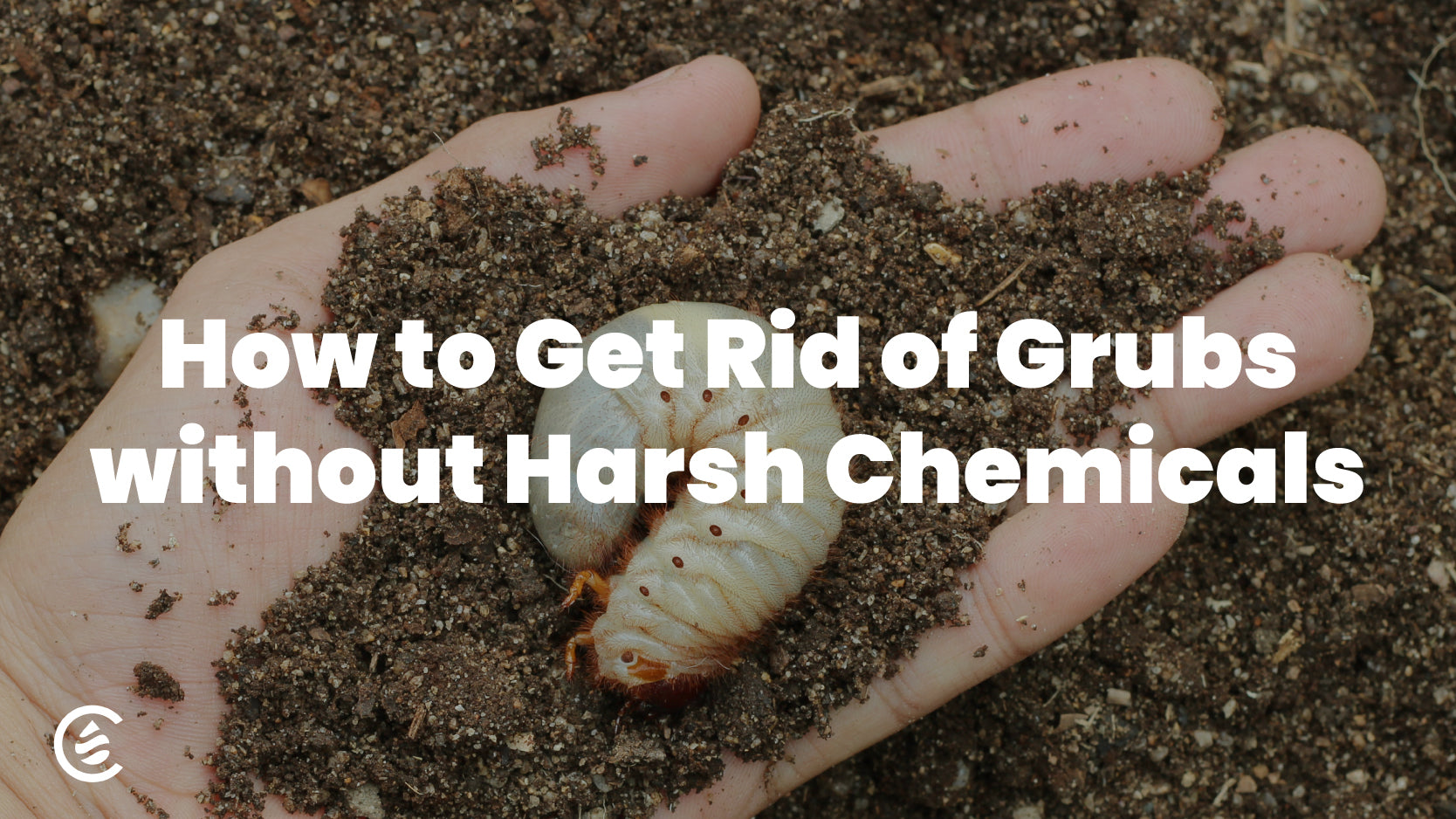
Image Source: cedarcide.com
Identifying Your Grub Problem
Before you can treat, you need to confirm you have grubs and know what kind you’re dealing with. Different grubs have slightly different habits and vulnerabilities.
What Do Lawn Grubs Look Like?
Lawn grubs are the larval stage of several common types of beetles, most notably Japanese beetles, June beetles, and European chafers.
- Appearance: They are typically C-shaped, with soft, plump, white or grayish bodies. They have three pairs of legs near their head and a distinct, darker-colored head.
- Size: Grubs vary in size, from about ¼ inch to over an inch long, depending on the species and their stage of development.
Signs of a Grub Infestation
- Brown Patches: The most common sign is irregular patches of brown, dead grass. These patches may feel spongy because the grubs have eaten the roots holding the turf together.
- Loose Turf: You can often lift entire sections of your lawn like a carpet. If the roots are severed, the sod will pull away easily.
- Increased Animal Activity: Birds, skunks, raccoons, and moles are attracted to lawns with grub infestations because grubs are a food source. You might see digging damage from these animals.
- Visible Grubs: In severe cases, you might find grubs on the surface of the soil, especially after heavy rain.
When to Inspect Your Lawn
The best time to inspect for grubs is in late summer and early fall (August to October) when they are actively feeding and are closer to the surface. However, they can also be found in spring as they emerge to feed before pupating. Gently lift a section of your turf in suspect areas. If you find more than 5-10 grubs per square foot, it’s generally considered an infestation that needs treatment.
The Grub Life Cycle: Targeting for Organic Control
To effectively get rid of lawn grubs organically, it’s crucial to grasp the grub life cycle organic control strategies can leverage. Most grubs spend the majority of their lives underground.
- Adult Beetles Lay Eggs: Adult beetles emerge from the soil, typically in mid to late summer. They mate and then lay eggs just below the soil surface in grassy areas.
- Eggs Hatch: Eggs hatch into tiny, almost invisible grubs within a few weeks.
- Grub Feeding: This is the most damaging stage. Young grubs begin feeding on grass roots, growing larger. They continue feeding through fall, and in colder climates, they burrow deeper into the soil to overwinter.
- Spring Feeding: In early spring, as the soil warms, grubs re-emerge and feed again before pupating.
- Pupation: The grubs form a pupa, a transitional stage where they transform into adult beetles.
- Adult Emergence: Adult beetles emerge from the soil to start the cycle anew.
Organic control methods are most effective when timed to disrupt these stages, particularly the feeding and egg-laying phases.
Natural Grub Remedies and Organic Control Methods
Treating white grubs organically requires a multi-pronged approach, focusing on biological controls, physical barriers, and improving soil health. These are effective organic grub killers.
1. Beneficial Nematodes for Grubs
Beneficial nematodes are microscopic roundworms that are natural predators of grub larvae. They are a highly effective biological control method for grub control without chemicals.
- How They Work: These nematodes seek out grubs in the soil. Once they find a grub, they enter its body through natural openings and release bacteria that kill the grub. The nematodes then feed on the infected grub and reproduce inside it, creating more nematodes to seek out other grubs.
- Types of Nematodes: The most common species used for grub control are Heterorhabditis bacteriophora (Hb nematodes) and Steinernema species (like Steinernema feltiae or Steinernema carpocapsae). Hb nematodes are generally considered more effective against white grubs.
- Application:
- Timing: Apply when soil temperatures are consistently above 55°F (13°C). This is typically late summer to early fall, or early spring, which aligns with grub feeding periods.
- Soil Moisture: Nematodes need moisture to move and survive. Apply to moist soil, or water the lawn thoroughly before and after application.
- Application Method: They usually come as a powder or granular material that you mix with water and apply using a hose-end sprayer or watering can. Ensure even distribution.
- Sunlight: Avoid applying during the hottest part of the day, as UV rays can kill nematodes. Early morning or late evening is best.
- Where to Buy: Look for reputable suppliers of beneficial nematodes online or at garden centers. Ensure the product is fresh and stored correctly.
2. Milky Spore Powder for Grubs
Milky spore powder is a naturally occurring soil bacterium, Paenibacillus popilliae, that specifically targets Japanese beetle grubs. It’s a long-term solution for lawn grub prevention organically.
- How It Works: When grubs ingest the milky spore spores while feeding, the spores germinate inside the grub’s digestive tract. The bacteria then multiply and produce toxins that kill the grub. As the grub decomposes, it releases millions more spores into the soil, creating a lasting population that continues to control grubs for years.
- Effectiveness: Milky spore is most effective against Japanese beetle grubs and may have some effect on other grub species, but it’s not a broad-spectrum grub killer. It takes time to build up a significant population in the soil, so results are not immediate. It can take 2-3 years to become fully effective.
- Application:
- Timing: Apply from spring through early fall when grubs are present and feeding, and soil temperatures are between 65°F and 85°F (18°C and 29°C).
- Application Method: It’s usually applied as a granular powder. You can spread it by hand or with a granular spreader. Apply evenly across the affected lawn area.
- Watering: Water the lawn after application to help the spores settle into the soil.
- Considerations: This is a preventative and long-term solution. If you have an active, severe infestation, you may need to combine milky spore with other, more immediate organic grub remedies.
3. Diatomaceous Earth for Grubs
Diatomaceous earth (DE) is a natural powder made from fossilized aquatic organisms called diatoms. It works physically, not chemically.
- How It Works: DE has sharp, microscopic edges. When grubs crawl over or ingest DE, these edges scratch and abrade their exoskeletons (outer shells). This causes the grubs to dehydrate and die.
- Application:
- Type of DE: Use only “food-grade” diatomaceous earth, which is safe for humans and pets. Avoid “pool-grade” DE, which is chemically treated and dangerous.
- Timing: Apply when the lawn is dry, preferably in the spring or fall when grubs are young and closer to the surface.
- Method: Sprinkle a light, even layer of DE over the affected areas of the lawn. You can use a spreader or sprinkle it by hand.
- Watering: Avoid watering immediately after application, as wet DE is less effective. It needs to stay dry to work. It will need reapplication after rain.
- Limitations: DE is most effective on young grubs and may not be potent enough for larger, more mature grubs. Its effectiveness is also reduced by moisture.
4. Neem Oil for Grubs
Neem oil is derived from the seeds of the neem tree and is a potent natural insecticide, fungicide, and miticide. Neem oil for grubs can be effective as a preventative and a contact killer.
- How It Works: Neem oil contains azadirachtin, a compound that acts as an antifeedant, growth regulator, and repellent to many insects, including grubs. It disrupts their hormonal systems, interfering with their ability to feed and molt.
- Application:
- Type of Neem Oil: Use a cold-pressed neem oil product that is specifically formulated for horticultural use. Look for 100% pure neem oil.
- Timing: Apply in late spring or early summer when adult beetles are laying eggs, or in early fall when young grubs are feeding. It can also be applied in spring before pupation.
- Mixing: Mix the neem oil concentrate with water according to the product’s instructions. Add a small amount of mild liquid soap (like pure castile soap) as an emulsifier to help the oil mix with water.
- Application Method: Apply thoroughly using a hose-end sprayer or a backpack sprayer, ensuring good coverage of the lawn and soil surface.
- Watering: Water the lawn after application to help the neem oil penetrate the soil and reach the grubs.
- Important Notes:
- Sunlight: Avoid applying during the hottest part of the day, as this can scorch your grass. Early morning or late evening is best.
- Beneficial Insects: While generally safer for beneficial insects than chemical pesticides, it’s best to avoid spraying directly on bees or other pollinators.
5. Improving Lawn Health and Soil Condition
A healthy, vigorous lawn is naturally more resistant to grub damage. Focus on building healthy soil and strong grass roots.
- Proper Mowing: Mow at the highest recommended height for your grass type. Taller grass develops deeper roots, making the lawn more resilient to grub feeding.
- Adequate Watering: Water deeply and less frequently. This encourages deep root growth. Avoid shallow, frequent watering, which can encourage surface-feeding pests and weaker root systems.
- Aeration: Aerating your lawn improves soil structure, allows water and nutrients to reach the roots, and can help break up grub egg-laying sites.
- Overseeding: Overseeding with disease-resistant and drought-tolerant grass varieties can help fill in thin or damaged areas caused by grubs, outcompeting them.
- Compost and Organic Matter: Incorporating compost into your soil improves its structure, water retention, and provides essential nutrients, leading to stronger grass.
6. Physical Removal and Trapping
For smaller infestations or as a supplementary method, physical removal can be an option.
- Hand Picking: If you see grubs when digging or lifting turf, simply pick them up and drop them into a bucket of soapy water.
- Traps: While less common for widespread grub infestations, some people use light traps or pheromone traps to attract and capture adult beetles before they lay eggs. This is more of a preventative measure for specific beetle species.
Grub Control Without Chemicals: A Holistic Approach
Getting rid of lawn grubs without chemicals involves patience and a consistent strategy. It’s not just about killing existing grubs, but also about preventing future infestations.
Lawn Grub Prevention Organically
Prevention is key to a healthy, grub-free lawn. Here’s how to do it organically:
- Monitor Adult Beetles: Pay attention to when adult beetles are active in your area (usually mid-summer). This is when they lay eggs.
- Healthy Turf: As mentioned, a robust lawn with deep roots is your first line of defense.
- Watering Wisely: Grubs prefer moist soil for egg-laying and hatching. Avoid overwatering, especially during peak beetle activity.
- Beneficial Insect Attraction: Encourage natural predators like birds, moles (ironically, as they eat grubs but can damage lawns), and predatory insects by creating a diverse and healthy garden ecosystem.
- Annual Nematode Application: Consider applying beneficial nematodes annually in late summer/early fall as a preventative measure, even if you don’t see signs of grubs.
- Milky Spore (Japanese Beetle Specific): If Japanese beetles are your primary concern, start applying milky spore powder early in the season to build up its population for long-term control.
Integrating Organic Grub Killers
Combining several of the methods described above offers the best chance of success.
- Scenario 1: Early Detection (Small Infestation)
- Immediately apply food-grade diatomaceous earth to dry soil.
- Water thoroughly after application, and reapply after rain.
- Follow up with a targeted application of beneficial nematodes in late summer.
- Scenario 2: Moderate to Severe Infestation
- Apply a broad-spectrum organic insecticide like neem oil to the affected areas.
- Water the lawn to help the neem oil penetrate.
- Within a week or two, apply beneficial nematodes, ensuring the soil is moist.
- If Japanese beetles are the primary culprit, begin applying milky spore powder concurrently or after initial treatments for long-term control.
- Scenario 3: Ongoing Prevention
- Regularly apply beneficial nematodes in late summer/early fall.
- Maintain a healthy lawn through proper mowing, watering, and occasional aeration.
- If Japanese beetles are a persistent problem, use milky spore powder annually.
Dealing with Different Grub Species Organically
While many organic methods work on a variety of grub types, some are more specific.
| Grub Species | Primary Organic Controls | Notes |
|---|---|---|
| Japanese Beetle | Milky Spore Powder, Beneficial Nematodes, Neem Oil | Milky spore is highly specific and effective long-term for Japanese beetles. |
| June Beetle/Chafer | Beneficial Nematodes, Neem Oil, Healthy Lawn Practices | These are common and often targeted by nematodes and neem oil. |
| European Chafer | Beneficial Nematodes, Neem Oil, Healthy Lawn Practices | Similar to June beetles, nematodes are very effective. |
| Asiatic Garden Beetle | Beneficial Nematodes, Neem Oil, Healthy Lawn Practices | These grubs can be a problem in some regions; nematodes and neem oil are good options. |
| Black Cutworm | Beneficial Nematodes (some species), Bacillus thuringiensis (Bt) | Cutworms are caterpillars but have grub-like behavior. Bt can be effective, but nemades targeting caterpillars may also work. Focus on preventing adult moths. |
Frequently Asked Questions (FAQ)
Q: How quickly do organic grub treatments work?
A: Organic treatments vary in speed. Beneficial nematodes can start working within days to a couple of weeks as they seek out and kill grubs. Neem oil also acts relatively quickly as a contact killer and growth regulator. Milky spore powder is a long-term solution and takes 2-3 years to build up populations for significant control. Diatomaceous earth works upon contact but is affected by moisture.
Q: Can I use beneficial nematodes and milky spore powder at the same time?
A: Yes, you can often use beneficial nematodes and milky spore powder together. Apply milky spore when soil temperatures are suitable, and then introduce nematodes during their active feeding periods. They target grubs through different mechanisms and can complement each other for comprehensive grub control.
Q: Will beneficial nematodes harm my pets or children?
A: No, beneficial nematodes are microscopic organisms that are completely harmless to humans, pets, birds, and beneficial insects. They are a safe and natural pest control solution.
Q: How often should I apply organic grub treatments?
A: The frequency depends on the product and the severity of the infestation. Beneficial nematodes are typically applied once or twice a year during active grub feeding seasons (late summer/early fall and/or early spring). Milky spore is applied once a year for 3 years to establish a population. Neem oil applications may be needed every few weeks if a severe infestation persists.
Q: My lawn is severely damaged. Can organic methods still help?
A: Yes, organic methods can still help rehabilitate a damaged lawn. While they might not fix the damage instantly, they will stop the grubs from causing further harm. Focus on treating the grubs, then reseed or patch any bare spots with healthy grass seed. Improving soil health with compost will aid in recovery.
Conclusion
Dealing with lawn grubs organically is not only possible but also a responsible choice for the health of your family, pets, and the environment. By employing a combination of beneficial nematodes, neem oil, milky spore powder, diatomaceous earth, and focusing on robust lawn health, you can effectively eliminate grub infestations and prevent future problems. Remember that consistency and timely application are crucial for success. With a little effort and the right organic strategies, you can restore your lawn to its former glory, naturally.