
Can my yard flood? Yes, many yards can flood, especially during heavy rainfall or if there are issues with water flow. This expert guide will help you understand why your yard floods and provide proven methods to stop it. We’ll cover everything from simple fixes to more involved drainage solutions.
Flooding in your yard can be a frustrating and damaging problem. It not only makes your outdoor space unusable but can also lead to serious issues like foundation damage, mold growth, and unhealthy soil. Fortunately, with the right approach, you can effectively manage and eliminate yard flooding. This comprehensive guide will walk you through the causes of yard flooding and present a variety of water management techniques to keep your property dry and healthy.
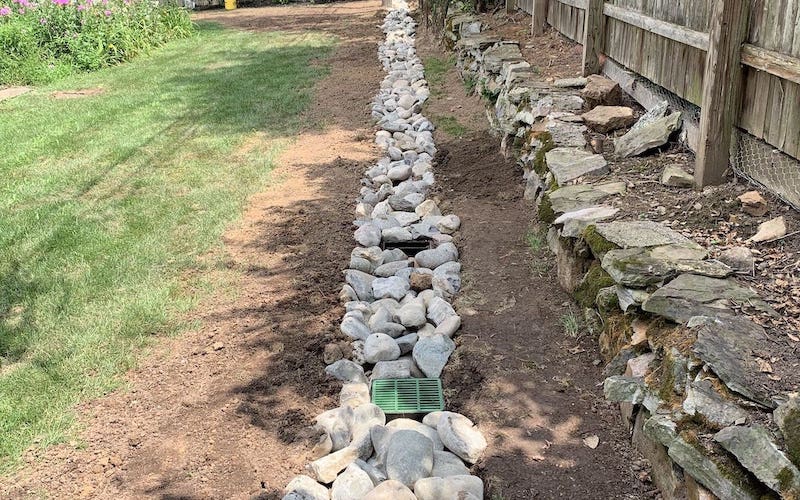
Image Source: hydroscapespa.com
Why Does My Yard Flood? Fathoming the Causes
Before you can fix a flooding problem, you need to know why it’s happening. Several factors can contribute to a waterlogged yard.
Poor Yard Grading
The way your land slopes is crucial for drainage. If your yard slopes towards your house or low spots, water will naturally pool there.
- Lack of Slope: If your yard is flat or slopes the wrong way, water has nowhere to go but to sit.
- Low Spots: Depressions in your lawn act like bowls, collecting rainwater and surface runoff.
- Improperly Sloped Patios/Driveways: Hard surfaces that don’t slope away from your house can direct water into your yard.
Inadequate Drainage Systems
Sometimes, the problem is the lack of, or failure of, existing drainage systems.
- Clogged Gutters and Downspouts: If your gutters are full of leaves and debris, water overflows and can dump directly onto your foundation or into your yard.
- Downspouts Not Extended: If downspouts simply dump water near the foundation, it saturates the soil and can seep into basements or crawl spaces. A downspout extension is often a simple but effective fix.
- Surface Drainage Issues: Lack of proper channels or grading to move surface water away from the property.
Soil Compaction
Hard, compacted soil doesn’t absorb water well. This is common in areas with heavy foot traffic or after construction.
- Heavy Foot Traffic: Walking on wet soil can compact it.
- Construction Activity: Heavy machinery can compress the soil significantly.
- Lack of Aeration: Over time, soil can become compacted naturally.
Impermeable Surfaces
Hard surfaces like concrete driveways, patios, and compacted gravel paths don’t allow water to soak into the ground. This increases surface runoff.
- Large Driveways: Unbroken expanses of concrete or asphalt.
- Extensive Patios: Non-porous patio materials.
High Water Table
In some areas, the natural water table is close to the surface. This means the ground is already saturated, making it more prone to flooding even with moderate rain.
Heavy Rainfall and Snowmelt
Sometimes, the sheer volume of water from a storm or rapid snowmelt can overwhelm even a well-designed drainage system.
Effective Drainage Solutions for Your Yard
Now that you know the common causes, let’s explore the best ways to combat yard flooding. These drainage solutions range from simple DIY fixes to more significant landscaping projects.
1. Improve Yard Grading
Proper grading is fundamental to effective water management. It’s about creating a gentle slope away from your home and directing water to where you want it to go.
The Ideal Slope
- A general rule of thumb is a slope of at least 1 inch per foot for the first 6 to 10 feet away from your foundation.
- The rest of your yard should gently slope towards a drainage area, such as a storm drain, a swale, or a rain garden.
How to Adjust Grading
- Adding Soil: You can build up low spots or areas near your foundation by adding topsoil.
- Leveling: Ensure that your entire yard has a consistent, gentle slope away from structures.
- Professional Grading: For significant issues, a landscape contractor can regrade your entire yard. This is a more involved process but offers the most effective solution for persistent grading problems.
2. Maintain Gutters and Downspouts
Your existing gutter system is your first line of defense against water damage.
Gutter Maintenance
- Regular Cleaning: Clean gutters at least twice a year, or more if you have many trees. Remove leaves, twigs, and other debris.
- Gutter Guards: Consider installing gutter guards to prevent debris from entering the gutters in the first place.
Downspout Management
- Downspout Extensions: Ensure downspouts extend at least 6 feet away from your foundation. Use flexible or rigid extensions as needed.
- Splash Blocks: Place splash blocks under downspouts to further disperse the water and prevent erosion.
- Subsurface Drainage: For more severe issues, you can connect downspouts to underground drainage pipes that carry water away from the house.
3. Install a French Drain
A French drain is a trench filled with gravel containing a perforated pipe. It’s a highly effective drainage solution for collecting and redirecting subsurface water.
How French Drains Work
- Trench: A trench is dug with a slight slope.
- Gravel Base: A layer of gravel is placed at the bottom of the trench.
- Perforated Pipe: A perforated pipe (like PVC or corrugated pipe) is laid in the trench, with the perforations facing down.
- Gravel Fill: The trench is then filled with more gravel, surrounding the pipe.
- Landscape Fabric: Often, landscape fabric is used to line the trench before adding gravel to prevent soil from clogging the system.
- Water Collection: Water seeps through the soil, enters the gravel, flows into the pipe through the perforations, and is carried away to a designated outlet.
When to Use a French Drain
- Wet basements or crawl spaces.
- Waterlogged areas of the yard.
- Areas where surface water needs to be intercepted.
4. Create a Rain Garden
A rain garden is a shallow depression planted with native, water-tolerant plants. It’s a beautiful and sustainable way to manage stormwater runoff.
How Rain Gardens Work
- Location: Choose a low-lying area in your yard that collects water.
- Excavation: Dig a shallow basin, typically 4-8 inches deep, with gently sloping sides.
- Soil Amendment: Improve the soil with compost to help with drainage and plant growth.
- Planting: Select native plants that can tolerate both wet and dry conditions.
- Water Infiltration: Rainwater from surrounding areas flows into the garden, where it is slowly absorbed by the soil and used by the plants. This reduces runoff and filters pollutants.
Benefits of Rain Gardens
- Reduces flooding and erosion.
- Improves water quality by filtering pollutants.
- Provides habitat for local wildlife.
- Enhances the aesthetic appeal of your yard.
- Excellent example of landscaping for drainage.
5. Install a Sump Pump
A sump pump installation is typically used in basements or crawl spaces to remove water that collects in a sump pit. However, it can also be part of a larger yard drainage system.
How Sump Pumps Work
- A sump pit is dug at the lowest point of your yard or foundation.
- Water collects in the pit.
- When the water level reaches a certain point, the sump pump automatically turns on and pumps the water away from your property through an discharge pipe.
When to Consider a Sump Pump
- Persistent flooding in low-lying areas that other methods can’t fully address.
- When you need to actively pump water away from a specific collection point.
6. Utilize Permeable Pavers
Replacing traditional hard surfaces with permeable pavers allows rainwater to soak directly into the ground, significantly reducing surface runoff.
What are Permeable Pavers?
These are specially designed paving materials with gaps or a porous structure that allow water to pass through. They can be made from:
- Interlocking concrete pavers with wider joints filled with gravel.
- Porous asphalt or concrete.
- Plastic grid systems filled with gravel or grass.
Benefits of Permeable Pavers
- Reduces runoff and the risk of yard flooding.
- Recharges groundwater.
- Can help filter pollutants.
- Offers a sustainable and attractive paving option.
- An excellent method for surface water control.
7. Implement Swales and Berms
Swales are shallow, broad channels that gently guide water across your landscape. Berms are raised mounds of earth that can direct water flow.
Swales
- Purpose: To slow down and direct surface water runoff, often towards a rain garden or drainage outlet.
- Design: They should have a very gentle slope and can be planted with grass or ground cover.
Berms
- Purpose: To redirect water away from specific areas, like your house foundation.
- Design: They act as natural barriers, forcing water to flow around them.
8. Aerate Your Soil
Improving soil health can significantly enhance its ability to absorb water.
Aeration Process
- Core Aeration: A machine removes small plugs of soil from the lawn.
- Benefits: This creates air pockets, allowing water, nutrients, and air to penetrate the soil more easily.
- Frequency: Aerate your lawn once a year, especially if you have compacted soil.
9. Regrade Your Landscaping
Consider how your plants and garden beds affect drainage.
- Raised Beds: Building raised garden beds can help prevent water from pooling around sensitive plants.
- Plant Selection: Choose plants that thrive in moist conditions for areas prone to collecting water. Conversely, use plants that tolerate dry conditions in areas that drain well.
- Mulching: Proper mulching helps retain soil moisture and can prevent surface erosion.
A Step-by-Step Approach to Fixing Your Flooding Yard
Tackling yard flooding can seem overwhelming, but breaking it down into manageable steps makes it easier.
Step 1: Assess the Problem
- Observe: Note exactly where the water pools, when it happens (heavy rain, snowmelt), and how long it takes to drain.
- Identify Sources: Where is the water coming from? (Rainfall, uphill neighbors, overflowing downspouts).
- Check Existing Systems: Inspect gutters, downspouts, and any existing drains for blockages or damage.
Step 2: Prioritize Solutions
- Immediate Fixes: Start with simple tasks like clearing gutters and extending downspouts.
- Grading: If grading is the main issue, consider this as a primary solution.
- Drainage Systems: For more complex problems, evaluate French drains, rain gardens, or sump pumps.
- Hardscaping: If impermeable surfaces are a major contributor, look into permeable options.
Step 3: Plan and Design
- Sketch Your Yard: Draw a simple map of your property, indicating problem areas and potential drainage routes.
- Consult Experts: If you’re unsure about grading or installing drainage systems, consult a landscape architect, drainage specialist, or experienced contractor.
- Local Regulations: Check with your local municipality for any permits or regulations regarding drainage work.
Step 4: Implement the Solutions
- DIY vs. Professional: Decide which tasks you can handle yourself and which require professional help.
- Phased Approach: You might not need to do everything at once. Implement solutions in phases based on your budget and the severity of the problem.
Step 5: Monitor and Maintain
- Regular Inspections: Periodically check your drainage systems for blockages or damage.
- Seasonal Cleanup: Keep gutters clean and ensure downspout extensions are clear.
- Observe Performance: After implementing solutions, continue to observe how your yard handles rainfall to ensure the fixes are effective.
Table: Common Yard Flooding Problems and Solutions
| Problem | Cause | Recommended Solutions |
|---|---|---|
| Water pooling near house | Poor yard grading, clogged gutters, downspouts dumping water close. | Regrade yard away from the house, extend downspouts at least 6 ft, clean gutters, install French drains along foundation. |
| Entire yard is soggy | Low-lying areas, poor soil drainage, high water table, compacted soil. | Install a French drain system, create a rain garden in a low spot, aerate the soil, improve soil with compost, consider a sump pump installation if water collection is significant. |
| Water runs off hard surfaces | Driveways, patios directing water to the yard. | Install permeable pavers for new or replacement surfaces, create swales to intercept runoff, ensure hard surfaces slope away from the house. |
| Erosion in yard | Fast-moving surface water, lack of ground cover. | Implement landscaping for drainage with swales and berms, plant ground cover or grass in bare areas, use mulch to protect soil, install French drains to slow water. |
| Basement flooding | Water seeping through foundation, groundwater issues. | Ensure proper yard grading away from the foundation, install a footing drain around the foundation (interior or exterior), ensure downspouts are extended far away, consider a sump pump installation. |
| Waterlogged garden beds | Poor soil, planting in a natural low spot. | Amend soil with compost, build raised garden beds, select water-tolerant plants for these areas, install small French drains around beds if needed. |
Frequently Asked Questions (FAQ)
Q1: How much slope do I need to prevent flooding?
A1: For most yards, a slope of at least 1 inch per foot for the first 6 to 10 feet away from your foundation is recommended. The rest of your yard should have a gentle, consistent slope towards a drainage area.
Q2: Can I fix yard flooding myself?
A2: Many common flooding issues can be fixed with DIY solutions like cleaning gutters, extending downspouts, and minor grading adjustments. More complex problems, such as installing a French drain or extensive regrading, may require professional assistance.
Q3: What is the best drainage solution for my yard?
A3: The “best” solution depends on the specific cause of your flooding. A combination of methods is often most effective. For instance, improving yard grading and ensuring proper downspout extension are fundamental. If you have persistent low spots, a rain garden or French drain might be ideal.
Q4: How much does it cost to fix a flooding yard?
A4: Costs can vary significantly. Simple DIY fixes like gutter cleaning might cost very little. Extending downspouts can cost between $50-$200. Installing a French drain can range from $1,000 to $5,000 or more depending on the size and complexity. Rain garden installation can range from a few hundred to a few thousand dollars depending on size and plant choices. Sump pump installation typically costs between $500 and $1,500. Professional regrading can cost several thousand dollars.
Q5: Will planting trees help with yard flooding?
A5: While trees do absorb water through their roots, they are generally not a primary solution for significant yard flooding. Their impact is limited compared to proper grading and drainage systems. However, planting trees in appropriate locations can contribute to overall water management and soil health.
Q6: What are permeable pavers, and are they effective?
A6: Permeable pavers are paving materials with spaces that allow water to pass through into the ground below. They are highly effective at reducing surface water runoff and are an excellent option for driveways, patios, and walkways where traditional hard surfaces contribute to flooding.
By following this expert guide and implementing the right drainage solutions, you can transform your perpetually wet yard into a dry, healthy, and enjoyable space. Effective water management is key to protecting your home and improving your outdoor living.