
How often should you mow your lawn in the summer? The general rule is to mow your lawn weekly during the peak summer growth period, but this can vary based on grass type, weather, and fertilization. Understanding the right lawn mowing frequency is key to a healthy, vibrant summer lawn.
Summer is a prime time for outdoor living, and a lush green lawn is often the centerpiece of backyard enjoyment. However, the heat and potential dryness of summer can also stress your grass. Striking the right balance with your summer lawn care routine, especially lawn mowing frequency, is crucial for maintaining its health and appearance. This guide will delve into all aspects of how often to mow your lawn in summer, offering practical advice for a beautiful yard.
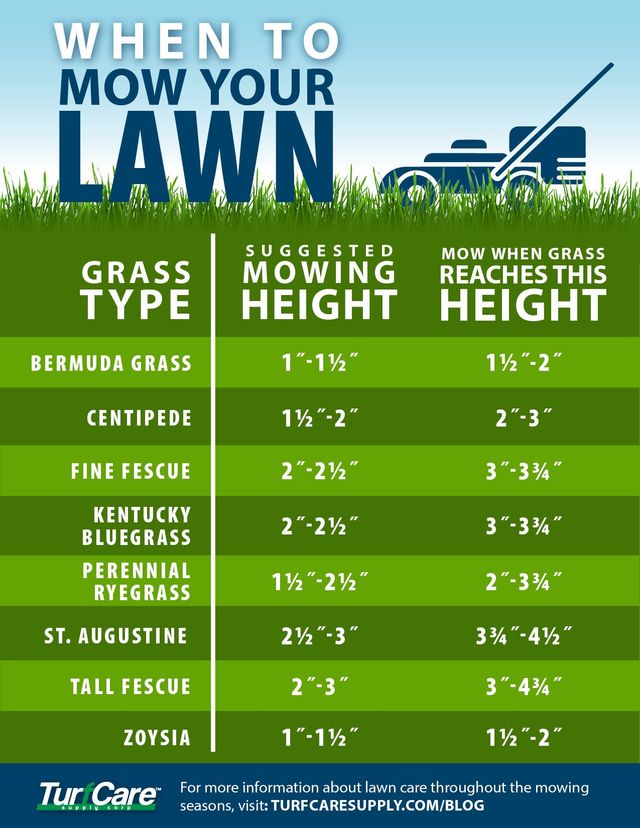
Image Source: lirp.cdn-website.com
Deciphering Summer Lawn Growth Patterns
The rate at which your grass grows is the primary determinant of lawn mowing frequency. In summer, particularly during periods of consistent moisture and adequate sunlight, grass can experience a significant growth rate. This rapid growth means that if you stick to a rigid weekly mowing schedule, you might be cutting off more than you should. Conversely, prolonged dry spells can significantly slow down growth, making frequent mowing unnecessary and even harmful.
Factors Influencing Growth Rate
Several factors influence how quickly your grass grows:
- Temperature: Different grass types thrive in specific temperature ranges.
- Moisture: Adequate water is essential for photosynthesis and growth.
- Sunlight: Grass needs sunlight for energy production.
- Nutrients: Proper fertilization fuels healthy growth.
- Grass Type: As we’ll discuss later, cool season grass and warm season grass have distinct growth patterns.
Tailoring Your Mowing Schedule to Your Grass Type
The most critical piece of information for determining how often to mow lawn in summer is the type of grass you have. Your lawn isn’t just one generic entity; it’s a specific type of turfgrass, and each has unique needs.
Cool Season Grasses
Cool season grass varieties, such as Kentucky bluegrass, fescues, and ryegrass, are typically found in northern climates. These grasses prefer cooler temperatures and can experience a slowdown in growth during the peak heat of summer, especially if they don’t receive enough water.
- Summer Growth Pattern: While they may not grow as vigorously as in spring and fall, they still grow. The key is to avoid stressing them during hot, dry periods.
- When to Mow: Aim for a mowing frequency that maintains the one-third rule (never remove more than one-third of the grass blade in a single mowing). This often translates to mowing every 7-10 days during cooler summer weeks and potentially extending to 10-14 days during extreme heat and drought.
- Ideal Grass Height: Keeping cool season grass slightly taller in summer (around 3-4 inches) helps shade the soil, retain moisture, and protect the crowns from direct sun.
Warm Season Grasses
Warm season grass types, like Bermudagrass, Zoysiagrass, centipedegrass, and St. Augustinegrass, are prevalent in southern regions. These grasses thrive in heat and will actively grow throughout the summer months.
- Summer Growth Pattern: Expect vigorous growth from warm season grass when temperatures are consistently warm and there’s sufficient moisture. This means you’ll likely need to mow more frequently.
- When to Mow: During peak growth, warm season grass might require mowing every 4-7 days to maintain the desired grass height and adhere to the one-third rule.
- Ideal Grass Height: The ideal height for most warm season grass in summer is around 1-3 inches, depending on the specific variety. Shorter heights are common for aesthetic turfgrass like Bermudagrass, while others like St. Augustine can tolerate slightly taller growth.
The Golden Rule: The One-Third Rule
No matter your grass type or the season, the “one-third rule” is a fundamental principle of proper mowing. This rule states that you should never remove more than one-third of the grass blade’s total length in a single mowing.
Why the One-Third Rule Matters
- Reduces Stress: Cutting off too much at once shocks the grass, forcing it to expend valuable energy on recovery rather than healthy growth.
- Prevents Weakening: Over-mowing can lead to shallow root development and a weaker plant overall, making it more susceptible to disease, pests, and drought.
- Promotes Density: By encouraging upright growth, adhering to the one-third rule helps create a thicker, more uniform lawn.
Applying the One-Third Rule in Summer
During periods of rapid summer growth, you might find yourself mowing more often. If your grass is growing quickly and you’re mowing weekly, you’re likely adhering to the rule. However, if you go away for a week or experience a dry spell, your grass might grow significantly. When you resume mowing, you may need to mow twice: once to cut off the excess, wait a day or two for the grass to recover slightly, and then mow again to reach the desired height. This is a more sustainable approach than cutting off a large portion at once.
Best Time to Mow Lawn In Summer
Timing your mowing sessions correctly is another crucial aspect of summer lawn care. Mowing at the wrong time can also stress your grass.
Morning Mowing: The Ideal Choice
The best time to mow your lawn in summer is generally in the morning, after the dew has dried but before the heat of the day sets in.
- Benefits of Morning Mowing:
- Less Stress: The grass has the rest of the day to recover from the cutting before the extreme heat.
- Cleaner Cut: Dry grass blades cut more cleanly, reducing the risk of tearing, which can lead to browning and disease.
- Pest Avoidance: You’re less likely to encounter insects like mosquitoes or ticks during the cooler morning hours.
Avoiding Midday Mowing
Mowing during the hottest part of the day (typically 10 am to 4 pm) should be avoided, especially during heatwaves.
- Why Avoid Midday Mowing:
- Increased Stress: The grass is already struggling with heat and water loss; mowing further stresses it.
- Dulling Blades: Dry, tough grass can dull your mower blades more quickly.
- Heat Exhaustion: For you, the mower, and the grass, midday heat is the least forgiving.
Evening Mowing Considerations
Mowing in the evening can also be an option, but it comes with a few caveats.
- Pros of Evening Mowing:
- Cooler Temperatures: Mowing after the peak heat has passed is better than midday.
- Cons of Evening Mowing:
- Moisture Retention: If grass clippings or remaining wet grass blades are left overnight, they can create a damp environment that promotes fungal diseases.
- Pest Activity: Many nocturnal insects become active at dusk.
Determining Optimal Grass Height for Summer
Grass height is more than just aesthetics; it plays a vital role in the overall health of your lawn, especially during the summer months. As mentioned earlier, keeping your grass slightly taller during summer offers several benefits.
Benefits of Taller Summer Grass
- Shade the Soil: Longer blades provide shade for the soil surface, reducing evaporation and helping to keep the root zone cooler.
- Weed Suppression: A dense, taller turf canopy crowds out weeds, preventing them from germinating and establishing.
- Drought Tolerance: Taller grass encourages deeper root growth, which allows the plant to access moisture from deeper soil layers during dry periods.
- Pest and Disease Resistance: Healthy, well-established grass that isn’t stressed is generally more resistant to common lawn pests and diseases.
Recommended Summer Heights
- Cool Season Grasses: Aim for 3-4 inches.
- Warm Season Grasses: Typically 1-3 inches, depending on the variety. Always check the specific recommendations for your grass type.
Maintaining a Consistent Mowing Schedule: How Often to Mow Lawn in Summer
The core of effective summer lawn care is a consistent mowing schedule that adapts to your lawn’s growth.
Calculating Your Mowing Frequency
To determine your lawn mowing frequency, observe your lawn’s growth rate. A good way to do this is to mark a few grass blades with a non-toxic marker at your desired mowing height. Check them every couple of days. When the grass has grown about one-third of your desired height, it’s time to mow.
Example Calculation:
- Desired grass height: 3 inches
- One-third of desired height: 1 inch
- Mow when the grass has grown 1 inch from its last cut (reaching 4 inches total height).
If your grass grows 1 inch in 5 days, your mowing schedule would be every 5 days. If it takes 10 days to grow that inch, you mow every 10 days.
Factors Affecting Your Mowing Schedule
- Recent Rainfall: If you’ve had recent rain and moderate temperatures, expect more frequent mowing.
- Fertilization: If you’ve recently fertilized your lawn, growth will likely accelerate, requiring a more frequent mowing schedule.
- Aeration: After aeration, grass may grow more vigorously as it recovers.
Essential Lawn Maintenance Tips for Summer
Beyond just lawn mowing frequency, several other lawn maintenance tips contribute to a healthy summer lawn.
Mower Blade Sharpness
Sharp mower blades are paramount. Dull blades tear grass, leaving ragged edges that are prone to browning, disease, and moisture loss.
- Sharpening Frequency: Aim to sharpen your mower blades at least once per season, and more often if you have a large lawn or encounter sandy soil.
- Signs of Dull Blades: Shredded or torn grass tips that look brown or yellow.
Grass Clipping Management
Deciding what to do with grass clippings is a common question in summer lawn care.
- Mulching (Leave Clippings): When you follow the one-third rule, grass clippings are small enough to decompose quickly, returning valuable nutrients and moisture to the soil. This is generally the preferred method.
- Bagging (Remove Clippings): If you miss a mowing cycle and clippings are too long, or if your grass is diseased, bagging them can prevent the spread of disease and avoid clumping. However, you’ll be removing nutrients.
Watering Wisely
Proper watering is critical, especially during dry summer spells.
- Deep and Infrequent Watering: Water your lawn deeply (about 1 inch per week, including rainfall) but less often. This encourages deep root growth.
- Best Time to Water: Early morning is ideal to allow foliage to dry before nightfall, minimizing disease risk.
- Avoid Overwatering: Too much water can also be detrimental, leading to shallow roots and increased disease potential.
Fertilization in Summer
Fertilizing cool season grass in summer can be risky due to the potential for heat stress.
- Cool Season Grasses: Avoid heavy nitrogen fertilization during hot summer months. If you must fertilize, use a slow-release formula and water it in well.
- Warm Season Grasses: These grasses benefit from fertilization during their active growing season (summer). Follow product instructions carefully.
Dealing with Pests and Diseases
Summertime can bring increased activity from lawn pests and diseases.
- Identify the Problem: Properly diagnose any issues before applying treatments.
- Integrated Pest Management (IPM): Prioritize cultural practices (like proper mowing, watering, and fertilizing) that promote healthy turf and make it more resistant to pests and diseases.
Adjusting Your Mowing Schedule for Summer Conditions
Summer lawn care is not static. You must be adaptable.
Heat Waves and Droughts
During extreme heat or drought, it’s often best to:
- Reduce Mowing Frequency: Let the grass grow slightly taller.
- Raise Mower Deck: Increase your grass height to provide more shade and retain moisture.
- Avoid Mowing Dry Grass: If the lawn is stressed and brown due to drought, hold off on mowing until conditions improve and the grass recovers.
Extended Wet Periods
Conversely, if you experience prolonged periods of rain and cooler temperatures, your grass might grow faster than usual.
- Increase Mowing Frequency: You might need to mow more often to keep up with the accelerated growth rate.
- Ensure Proper Drainage: If your lawn stays waterlogged, consider improving drainage to prevent root rot.
Common Summer Lawn Care Questions
FAQ: How Often To Mow Lawn In Summer
Q1: How often should I mow my lawn in the summer?
A: Generally, mow weekly during active growth periods, but adjust based on your grass type, weather, and the one-third rule. Cool season grass might need mowing every 7-14 days, while warm season grass may require mowing every 4-7 days in peak summer.
Q2: What is the best time to mow my lawn in summer?
A: The best time to mow is in the morning after the dew has dried but before the hottest part of the day.
Q3: Is it bad to mow my lawn every day in summer?
A: Mowing every day is generally not recommended and can severely stress your lawn. It likely violates the one-third rule and removes too much foliage, weakening the grass.
Q4: Can I mow my lawn when it’s hot?
A: It’s best to avoid mowing during the hottest part of the day. If you must mow, do it in the cooler morning hours. Never mow dormant or drought-stressed grass.
Q5: How tall should my grass be in summer?
A: For cool season grass, aim for 3-4 inches. For warm season grass, typically 1-3 inches, depending on the variety. Taller grass helps shade the soil and retain moisture.
Q6: What are the most important summer lawn maintenance tips?
A: Key lawn maintenance tips include sharpening mower blades, adhering to the one-third rule, watering deeply and infrequently, and adjusting your mowing schedule based on weather and growth rates.
Q7: Should I leave grass clippings on the lawn in summer?
A: Yes, if you’re following the one-third rule, leaving the finely cut clippings to mulch back into the lawn is beneficial for returning nutrients and moisture.
Q8: My grass is turning brown. Should I mow it?
A: If your grass is brown due to drought or dormancy, do not mow it. Mowing stressed grass will only exacerbate the problem. Wait until the grass begins to recover and shows signs of greening before mowing, and do so at a higher setting.
By following these guidelines and paying close attention to your lawn’s specific needs, you can navigate the challenges of summer and maintain a beautiful, healthy yard. Remember, consistent observation and adaptation are the hallmarks of successful summer lawn care.