
How often should you replace lawn mower blades? You should replace lawn mower blades when they become significantly dull, bent, or damaged, typically after 25-50 hours of mowing, or at least once a year for most homeowners, depending on usage and grass type. Keeping your lawn mower blades in good condition is key to a healthy, beautiful lawn. Dull blades tear grass, leaving it susceptible to disease and a ragged appearance.
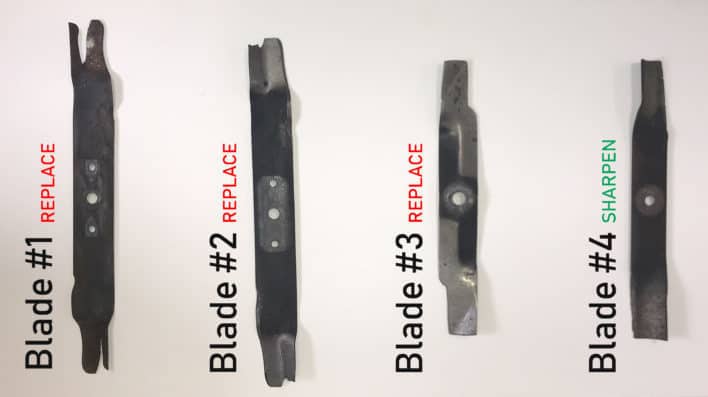
Image Source: minnesotaequipment.com
Identifying Signs of Dull Mower Blades
Knowing how to tell if mower blades need replacing is crucial for effective lawn care. Dull blades don’t cut grass cleanly; they tear it. This is a major contributor to poor lawn health.
Visual Cues on Your Lawn
- Ragged Edges: Look closely at the tips of your grass blades after mowing. If they appear torn, frayed, or have brown tips, your mower blades are likely dull. Clean cuts leave grass looking sharp and healthy.
- Yellowing or Browning: Torn grass bleeds moisture, making it susceptible to drying out. This can lead to widespread yellowing or browning of your lawn, even if you’re watering correctly.
- Uneven Cutting: If you notice streaky patches or an inconsistent cut height across your lawn, it’s a strong indicator of unbalanced or dull blades.
Physical Inspection of the Blades
- Blunt Edges: The most direct way to assess lawn mower blade sharpness is to physically examine them. Run your finger (carefully, with gloves!) along the cutting edge. If the edge feels rounded rather than sharp, it’s time for attention.
- Nicks and Chips: Look for any nicks, chips, or divots along the cutting edge. These imperfections disrupt the cutting action and can cause unevenness.
- Bent or Warped Blades: Hitting rocks, roots, or other hard objects can bend or warp your mower blades. A bent blade can cause severe vibration and uneven cutting, and it’s a safety hazard.
The Importance of Sharp Mower Blades
Maintaining sharp lawn mower blade sharpness isn’t just about aesthetics; it’s about the health of your grass.
Promoting Healthy Grass Growth
Sharp blades make a clean cut. This clean cut allows the grass blade to heal quickly. The grass then seals over the wound, preventing entry for diseases and pests.
Preventing Lawn Diseases
When mower blades are dull, they tear the grass. This tearing creates ragged edges that are open wounds. These open wounds are perfect entry points for fungi and other diseases. A healthy lawn starts with healthy grass, and healthy grass starts with a clean cut.
Enhancing Mower Performance
Sharp blades require less engine power to cut through grass. This means your mower will run more efficiently, use less fuel, and potentially last longer. Mowing with dull blades puts extra strain on the engine, which can lead to overheating and premature wear.
How Often Should You Replace Lawn Mower Blades? Frequency of Mower Blade Replacement
The frequency of mower blade replacement varies greatly depending on several factors. There isn’t a one-size-fits-all answer, but we can establish general guidelines.
Factors Influencing Blade Lifespan
- Mowing Hours: The most direct indicator is usage time. Most manufacturers suggest replacing or sharpening blades after 25-50 hours of operation.
- Grass Type: Cutting tough, thick grasses like fescue or some types of ornamental grasses will dull blades faster than cutting softer grasses like ryegrass or bluegrass.
- Terrain and Obstacles: Lawns with hidden rocks, tree roots, or sandy soil will cause more wear and tear on blades. Frequent encounters with obstacles will necessitate more frequent checks and potential replacement.
- Mowing Practices: Cutting grass too short or mowing wet grass can put more stress on blades and lead to faster dulling.
- Blade Material and Quality: Higher quality steel blades tend to hold their edge longer than cheaper, softer metal blades.
General Replacement Schedule
For the average homeowner who mows a typical suburban lawn:
- Annual Replacement: Replacing your mower blades once a year, usually in the spring before the main mowing season begins, is a good proactive measure. This ensures you start the season with optimal cutting performance.
- More Frequent if Heavily Used: If you have a large property, mow frequently, or have particularly tough grass, you might need to replace blades more often, perhaps twice a year or even more if you encounter many obstacles.
When to Sharpen Mower Blades vs. Replace Them
Many homeowners wonder when to sharpen mower blades versus when it’s time for a full replacement. Sharpening is a viable option for blades that are still in good structural condition.
The Case for Sharpening
- Slightly Dull Blades: If your blades are slightly dull but not chipped, bent, or excessively worn, sharpening can restore their cutting edge.
- Cost-Effective: Sharpening is significantly cheaper than buying new blades.
- Environmental Benefit: Sharpening extends the life of your existing blades, reducing waste.
When Sharpening Isn’t Enough
- Significant Wear: If the cutting edge has worn down considerably or the blade has become significantly thinner due to repeated sharpening, its structural integrity is compromised.
- Damage: Blades that are bent, warped, or have deep nicks and chips cannot be effectively restored by sharpening alone. Attempting to sharpen a bent blade can even be dangerous.
- Cracked or Fractured Blades: Any sign of cracking or fracture means the blade must be replaced immediately for safety reasons.
Signs You Need to Replace, Not Just Sharpen
- Blade Thinning: After multiple sharpenings, the blade metal will wear away. If the blade appears noticeably thinner than it once was, it’s time for a new one.
- Excessive Nicks/Chips: If sharpening cannot remove all the imperfections without removing too much material, replacement is the better option.
- Bent or Twisted Blades: These cannot be straightened safely or effectively.
Lawn Mower Blade Maintenance: Best Practices
Proper lawn mower blade maintenance goes beyond just knowing when to replace them. It involves regular care to maximize their lifespan and performance.
Regular Cleaning
- After Each Use: After mowing, turn off the mower and disconnect the spark plug wire for safety. Use a stiff brush or compressed air to remove grass clippings and debris from the blades and deck. This prevents buildup that can corrode the metal.
- Avoid Water Blasts: While a hose can be used for stubborn dirt, avoid high-pressure water directed at the engine or bearings, as this can force water into sensitive areas.
Inspection Schedule
- Monthly: During the mowing season, it’s a good idea to give your blades a quick visual inspection once a month for any obvious damage.
- Annually: At least once a year, perform a more thorough inspection. This is a good time to assess lawn mower blade wear and decide if replacement or sharpening is needed.
Balancing Blades
- Crucial for Smooth Operation: If you remove blades for sharpening, it’s vital to rebalance them. Imbalanced blades cause vibrations that can damage your mower’s engine and bearings, and create an uneven cut.
- Using a Balancer: A simple blade balancer tool can be purchased to check and correct the balance. Remove a small amount of metal from the heavier side to achieve balance.
Signs of Dull Mower Blades: A Deeper Dive
Let’s elaborate on how to spot the tell-tale signs that indicate it’s time to address your mower blades.
Examining the Grass
- The “Torn” Look: When you mow, the grass should look cleanly cut, like snipped threads. Dull blades mash the grass, leaving the tips frayed and shredded. Over time, these frayed tips turn brown.
- Wilting Appearance: Grass cut with dull blades loses moisture more rapidly. This can cause the lawn to look stressed and wilted, especially in hot weather, even with adequate watering.
- Diagonal Cut Marks: Sometimes, dull blades can leave subtle diagonal marks on the lawn, indicating they are dragging rather than cutting.
Blade Inspection Tips
- Safety First: Always disconnect the spark plug wire before inspecting or removing blades. Wear sturdy gloves to protect your hands.
- Feel the Edge: Gently slide your gloved finger along the cutting edge. A sharp blade will feel like a crisp edge. A dull blade will feel rounded and smooth.
- Look for Wear: Pay attention to the thickness of the metal along the cutting edge. If the edge appears to have worn down significantly, it’s losing its effectiveness.
- Damage Assessment: Look for any bends, cracks, or significant chips. A single deep nick can compromise the entire cut.
Lawn Mower Blade Wear: What to Expect
Lawn mower blade wear is a natural process that occurs with use. Understanding this wear helps you anticipate when maintenance is needed.
Types of Wear
- Edge Erosion: The constant friction with grass, soil, and small debris grinds down the cutting edge, making it less sharp.
- Impact Damage: Hitting small stones or twigs can cause chips, nicks, and even bends in the blade.
- Corrosion: If blades are left wet or are exposed to the elements without proper cleaning, rust can form, which can degrade the metal and affect sharpness.
Lifespan Expectations
The lawn mower blade lifespan is not fixed. A blade might last for several years of light use, while another might need replacement within a single season of heavy or harsh use.
Table: Typical Lawn Mower Blade Lifespan Estimates
| Usage Factor | Estimated Lifespan (Mowing Hours) | Notes |
|---|---|---|
| Light Residential | 50-100+ hours | Small lawns, infrequent mowing, mostly soft grasses, few obstacles. |
| Moderate Residential | 25-50 hours | Average-sized lawns, regular mowing, mixed grass types, occasional small debris. |
| Heavy Residential/Pro | 15-25 hours | Large properties, frequent mowing, tough grasses, frequent encounters with debris. |
Note: These are estimates. Always inspect your blades for signs of wear and damage.
Mowing with Dull Blades: The Consequences
Mowing with dull blades might seem like a minor inconvenience, but it has significant negative impacts on your lawn and mower.
Impact on Grass Health
As mentioned, torn grass is more prone to disease, pest infestation, and dehydration. Over time, this can lead to a thinner, weaker lawn that is less resilient.
Increased Mower Strain
- Engine Overload: Dull blades require more torque to spin and cut. This forces the engine to work harder, increasing fuel consumption and engine wear.
- Component Stress: The added vibration from unbalanced or dull blades can put stress on the mower deck, spindle, and even the engine mounting. This can lead to premature failure of these components.
Inconsistent Cut Quality
The aesthetic of your lawn suffers dramatically. You’ll see the torn, brown tips, uneven patches, and generally a less manicured appearance, no matter how often you mow.
Best Time to Replace Mower Blades
The best time to replace mower blades is strategically planned to coincide with periods of optimal lawn care.
Before the Growing Season
Replacing your blades in early spring before the main mowing season kicks off is highly recommended. This ensures your mower is ready to perform at its best from the first cut, setting the stage for a healthy growing season.
After Hitting an Obstacle
If you accidentally hit a large rock, root, or other solid object, stop mowing immediately. Inspect your blades. If you notice any damage, it’s the best time to replace them, rather than risk further damage or a poor cut.
During Routine Maintenance
When you perform your annual or bi-annual deep cleaning and servicing of your mower, it’s the perfect opportunity to check your blades. If they show significant wear or damage, swap them out then.
DIY vs. Professional Blade Replacement/Sharpening
Deciding whether to tackle blade maintenance yourself or hire a professional depends on your comfort level and available tools.
DIY Blade Maintenance
Pros:
* Cost Savings: You save on labor costs.
* Convenience: You can do it on your own schedule.
* Learning Opportunity: You gain valuable skills in mower upkeep.
Cons:
* Requires Tools: You’ll need wrenches, possibly a blade removal tool, a file or grinder, and a balancer.
* Safety Risk: Improper handling or installation can be dangerous.
* Can Be Time-Consuming: Sharpening and balancing can take time and patience.
* Risk of Over-Sharpening: Removing too much metal can reduce blade lifespan or weaken it.
Professional Blade Services
Pros:
* Expertise: Professionals have the right tools and knowledge for a perfect sharpening and balance.
* Safety: They handle the process safely.
* Time Savings: You can drop off your blades and pick them up, or have a service center do it during routine maintenance.
Cons:
* Cost: You’ll pay for the service.
* Scheduling: You might need to schedule an appointment or wait for service.
Frequently Asked Questions (FAQ)
How often should I sharpen my lawn mower blades?
You should sharpen your lawn mower blades when you notice signs of dullness, such as torn grass tips or an uneven cut. For most homeowners, this means sharpening them once or twice a year, or every 25-50 hours of mowing.
Can I sharpen lawn mower blades myself?
Yes, you can sharpen lawn mower blades yourself using a file, bench grinder, or sharpening stone. However, it’s crucial to do it correctly and rebalance the blades afterward to prevent vibration.
What happens if I don’t replace dull mower blades?
Mowing with dull blades will tear your grass, making it susceptible to diseases, pests, and browning. It also puts extra strain on your mower’s engine and can lead to a less even and attractive lawn.
How do I know if my mower blades are worn out?
If your blades are significantly thinned from repeated sharpening, have deep nicks or chips that cannot be removed without compromising the blade, or are bent or warped, they are worn out and need replacement.
Is it better to sharpen or replace mower blades?
It’s generally better to replace blades if they are significantly damaged, excessively worn, or have been sharpened too many times that they are thin. Sharpening is a good option for blades that are only slightly dull and in good structural condition.
What’s the best way to clean lawn mower blades?
Always disconnect the spark plug wire first. Use a stiff brush or putty knife to scrape off grass and debris. A damp cloth or hose can be used for tougher buildup, but avoid spraying water directly into the engine or bearings.
By following this guide and paying attention to the signs your mower and lawn are giving you, you can ensure your lawn mower blades are always in top condition, leading to a healthier, more beautiful lawn and a more efficient mowing experience.