
When you spread fertilizer on your lawn, you often wonder: How long does it take lawn fertilizer to work? Generally, you can expect to see initial signs of improvement within a few days to a week after application, with full benefits appearing over several weeks.
Nurturing a vibrant, green lawn is a goal for many homeowners. You’ve spent time and money selecting the right fertilizer, applied it correctly, and now you’re eager to see the results. But patience is key in lawn care. The speed at which your lawn responds to fertilizer depends on several factors, each playing a crucial role in fertilizer activation time and the overall lawn fertilizer effectiveness.
This in-depth guide will explore what influences how quickly fertilizer works, what to expect, and how to maximize its benefits. We’ll delve into the science behind fertilizer absorption time and discuss the typical fertilizer response time you can anticipate.
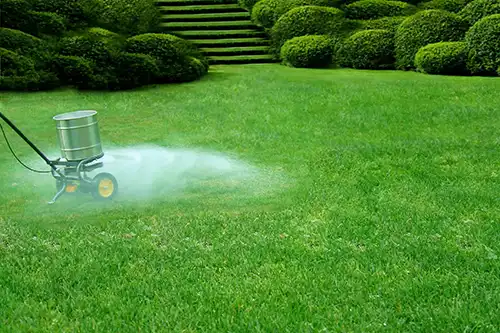
Image Source: www.flapest.com
Factors Influencing Fertilizer Speed
Several elements dictate how fast does fertilizer work. It’s not just about the type of fertilizer; environmental conditions and the health of your grass also play significant roles.
Type of Fertilizer
The formulation of your fertilizer is a primary determinant of its speed. Fertilizers are broadly categorized into two main types:
Quick-Release Fertilizers
- Characteristics: These fertilizers contain nitrogen in a form that is readily available to the grass roots. They dissolve quickly in water.
- Speed of Action: They are designed for rapid greening and immediate nutrient delivery. You can often see a noticeable difference in color within 24 to 72 hours.
- Pros: Excellent for a quick “pick-me-up” and for correcting nutrient deficiencies rapidly.
- Cons: Can lead to a surge of growth that may require more frequent mowing. There’s also a higher risk of burning the lawn if over-applied or applied during hot, dry weather.
Slow-Release Fertilizers
- Characteristics: These fertilizers release nutrients gradually over a period of weeks or months. This is often achieved through coated granules (e.g., sulfur-coated urea, polymer-coated fertilizers) or by using organic nitrogen sources that need to be broken down by soil microbes.
- Speed of Action: They provide a more sustained feeding for the lawn, promoting steady growth rather than a sudden burst. Visible effects typically start to appear within 1 to 3 weeks, with the full impact developing over 6 to 8 weeks or more.
- Pros: Reduces the risk of fertilizer burn, provides longer-lasting nutrition, and encourages more consistent lawn growth after fertilizing. Fewer applications are generally needed.
- Cons: The initial greening may not be as dramatic or as fast as with quick-release options.
Nutrient Content (N-P-K Ratios)
The N-P-K ratio on a fertilizer bag (Nitrogen, Phosphorus, Potassium) indicates the percentage by weight of these macronutrients.
- Nitrogen (N): Primarily responsible for leaf growth and the green color of the grass. High nitrogen content fertilizers will generally show faster greening.
- Phosphorus (P): Crucial for root development and seedling establishment. Its impact is less visually immediate on existing turf.
- Potassium (K): Important for overall plant health, disease resistance, and stress tolerance. Like phosphorus, its effects are not as rapidly visible as nitrogen.
A fertilizer with a higher percentage of readily available nitrogen will typically lead to faster greening than one with lower nitrogen or nitrogen that is entirely in a slow-release form.
Soil Moisture and Temperature
Water is essential for dissolving fertilizer granules and transporting the nutrients to the grass roots.
- Moisture: If the soil is dry, fertilizer will not be absorbed effectively. It’s crucial to water your lawn thoroughly after application (unless the fertilizer is designed to be watered in by rain). Without adequate moisture, the fertilizer can sit on the surface and may not reach the roots, delaying or preventing its action.
- Temperature: Soil microbes that help break down organic fertilizers and some forms of synthetic nitrogen work best within a specific temperature range. If the soil is too cold, these processes slow down, meaning fertilizer activation time will be longer. Most grasses actively grow in moderate temperatures (50-80°F or 10-27°C), and fertilizer will work most efficiently during these periods.
Grass Type and Health
Different grass species have varying growth rates and nutrient needs.
- Cool-Season Grasses: (e.g., Kentucky Bluegrass, Fescue, Ryegrass) actively grow in cooler temperatures (spring and fall). Fertilizers applied during their active growth periods will generally work faster.
- Warm-Season Grasses: (e.g., Bermuda, Zoysia, St. Augustine) thrive in warmer temperatures (late spring through summer). They will respond more quickly to fertilizer when actively growing in the heat.
The overall health of your lawn also matters. A stressed or dormant lawn will not absorb nutrients as efficiently as a healthy, actively growing one. Fertilizing a dormant lawn might show very little to no immediate results until the grass begins to wake up.
Application Method and Rate
How you apply the fertilizer and the amount you use can impact its effectiveness and speed.
- Even Distribution: Spreading fertilizer evenly ensures consistent nutrient availability across the lawn. Uneven application can lead to patchy growth and discolored areas.
- Correct Rate: Applying too little fertilizer might result in slow or unnoticeable results. Applying too much, especially quick-release types, can damage the grass and lead to nutrient leaching, wasting the product and potentially harming the environment. Always follow the product’s label instructions for the correct application rate.
What to Expect: The Timeline of Fertilizer Impact
Understanding the typical progression of fertilizer application results can help manage expectations and gauge the effectiveness of your lawn care routine.
Initial Response (1-3 Days)
Within the first few days after applying a quick-release nitrogen fertilizer and watering it in, you might notice a slight deepening of the green color in some areas. This is the nitrogen beginning to be absorbed by the grass blades. However, this initial change is often subtle.
Visible Greening (3-7 Days)
The most noticeable effect, especially with quick-release nitrogen, is typically a more pronounced greening of the lawn. The grass blades will appear richer and more vibrant. This is a clear indicator that the nutrients are being utilized by the plant for chlorophyll production.
Enhanced Growth and Density (1-3 Weeks)
As the grass absorbs more nutrients, you’ll start to see increased growth. Blades will lengthen faster, and the turf may become denser as individual grass plants produce more leaves. This is when you’ll likely need to mow more frequently if you used a fast-acting fertilizer.
Long-Term Benefits and Root Development (4-8 Weeks and Beyond)
With slow-release fertilizers, or as the nutrients from quick-release fertilizers continue to be absorbed and utilized, the focus shifts to sustained health and resilience.
- Steady Growth: The lawn will exhibit consistent, healthy growth without the sudden surge that can stress the grass.
- Improved Root System: Fertilizers containing phosphorus are particularly important for root development. Stronger roots help the grass access water and nutrients more effectively, improving drought tolerance and overall health.
- Disease and Stress Resistance: Adequate potassium and other micronutrients contribute to the grass’s ability to fend off diseases and recover from environmental stresses like heat or heavy traffic.
The best time for fertilizer to work is when your grass is actively growing. For cool-season grasses, this is spring and fall. For warm-season grasses, it’s summer.
Gauging Fertilizer Effectiveness
How do you know if your fertilizer is working as it should?
Visual Cues
- Color: The most obvious sign is a richer, deeper green color.
- Growth Rate: Your grass will grow noticeably faster than before.
- Density: The turf will appear thicker, with fewer bare spots.
Comparing to Unfertilized Areas
If you have a section of your lawn that you didn’t fertilize (perhaps a test strip), compare it to the fertilized areas. The difference in color and growth rate will be a clear indicator of the fertilizer’s impact.
Soil Testing
While not a direct measure of speed, a soil test before fertilizing can reveal existing nutrient deficiencies. If your soil test indicated a lack of nitrogen, for example, then a noticeable greening after fertilizing is a strong sign the fertilizer is working to correct that deficiency.
Factors That Can Delay Fertilizer Action
Sometimes, despite your best efforts, fertilizer may seem slow to act. Here’s why:
Lack of Water
As mentioned, water is crucial for fertilizer absorption time. If it doesn’t rain and you haven’t watered, the fertilizer will remain dormant on the soil surface.
Low Soil Temperature
For synthetic fertilizers that rely on microbial activity to release nutrients, cold soil can significantly slow down the process. This is common when applying fertilizer too early in the spring or too late in the fall.
Soil Compaction
Heavily compacted soil can restrict root growth and water infiltration, hindering the movement of nutrients from the soil surface to the roots.
Dormant Grass
If your lawn is dormant due to heat, drought, or cold, it won’t actively take up nutrients. You won’t see results until the grass breaks dormancy.
Over-Application of Slow-Release Nitrogen
While generally beneficial, some slow-release nitrogen forms are designed for very gradual nutrient release. Their effects build over a longer period, and immediate, dramatic greening is not expected.
Maximizing Fertilizer Impact and Speed
To ensure your fertilizer works effectively and efficiently:
1. Choose the Right Fertilizer for the Season and Your Lawn’s Needs
- Spring: Focus on balanced fertilizers or those with slightly higher nitrogen for active growth.
- Summer: For warm-season grasses, use fertilizers designed for summer maintenance. For cool-season grasses, be cautious with high nitrogen in extreme heat, as it can stress the lawn; slow-release is often preferred.
- Fall: This is a crucial time for cool-season grasses. Fertilizers with higher potassium can help with winter hardiness and root development.
- Soil Test: Base your fertilizer choice on a recent soil test to address specific nutrient deficiencies.
2. Apply at the Correct Time of Year
- Cool-Season Grasses: Fertilize in early spring, fall, and potentially late fall. Avoid fertilizing during the peak heat of summer.
- Warm-Season Grasses: Fertilize in late spring, summer, and early fall. Avoid fertilizing when temperatures are consistently below 50°F (10°C), as they will be dormant.
3. Water Properly After Application
- Most granular fertilizers require about 0.25 to 0.5 inches of water to dissolve and move into the soil.
- Water your lawn thoroughly shortly after applying fertilizer, especially if rain isn’t expected within 24-48 hours.
- Avoid watering immediately if frost is expected.
4. Ensure Even Application
- Use a calibrated spreader (broadcast or drop spreader) to ensure uniform coverage.
- Overlap your passes slightly to avoid streaks or missed spots.
- Clean your spreader after use to prevent corrosion.
5. Mow Regularly and at the Correct Height
- Proper mowing helps the grass utilize the nutrients efficiently for leaf growth.
- Mowing too short can stress the grass and hinder its ability to take up nutrients.
6. Aerate Compacted Soil
- If your soil is compacted, consider aerating your lawn before fertilizing. This improves air, water, and nutrient penetration to the root zone, enhancing fertilizer absorption time.
7. Monitor Soil Temperature and Moisture
- Avoid fertilizing during extreme heat or drought conditions.
- Ensure soil temperatures are conducive to grass growth for optimal nutrient uptake.
When to Be Concerned About Fertilizer Response
If you’ve followed all the steps and still don’t see any signs of improvement after a reasonable period (e.g., two weeks for quick-release, four weeks for slow-release), consider these possibilities:
- Incorrect Application: Was the rate too low? Was it applied unevenly?
- Dormancy: Is the grass dormant due to weather conditions?
- Pests or Diseases: Are pests or diseases weakening the grass, preventing it from utilizing nutrients?
- pH Imbalance: Very high or very low soil pH can lock up nutrients, making them unavailable to the grass, even if present in the soil.
- Wrong Fertilizer Type: Did you use a fertilizer not suited for the season or grass type?
Frequently Asked Questions (FAQs)
Q1: Can I fertilize my lawn in the winter?
Generally, it’s not recommended to fertilize dormant lawns, especially in winter. Fertilizing when the grass is not actively growing can waste fertilizer and may even harm the grass. The exception is a “winterizer” fertilizer applied in late fall (October or November in many cool-season grass regions) when the grass has stopped growing but the roots are still active. This helps the grass prepare for winter and emerge strong in spring.
Q2: How often should I fertilize my lawn?
This depends on the type of fertilizer used and your grass type.
* Quick-release: May require applications every 4-6 weeks during the growing season.
* Slow-release: Can provide nutrients for 6-8 weeks or even several months, requiring fewer applications.
A common schedule for cool-season grasses is 3-4 applications per year (early spring, early summer, fall, and late fall). For warm-season grasses, it’s typically 2-3 applications during their active growing period in warmer months. Always refer to fertilizer product labels and your local extension office for specific recommendations.
Q3: What happens if I don’t water after fertilizing?
If you don’t water after fertilizing (and rain doesn’t fall), the fertilizer granules may not dissolve and reach the grass roots. This can lead to a lack of nutrient uptake and, in some cases, burn the grass blades where the concentrated granules sit. It significantly delays or prevents the fertilizer impact on grass.
Q4: How long does it take for fertilizer to absorb into the soil?
The time for fertilizer to absorb depends on the fertilizer type and soil moisture. Quick-release fertilizers, once dissolved by water, are generally available to the grass roots within hours to a day. Slow-release fertilizers are designed for a much longer absorption and release period, often over several weeks or months.
Q5: My lawn is still yellow after fertilizing. Why?
Several reasons could explain a lack of greening:
* Not enough time: You might not have waited long enough to see the full fertilizer impact on grass.
* Lack of water: The fertilizer may not have been watered in.
* Nutrient deficiency: The fertilizer may not have contained enough of the specific nutrient your lawn needs (e.g., nitrogen), or the soil pH might be preventing uptake.
* Dormancy: The grass might be dormant due to heat, drought, or cold.
* Pests or diseases: Underlying issues could be preventing the grass from responding.
A soil test can help diagnose persistent problems.
Q6: What is the best time of day to fertilize?
It’s generally best to fertilize in the late morning or early afternoon. Avoid fertilizing very early in the morning when dew is heavy on the grass, as this can wash some fertilizer off the blades. Also, avoid fertilizing in the heat of the day, as this can stress both the fertilizer and the grass.
Conclusion
The question of how long does it take lawn fertilizer to work doesn’t have a single, simple answer. It’s a dynamic process influenced by the fertilizer’s formulation, environmental conditions, and the health of your lawn. While quick-release fertilizers offer rapid greening within days, slow-release options provide sustained nutrition over weeks. By understanding these factors and applying fertilizers correctly—considering the right type, timing, and watering—you can ensure optimal fertilizer application results and enjoy a greener, healthier lawn. Patience and proper care are the cornerstones of achieving your lawn care goals, allowing you to witness the full fertilizer response time and the beautiful lawn growth after fertilizing.