
Figuring out how often you should cut your lawn in the summer depends on several factors, primarily your grass type, the weather conditions, and how tall you like to keep it. Generally, you’ll need to mow more frequently during the peak growing season of summer than in other times of the year, often every 4-7 days.
Summer is a vibrant time for your lawn, but it also presents unique challenges for maintaining its health and appearance. The increased sunlight, heat, and sometimes erratic rainfall patterns can significantly impact how quickly your grass grows. This means your lawn mowing frequency summer needs careful consideration to ensure your turf thrives rather than struggles. This in-depth guide will explore everything you need to know about establishing the right summer lawn care schedule, ensuring your lawn looks its best and stays healthy throughout the hottest months.
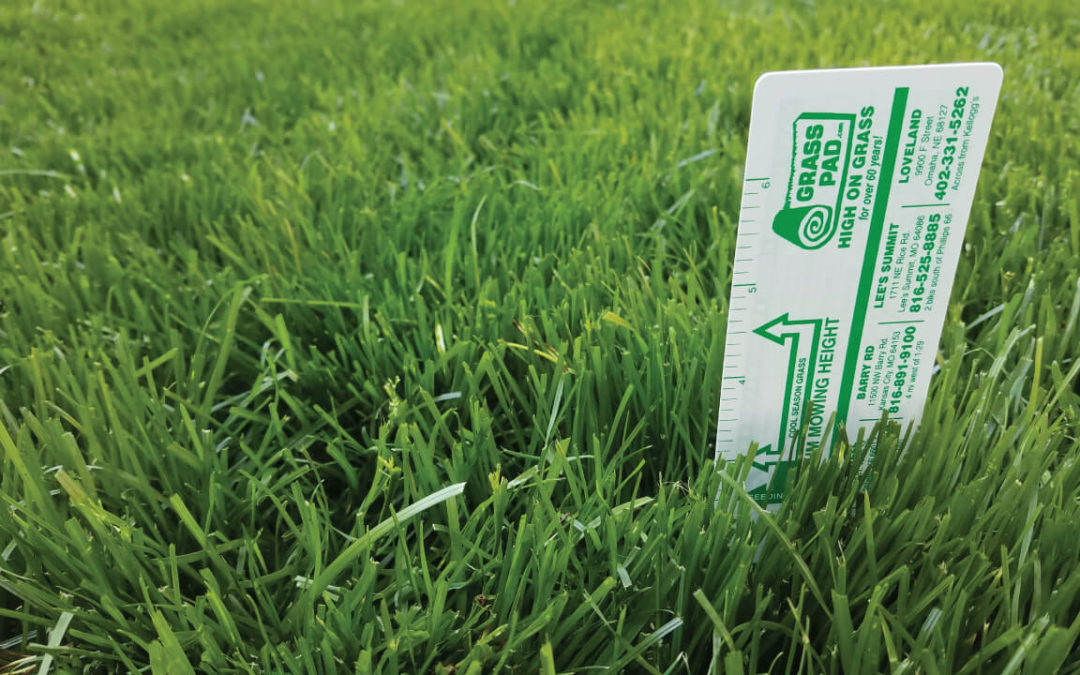
Image Source: grasspad.com
Fathoming Your Grass’s Growth Cycle in Summer
Grass, like most plants, has growth cycles influenced by environmental factors. In summer, with ample sunlight and often warm soil temperatures, most common lawn grasses enter a period of vigorous growth. This heightened turf growth rate summer is the primary driver behind needing to adjust your mowing schedule.
Factors Influencing Summer Growth
Several key elements dictate how quickly your grass grows:
- Grass Type: Different grass species have varying growth rates. Cool-season grasses (like Kentucky Bluegrass, Fescues, and Ryegrass) might slow down a bit in extreme heat, while warm-season grasses (like Bermuda, Zoysia, and Centipede grass) often thrive and grow rapidly during the summer months.
- Temperature: Optimal temperatures for cool-season grasses are typically between 60-75°F (15-24°C), while warm-season grasses prefer temperatures between 80-95°F (27-35°C). Summer’s heat can push cool-season grasses towards dormancy, while it fuels the growth of warm-season varieties.
- Water Availability: Consistent moisture is crucial for growth. If your lawn receives adequate rainfall or you irrigate regularly, growth will be more rapid. Conversely, drought conditions will significantly slow down growth, even for hardy grasses.
- Fertilization: A well-fertilized lawn will naturally grow faster and more vigorously than one that is lacking nutrients.
- Sunlight: More sunlight generally means more photosynthesis, leading to increased growth.
Determining Your Ideal Lawn Mowing Frequency Summer
The golden rule of mowing is never to remove more than one-third of the grass blade at a time. This is crucial for summer lawn health mowing, as it prevents stressing the grass, which can lead to browning and weaken its ability to cope with heat and drought.
The One-Third Rule in Action
Let’s say your desired mowing height is 3 inches. If your grass grows to 4 inches, you should cut off that 1 inch. If it grows to 4.5 inches, you would still only cut off 1.5 inches to stay within the one-third limit. If your grass reaches 5 inches or more, you’d be approaching the point where you might need to adjust your mowing schedule or consider mowing more frequently.
Calculating Your Mowing Intervals
To determine how often to mow grass summer, you can use this rule:
- Identify your desired mowing height.
- Observe how quickly your grass grows to exceed that height by more than one-third.
For example, if your target height is 3 inches, and your grass reaches 4 inches in 5 days, then your ideal mowing frequency is every 5 days. If it takes 7 days to reach 4 inches, you mow every 7 days.
Typical Summer Mowing Frequencies:
- Cool-Season Grasses: During peak summer growth (when temperatures are moderate for them), you might find yourself mowing every 5-7 days. If temperatures become very high, you might stretch this to 7-10 days, especially if watering is limited.
- Warm-Season Grasses: These grasses often grow very rapidly in summer heat and humidity. You could be looking at mowing every 3-5 days to keep them at an optimal height and follow the one-third rule.
Crafting Your Summer Lawn Care Schedule
A well-planned summer lawn care schedule goes beyond just mowing. It involves a holistic approach to keeping your lawn healthy and resilient.
Key Components of a Summer Lawn Care Schedule:
- Mowing: As discussed, frequency and height are critical.
- Watering: Proper watering is essential to combat heat and drought stress.
- Fertilizing: Timing and type of fertilizer matter.
- Weed Control: Summer weeds can be persistent.
- Aeration and Dethatching: These are usually best done in spring or fall but can be beneficial if your lawn is severely compacted.
Mowing Practices for Summer Lawn Health Mowing
- Mow High: Aim for the higher end of the recommended mowing height for your grass type. This shades the soil, keeping it cooler and reducing moisture evaporation. It also encourages deeper root growth, making the lawn more drought-tolerant. What is the optimal mowing height summer? For most cool-season grasses, this is around 2.5-3.5 inches. For warm-season grasses, it can range from 1-2.5 inches, depending on the specific type.
- Keep Mower Blades Sharp: Dull blades tear grass, creating ragged edges that are more susceptible to disease and dehydration. Sharpen your blades regularly.
- Mulch Clippings: Leave the grass clippings on the lawn (unless they are excessively long). They act as a natural fertilizer, returning valuable nutrients to the soil.
- Vary Mowing Pattern: Changing your mowing direction each time helps prevent the grass from developing a grain and reduces soil compaction.
Seasonal Lawn Mowing: Adapting to Summer Conditions
Seasonal lawn mowing requires flexibility. Summer’s conditions can change rapidly, so your lawn maintenance summer routine should be adaptable.
Adapting to Heat and Drought
When temperatures soar, and rainfall is scarce, your lawn will likely slow its growth. This is the time to:
- Increase Mowing Height: Even further if necessary, to protect the crown of the grass.
- Reduce Mowing Frequency: Allow the grass to grow slightly taller before mowing, adhering to the one-third rule.
- Water Deeply and Infrequently: This encourages deep root growth. Watering early in the morning is best to minimize evaporation and prevent fungal diseases.
- Avoid Mowing During Peak Heat: If possible, mow during cooler parts of the day, like early morning or late evening.
Responding to Abundant Moisture and Cooler Spells
If your summer includes periods of heavy rain or unseasonably cool weather, your grass might experience a growth spurt. In these instances:
- Increase Mowing Frequency: Stick to your calculated grass cutting intervals summer or even mow a day or two earlier if growth is exceptionally fast.
- Maintain Mowing Height: Continue to adhere to the one-third rule.
- Ensure Good Drainage: Address any areas where water pools, as this can lead to root rot.
Understanding Grass Cutting Intervals Summer
The grass cutting intervals summer are dynamic. They are not fixed dates but rather a response to your lawn’s observable growth.
Factors Affecting Intervals:
- Irrigation: Lawns that are regularly watered will require mowing more often.
- Fertilization: A recent feeding will likely spur faster growth.
- Soil Type: Sandy soils drain faster and might support slightly slower growth than clay soils.
- Shade: Areas with less direct sun might grow slower.
When to Adjust Your Intervals:
- Noticeable Growth: If your grass is visibly taller than your desired height and has grown more than one-third since the last mow.
- Grass Tips Browning: This can indicate it’s too dry and needs water, or that you’re cutting too short.
- Appearance of Dormancy: Yellowish or brownish patches might signal stress, which means you should avoid mowing unless absolutely necessary, and then only at the highest setting.
Best Time to Cut Grass Summer
The best time to cut grass summer is not just about when to mow but also the conditions under which you mow.
Timing on a Daily Basis:
- Early Morning: This is often considered the ideal time. The grass has had a chance to dry from dew, and the heat of the day hasn’t peaked. Mowing in the morning allows the grass blades to heal and seal their cuts before the stress of the afternoon sun.
- Late Afternoon/Early Evening: If early morning isn’t feasible, late afternoon or early evening is the next best option. Avoid mowing during the hottest part of the day (midday) as this can further stress the grass.
Why These Times Are Best:
- Reduces Stress: Grass is less stressed when temperatures are cooler.
- Prevents Disease: Mowing dry grass reduces the spread of fungal diseases. Wet grass blades can clump and create a favorable environment for disease.
- Aesthetics: Mowing when the grass is dry prevents it from looking matted or clumpy.
Summer Lawn Health Mowing: Beyond the Cut
Effective summer lawn health mowing involves more than just running the mower. It’s about creating an environment where your lawn can flourish.
Watering Strategies:
- Deep and Infrequent: Aim for about 1 to 1.5 inches of water per week, applied in one or two deep watering sessions. This encourages roots to grow deeper, making the lawn more resilient to drought.
- Water in the Morning: As mentioned, this minimizes evaporation and reduces disease risk.
- Check Soil Moisture: Before watering, stick a screwdriver or soil probe into the ground. If it goes in easily to a depth of 4-6 inches, the soil is likely moist enough.
Fertilization Timing:
- Avoid Over-Fertilizing: Too much nitrogen in the summer can force rapid, weak growth that is more susceptible to heat and disease.
- Slow-Release Fertilizers: These are ideal for summer as they provide nutrients gradually.
- Timing: If you fertilize, do so in late spring or early summer, and then again in late summer or early fall. Avoid fertilizing during periods of extreme heat or drought, as this can burn the lawn.
Weed Management:
- Healthy Turf is the Best Defense: A thick, healthy lawn crowds out weeds.
- Spot Treat: If weeds appear, spot treat them with an appropriate herbicide rather than broad-casting treatments.
- Hand-Pulling: For smaller infestations, hand-pulling weeds (when the soil is moist) can be effective.
Common Questions About Summer Lawn Mowing
Here are answers to some frequently asked questions about how often to cut your lawn in the summer:
Q: Can I mow my lawn if it’s slightly damp?
A: It’s best to avoid mowing when the grass is wet. Wet grass can clump, clog your mower, and spread disease. Wait for it to dry.
Q: My lawn looks brown. Should I keep mowing it?
A: If your lawn is brown due to drought and heat stress, it might be entering dormancy. Stop mowing if possible, or raise your mower to its highest setting and mow only if absolutely necessary. Resume normal mowing when the grass shows signs of recovery and receives adequate moisture.
Q: How do I deal with excessive grass clippings?
A: If you mow too much at once, leaving clumps, consider using a mulching mower or raking the clippings after mowing to prevent them from smothering the grass. Adjusting your mowing frequency is the best way to avoid this problem.
Q: Is it okay to mow my lawn in the evening?
A: Yes, mowing in the late afternoon or early evening is acceptable, especially if morning is not possible. Just ensure the grass is dry enough to avoid clumping and disease.
Q: How do I know if my grass type is cool-season or warm-season?
A: Cool-season grasses are typically greener and grow most actively in the spring and fall. They may go dormant (turn brown) in the peak of summer heat. Warm-season grasses turn green later in spring and thrive in the heat, often turning brown in the fall as temperatures drop. If you’re unsure, consult your local extension office or a lawn care professional.
Summary of Summer Lawn Mowing Frequency
To recap, the lawn mowing frequency summer is highly variable but generally requires more attention than other seasons. Prioritize the one-third rule, mow at the optimal height for your grass type, and choose the best time of day to minimize stress.
Key Takeaways for Your Summer Lawn Care Schedule:
- Observe and Adapt: Your lawn is a living entity; observe its growth rate and adjust mowing accordingly.
- Prioritize Health: Follow the one-third rule to prevent stressing your turf.
- Mow High: This is a crucial strategy for summer lawn health.
- Timing Matters: Mow when grass is dry and during cooler parts of the day.
- Water Wisely: Deep, infrequent watering is key to drought resilience.
- Sharp Blades: Essential for clean cuts and preventing disease.
- Mulch Clippings: For natural fertilization and moisture retention.
By following these guidelines, you can maintain a beautiful, healthy lawn throughout the summer months, ensuring it withstands the heat and looks its best. Remember that consistent, observant care is the cornerstone of successful seasonal lawn mowing.