
The cost of a yard of sand can vary significantly, typically ranging from $20 to $70 per cubic yard for the material itself, but the final price you pay will depend on factors like the type of sand, where you buy it, and if you need delivery.
Sand is an essential material for a wide range of projects, from building sturdy patios and driveways to creating safe and fun play areas for children. But before you start digging into your next DIY endeavor, it’s crucial to get a handle on the sand price per cubic yard. This guide will help you decipher the costs involved and make informed decisions for your project.
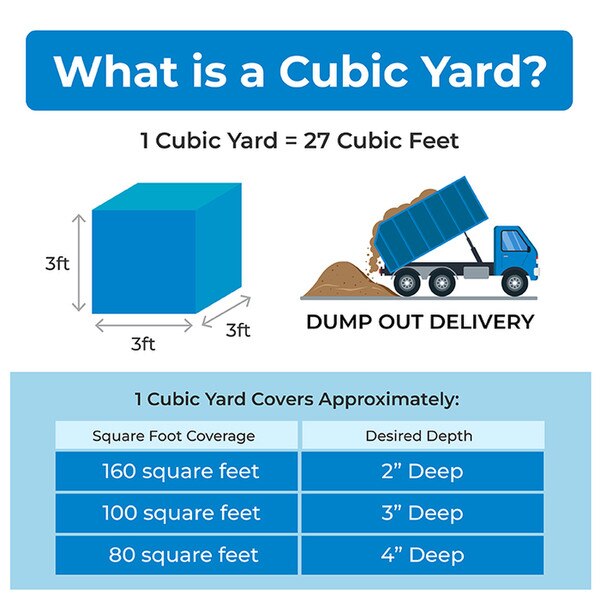
Image Source: www.cumminlandscapesupply.com
Deciphering the Cost of a Yard of Sand
When you’re planning a project that requires sand, knowing the cost of a yard of sand is a vital first step. This isn’t a simple one-size-fits-all answer, as several factors influence the final price. Let’s break down what goes into that price tag.
Key Factors Affecting Sand Prices
- Type of Sand: Different sands serve different purposes, and their composition and processing affect their cost.
- Quantity: Buying in bulk often leads to lower per-unit prices.
- Location: Prices can vary based on regional supply and demand, as well as transportation costs.
- Supplier: Where you buy your sand can impact the price.
- Delivery: If you need the sand brought to your home or job site, there will be an additional delivery fee.
Exploring Different Types of Sand and Their Costs
The variety of sand available might surprise you. Each type has unique properties that make it suitable for specific applications, and these differences are reflected in their price.
Common Sand Types and Their Pricing
Here’s a look at some popular sand types and what you might expect to pay for a cubic yard:
| Sand Type | Typical Uses | Estimated Price per Cubic Yard |
|---|---|---|
| Play Sand | Sandboxes, children’s play areas | $40 – $70 |
| Landscaping Sand | Top dressing lawns, filling gaps, decorative uses | $25 – $50 |
| Concrete Sand | Mixing concrete, mortar, paver base | $20 – $40 |
| Mason Sand | Mortar, stucco, bricklaying | $25 – $45 |
| All-Purpose Sand | General landscaping, gardening, some construction | $25 – $50 |
Note: These are estimates and can vary greatly by region and supplier.
Play Sand Price: Fun and Safety First
For a backyard sandbox or a children’s play area, play sand price is a primary concern. This type of sand is specifically processed to be clean, fine, and free from sharp particles or contaminants that could harm children. Because of this extra processing and quality control, play sand tends to be at the higher end of the price spectrum. You might find prices for play sand in the range of $40 to $70 per cubic yard, sometimes even more if it’s a premium, washed, and screened product.
Landscaping Sand Cost: Beautifying Your Outdoors
Landscaping sand cost is often more budget-friendly. This sand is ideal for improving soil drainage, creating decorative borders, or as a top dressing for lawns. It can also be used as a base for pavers or patio stones. Prices for landscaping sand typically fall between $25 and $50 per cubic yard. The exact cost will depend on its grain size and whether it’s been washed or screened.
Concrete Sand Cost: Building the Foundation
When you need sand for mixing concrete, mortar, or as a base for patios and walkways, you’ll be looking at concrete sand cost. This type of sand is generally coarser than play sand and is crucial for the strength and durability of concrete mixes. Its widespread use in construction makes it one of the more affordable options, often priced between $20 and $40 per cubic yard.
Mason Sand vs. Concrete Sand: A Subtle Difference
While both are used in construction, gravel vs sand cost isn’t the only comparison to make. Mason sand and concrete sand have different characteristics:
- Mason Sand: Finer grains, used for mortar and stucco. It helps create a smooth finish.
- Concrete Sand: Coarser grains, essential for the structural integrity of concrete.
Mason sand can sometimes be slightly more expensive than concrete sand due to its finer texture and specific applications in masonry.
Buying Sand: Where to Find What You Need
Knowing where to buy sand is as important as knowing its price. Different suppliers offer different products and services.
Top Places to Buy Sand
- Local Garden Centers and Landscaping Supply Stores: These are excellent sources for landscaping sand, play sand, and decorative sands. They often offer delivery services.
- Building Material Suppliers and Construction Yards: For concrete sand, mason sand, and larger quantities, these are your go-to. They typically deal in bulk.
- Big Box Home Improvement Stores: While convenient for smaller projects, their selection might be limited, and prices can sometimes be higher for bulk quantities compared to specialized suppliers.
- Online Retailers: Some online platforms offer sand, but be sure to factor in shipping costs, which can be substantial.
Bulk Sand Prices: Economies of Scale
If your project requires a significant amount of sand, looking into bulk sand prices is a smart move. Suppliers often offer discounts for larger quantities, meaning the more you buy, the less you pay per cubic yard. For example, buying 5 cubic yards might be cheaper per yard than buying just 1 cubic yard. Always ask about volume discounts when making a large purchase.
Estimating Your Sand Needs: Avoiding Over or Under-Buying
Accurate estimation is key to estimating sand cost effectively. You don’t want to run out of sand mid-project, nor do you want to have a massive pile left over.
How to Calculate Cubic Yards of Sand
To figure out how much sand you need, you’ll need to calculate the volume of your project area in cubic feet and then convert it to cubic yards.
Formula for Volume:
Volume (cubic feet) = Length (ft) × Width (ft) × Depth (ft)
Conversion to Cubic Yards:
1 cubic yard = 27 cubic feet
So, after calculating your volume in cubic feet, divide by 27 to get the number of cubic yards needed.
Example:
Let’s say you’re filling a sandbox that is 8 feet long, 4 feet wide, and 1 foot deep.
Volume = 8 ft × 4 ft × 1 ft = 32 cubic feet
Cubic Yards = 32 cubic feet / 27 cubic feet/cubic yard ≈ 1.18 cubic yards
It’s always a good idea to round up to the nearest half or full yard to account for settling and any slight errors in measurement. For this sandbox, ordering 1.5 cubic yards would be a safe bet.
The Importance of Depth
When calculating, don’t forget the depth! A shallow layer of sand for a decorative border will require far less material than a deep sandbox. Always measure the intended depth of your sand layer.
The Added Cost: Sand Delivery
Unless you have a truck capable of hauling several cubic yards of sand (which is very heavy!), you’ll likely need to arrange for delivery.
Factors Influencing Sand Delivery Cost
The sand delivery cost is an important part of your overall budget. Several things can influence how much you’ll pay for delivery:
- Distance: The further the delivery location is from the supplier, the higher the cost.
- Volume: Some suppliers might charge a flat delivery fee, while others might base it on the volume of material being delivered.
- Access: If your delivery site is difficult to access (e.g., narrow gates, steep driveways), the delivery fee might increase.
- Time: Rush deliveries or deliveries outside normal business hours can also incur extra charges.
Typical Delivery Fees
Delivery fees can range from $50 to $200 or more, depending on the factors mentioned above. It’s essential to get a quote from your supplier that includes both the material cost and the delivery fee to get an accurate total.
Comparing Sand vs. Gravel Costs
Often, projects can utilize either sand or gravel. Knowing the difference in cost can help you make the best choice for your project and budget. Generally, gravel vs sand cost shows that sand can sometimes be more expensive than gravel on a per-cubic-yard basis, especially for specialized types like play sand. However, the overall cost depends on the specific type of sand and gravel you’re comparing. Coarser gravels used for driveways or drainage might be cheaper than fine-textured play sand, but they might not be suitable for all applications.
For example, concrete sand is typically cheaper than decorative gravels or larger landscaping stones. If you’re building a paver patio, a layer of concrete sand is often used as a base, and its affordability makes it an attractive option.
Tips for Getting the Best Sand Prices
To ensure you’re getting the most bang for your buck, follow these tips:
- Shop Around: Get quotes from multiple suppliers before making a decision.
- Buy in Bulk: If you need a substantial amount, inquire about bulk discounts.
- Consider the Type: Choose the most cost-effective sand that still meets your project’s needs. Concrete sand is usually the cheapest option for general-purpose fill or base material.
- Factor in Delivery: Compare the total cost, including delivery, from different suppliers. Sometimes a slightly higher material cost with a lower delivery fee can be more economical.
- Check for Sales: Keep an eye out for seasonal sales or promotions from your local suppliers.
- DIY Delivery (If Possible): If you have access to a suitable truck and trailer, picking up the sand yourself can save you the delivery fee. However, remember that a cubic yard of sand is incredibly heavy (around 2,000-3,000 lbs), so ensure your vehicle can handle the load.
Frequently Asked Questions About Sand Pricing
Q1: What is a cubic yard of sand?
A cubic yard is a unit of volume. It’s equivalent to a cube that is 3 feet long, 3 feet wide, and 3 feet high. A yard of sand contains approximately 2,000 to 3,000 pounds, depending on moisture content and grain size.
Q2: Can I get a discount if I buy a lot of sand?
Yes, most suppliers offer discounts for bulk purchases. The more cubic yards you buy, the lower the price per cubic yard tends to be. It’s always worth asking about volume discounts.
Q3: Is play sand more expensive than concrete sand?
Generally, yes. Play sand is processed to be exceptionally clean and fine, free from sharp edges or contaminants, making it safer for children. This extra processing and quality control usually result in a higher play sand price compared to the more rugged concrete sand cost.
Q4: How much does it cost to deliver a yard of sand?
Sand delivery cost can vary widely, typically ranging from $50 to $200 or more. The price depends on the distance from the supplier, the quantity being delivered, and site accessibility. Always get a delivery quote as part of your total project cost.
Q5: Where can I buy sand for my landscaping project?
You can purchase landscaping sand cost-effectively from local garden centers, landscaping supply yards, or building material suppliers. Some big box home improvement stores also carry it, though selection might be more limited.
By carefully considering these factors, you can accurately estimate your sand needs and budget, ensuring your project runs smoothly from start to finish.