
Can you stop your yard from flooding? Yes, you absolutely can! Taking proactive steps is key to keeping your yard dry and healthy. Flooding in your yard can be a real nuisance, causing damage to your lawn, gardens, and even your home’s foundation. This comprehensive guide will walk you through effective strategies to prevent and manage yard flooding.
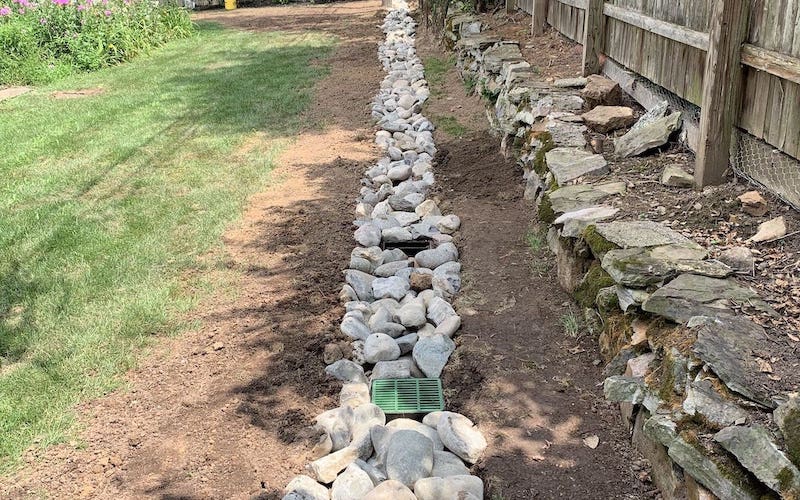
Image Source: hydroscapespa.com
Why Yard Drainage Matters
Proper yard drainage is crucial for several reasons. It helps maintain the health of your plants by preventing root rot caused by waterlogged soil. It also protects your home’s foundation from water damage, which can lead to costly repairs. Furthermore, a well-drained yard is more enjoyable and usable, free from muddy patches and standing water. Poor drainage can also create breeding grounds for mosquitoes and other pests.
Signs of Poor Yard Drainage
Before diving into solutions, it’s important to recognize the signs of a yard with drainage issues:
- Standing Water: Water that remains in one spot for more than a few hours after rain.
- Soggy Soil: Soil that feels constantly wet and may be difficult to walk on.
- Eroded Areas: Patches where soil has washed away, often revealing roots or creating gullies.
- Unhealthy Plants: Plants that appear wilted, yellowed, or have stunted growth, even with adequate watering.
- Moss and Algae Growth: These thrive in consistently damp conditions.
- Foundation Issues: Cracks in your foundation, damp basement walls, or musty odors.
Key Strategies for Yard Drainage Solutions
Preventing flooding involves a multi-pronged approach, addressing how water enters, moves across, and exits your property.
1. Lawn Grading: The Foundation of Drainage
Lawn grading is the process of shaping the land to direct water away from your home and other structures. A properly graded yard ensures that water flows downhill, naturally moving away from problem areas. The general rule is to create a gentle slope of at least 1 inch of drop for every 4 feet of horizontal distance, extending at least 10 feet away from your foundation.
How to Check Your Lawn Grade:
- String and Level: Tie a string between two stakes. Place a spirit level on the string. If the string slopes, you have a grade. Measure the drop over a set distance.
- Garden Hose: Run a garden hose across a section of your yard and observe where the water flows.
- Professional Assessment: For significant issues or complex landscapes, consider hiring a landscape architect or drainage specialist.
Adjusting Lawn Grade:
- Adding Soil: For areas that slope towards your house, you can add soil to build up the grade, creating a positive slope away from the foundation.
- Trenching: In some cases, shallow trenches can be dug to create a new, lower drainage path.
- Consult Professionals: Major grading changes can impact your property lines and neighbors, so professional consultation is often advised.
2. French Drain Installation: Subsurface Water Management
A French drain installation is a highly effective method for managing subsurface water. It’s essentially a trench filled with gravel and a perforated pipe, designed to collect and redirect groundwater or surface water away from saturated areas.
Components of a French Drain:
- Trench: Dig a trench with a gentle slope (about 1% grade, or 1 inch drop per 8-10 feet).
- Gravel: A layer of coarse gravel at the bottom of the trench.
- Perforated Pipe: A flexible or rigid pipe with holes that allows water to enter.
- Filter Fabric: A permeable fabric (like landscape fabric) that wraps the gravel and pipe to prevent soil and silt from clogging the system.
- Backfill: More gravel and then soil on top.
When to Use a French Drain:
- Waterlogged areas of the yard.
- Near foundations where water infiltration is a concern.
- Along retaining walls to relieve hydrostatic pressure.
- In areas with a high water table.
3. Sump Pump for Yard: Active Water Removal
While less common for general yard flooding compared to foundations, a sump pump for yard use can be a powerful solution for areas with consistently high groundwater or where gravity drainage is impossible. These systems involve a pit (sump basin) dug into the ground, where water collects. When the water reaches a certain level, the sump pump activates, pumping the water away to a designated discharge point, such as a storm drain or a lower section of your property.
Considerations for Yard Sump Pumps:
- Power Source: Sump pumps require electricity, so consider battery backup options in case of power outages.
- Discharge Location: Ensure the water is pumped to a location where it won’t cause problems for you or your neighbors.
- Maintenance: Regular checks are needed to ensure the pump is functioning correctly.
4. Rain Garden Design: Natural Water Absorption
A rain garden design is an environmentally friendly approach that utilizes native plants and natural depressions in the landscape to capture, absorb, and filter stormwater runoff. These shallow, vegetated basins are strategically placed to collect water from roofs, driveways, and lawns.
Benefits of Rain Gardens:
- Reduces Runoff: Slows down water, allowing it to soak into the ground.
- Filters Pollutants: Plants and soil help remove contaminants from the water.
- Supports Wildlife: Provides habitat for birds, butterflies, and beneficial insects.
- Aesthetically Pleasing: Can be a beautiful and functional addition to your landscape.
Key Elements of Rain Garden Design:
- Location: Choose a spot where water naturally collects or can be easily directed. Avoid areas directly adjacent to your foundation.
- Size and Depth: Varies based on the amount of runoff, but generally 6-12 inches deep with gently sloping sides.
- Soil Mix: A sandy loam mix promotes good drainage and plant growth.
- Plant Selection: Use native, water-tolerant plants that can handle both wet and dry periods.
5. Permeable Paving: Letting Water Through
Permeable paving is a fantastic solution for driveways, patios, and walkways that replaces traditional impervious surfaces like concrete or asphalt. These materials allow water to pass through them into the ground below, significantly reducing surface runoff.
Types of Permeable Paving:
- Permeable Pavers: Specially designed pavers with gaps between them, filled with gravel or sand.
- Pervious Concrete: Concrete with intentionally created voids that allow water to infiltrate.
- Porous Asphalt: Asphalt with a more open-graded mix, allowing water to pass through.
- Gravel: A simple and effective option, though it requires regular maintenance.
- Grass Pavers: Grid systems that can be filled with gravel or soil and planted with grass, offering a green, permeable surface.
Advantages of Permeable Paving:
- Reduces storm water runoff volume.
- Recharges groundwater.
- Filters pollutants.
- Reduces the need for extensive drainage systems.
- Can help prevent ice formation in winter by allowing water to drain away.
6. Downspout Redirection: Controlling Roof Water
A significant portion of the water that falls on your roof is channeled through your gutters and downspouts. Downspout redirection is a simple yet vital step in preventing yard flooding. Ensure your downspouts extend at least 5-10 feet away from your home’s foundation, preferably onto a sloped surface that directs water further away.
Methods for Downspout Redirection:
- Downspout Extensions: Flexible or rigid plastic or metal pipes that attach to the end of your downspout.
- Drainage Pipes: Burying a perforated pipe connected to the downspout to carry water to a specific discharge point.
- Splash Blocks: Concrete or plastic blocks placed under downspouts to help disperse water, though they are less effective for heavy rainfall.
- Rain Barrels: Collecting rainwater from downspouts for later use in watering your garden.
7. Landscaping for Water Runoff: Working with Nature
Strategic landscaping for water runoff can significantly improve your yard’s drainage. This involves choosing plants and designing your landscape with water flow in mind.
Landscaping Techniques:
- Swales: Gently sloping, vegetated channels that collect and direct surface water. They are often planted with grass or groundcover.
- Berms: Raised mounds of earth that can divert water flow away from specific areas.
- Planting in Depressions: Creating small depressions where water can collect and be absorbed by plants.
- Selecting Drought-Tolerant Plants: While this doesn’t directly solve drainage, it ensures plants can survive periods of both heavy rain and dry spells.
- Mulching: A layer of mulch helps retain soil moisture and reduces surface erosion.
8. Subsurface Drainage: Managing Deep Water Issues
Beyond French drains, more extensive subsurface drainage systems might be necessary for severe water problems or agricultural applications. These can include:
- Tile Drainage: A network of perforated pipes installed deep beneath the soil surface to lower the water table.
- Dry Wells: Underground pits filled with gravel or stone where water can collect and slowly seep into the surrounding soil. They are often used at the end of drainage pipes or downspouts.
Gutter Maintenance: The First Line of Defense
Regular gutter maintenance is crucial for effective water management. Clogged gutters can overflow, directing water directly against your foundation, causing significant damage.
Gutter Maintenance Checklist:
- Clean Gutters Regularly: Remove leaves, twigs, and debris at least twice a year, or more often if you have many trees.
- Check for Leaks and Damage: Inspect gutters and downspouts for holes, cracks, or sagging sections.
- Ensure Proper Slope: Gutters should have a slight slope towards the downspouts to ensure water flows freely.
- Secure Downspouts: Make sure downspouts are firmly attached and that any extensions are in place and directing water away.
Table: Drainage Solution Comparison
| Solution | Best For | Installation Effort | Cost | Maintenance | Effectiveness |
|---|---|---|---|---|---|
| Lawn Grading | Gentle slopes, directing surface water | Moderate | Low-Moderate | Low | High |
| French Drain | Saturated soil, subsurface water | Moderate-High | Moderate | Low | Very High |
| Sump Pump for Yard | Extremely wet areas, low-lying spots | High | Moderate-High | Moderate | Very High |
| Rain Garden | Stormwater runoff, eco-friendly solution | Moderate | Low-Moderate | Low | High |
| Permeable Paving | Driveways, patios, reducing runoff | High | High | Low-Moderate | High |
| Downspout Redirection | Controlling roof water, foundation protection | Low | Low | Low | High |
| Landscaping | Natural water management, erosion control | Moderate | Varies | Low | Moderate-High |
| Subsurface Drainage | High water table, extensive waterlogged areas | Very High | High | Low | Very High |
Putting It All Together: A Holistic Approach
Addressing yard flooding is rarely about a single solution. It’s about implementing a combination of strategies tailored to your specific property and the causes of your drainage problems.
Step-by-Step Action Plan:
- Assess the Problem: Identify where water accumulates and why. Observe during and after rainfall.
- Prioritize Foundation Protection: Ensure water is always directed away from your home’s foundation.
- Start with Simple Solutions: Begin with gutter cleaning and downspout redirection.
- Evaluate Lawn Grading: Make necessary adjustments to ensure a positive slope.
- Consider French Drains or Rain Gardens: For persistent soggy areas.
- Explore Permeable Paving: For hardscape areas contributing to runoff.
- Consult Professionals: For complex or severe drainage issues.
Frequently Asked Questions (FAQ)
Q1: How much slope is needed for proper yard drainage?
A1: A general rule of thumb is a slope of at least 1 inch for every 4 feet of horizontal distance. This should extend at least 10 feet away from your home’s foundation.
Q2: Can I install a French drain myself?
A2: Yes, if you are comfortable with basic digging and have the right tools, a DIY French drain installation is possible. However, for complex slopes or large areas, professional help is recommended.
Q3: How deep should a rain garden be?
A3: Rain gardens are typically 6 to 12 inches deep, with gently sloping sides. The depth depends on the size of the area it needs to drain.
Q4: What plants are best for a rain garden?
A4: Native plants that can tolerate both wet and dry conditions are ideal. Examples include coneflowers, sedges, ornamental grasses, and iris.
Q5: Will permeable paving solve all my yard flooding issues?
A5: Permeable paving significantly reduces surface runoff but may not solve problems related to a high water table or poor soil drainage. It’s often part of a larger drainage strategy.
Q6: How often should I clean my gutters?
A6: It’s recommended to clean gutters at least twice a year, typically in late spring after trees have leafed out and in late fall after leaves have fallen. If you have many trees nearby, you may need to clean them more frequently.
By implementing these strategies, you can effectively prevent flooding in your yard, protect your property, and create a healthier, more enjoyable outdoor space. Remember, a little effort in managing your yard’s drainage can save you a lot of trouble and expense down the line.